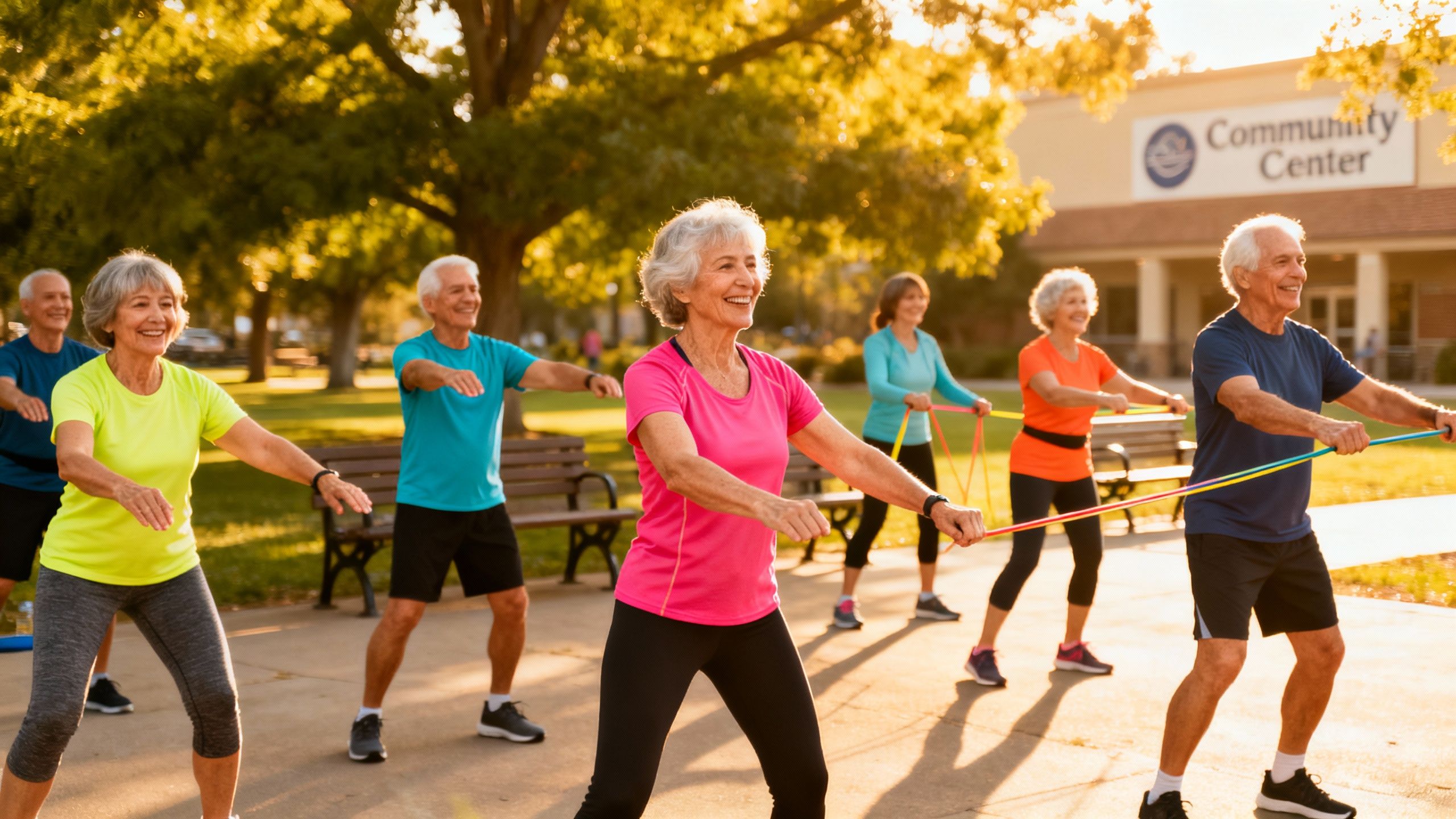

Aging is an inevitable aspect of human life, but the way we age is profoundly influenced by daily choices and environmental exposures. Today, our understanding of how lifestyle impacts aging and degenerative disease has matured, integrating insights from nutrition, physical activity, stress management, and innovative compounds like nutritional peptides and Omega-3s. This article explores the intricate connections between lifestyle and the biology of aging, offering actionable strategies grounded in human research to promote resilient, healthy aging.
The Interplay Between Lifestyle and Aging
Aging is a multifaceted process governed by genetic, environmental, and lifestyle factors. While genetics establish a baseline, lifestyle can accelerate or slow biological aging. Lifestyle aging emphasizes the way daily habits—what we eat, how much we move, how well we sleep—shape cellular health, organ function, and disease risk over time.
How Lifestyle Modifies the Aging Process
- Nutrition: Diets rich in whole foods, antioxidants, and healthy fats are linked to cellular protection and reduced inflammatory markers.
- Exercise: Regular activity maintains muscle mass, cardiovascular health, and cognitive resilience.
- Sleep: Adequate, restorative sleep is crucial for cellular repair and cognitive clarity.
- Stress Management: Chronic stress accelerates aging markers via hormonal and immune system disruptions.
- Avoidance of Harmful Behaviors: Smoking, excessive alcohol, and a sedentary lifestyle increase degenerative risk.

Mechanisms: How Lifestyle Influences Cellular Aging
Inflammation and Oxidative Stress
Persistent inflammation and oxidative stress accelerate aging and increase degenerative disease risk. Healthy lifestyle choices—such as a diet high in vegetables, regular exercise, and avoiding toxins—help suppress chronic inflammation and enhance antioxidant defenses.
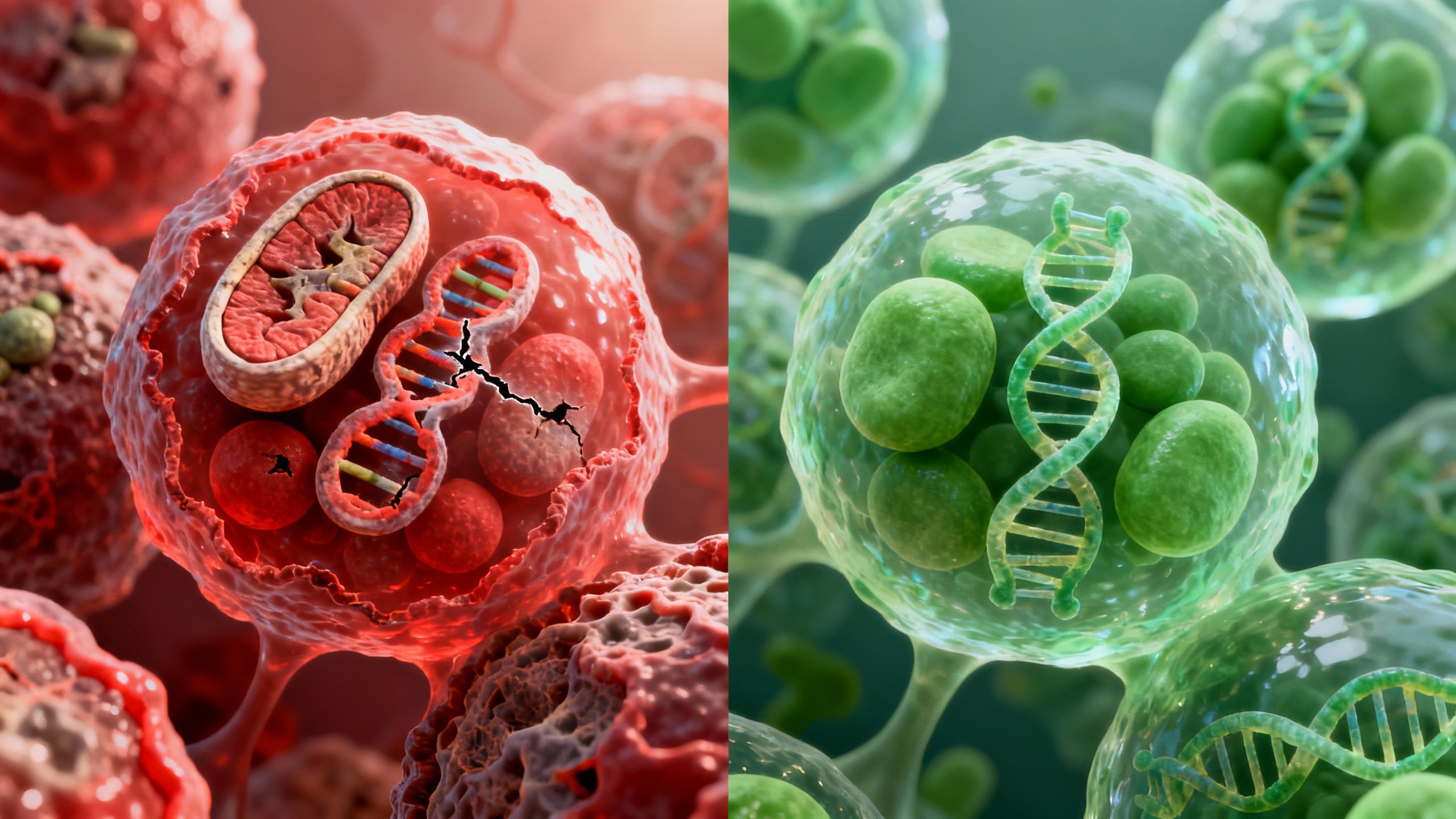
Cellular Senescence and DNA Damage
Cells accumulate damage over time. Physical activity and certain dietary compounds (like polyphenols and peptides for longevity) support DNA repair mechanisms, reducing cellular senescence.
Hormonal Balance
Lifestyle factors, especially sleep and stress management, maintain key hormones involved in cellular growth, metabolism, and repair (e.g., growth hormone, melatonin, insulin sensitivity).
Nutrition: Building Blocks for Healthy Aging
Key Dietary Patterns
Research consistently links Mediterranean, DASH, and plant-rich diets with improved outcomes in healthy lifestyle aging. These patterns emphasize:
- Unprocessed plant foods (vegetables, fruits, legumes)
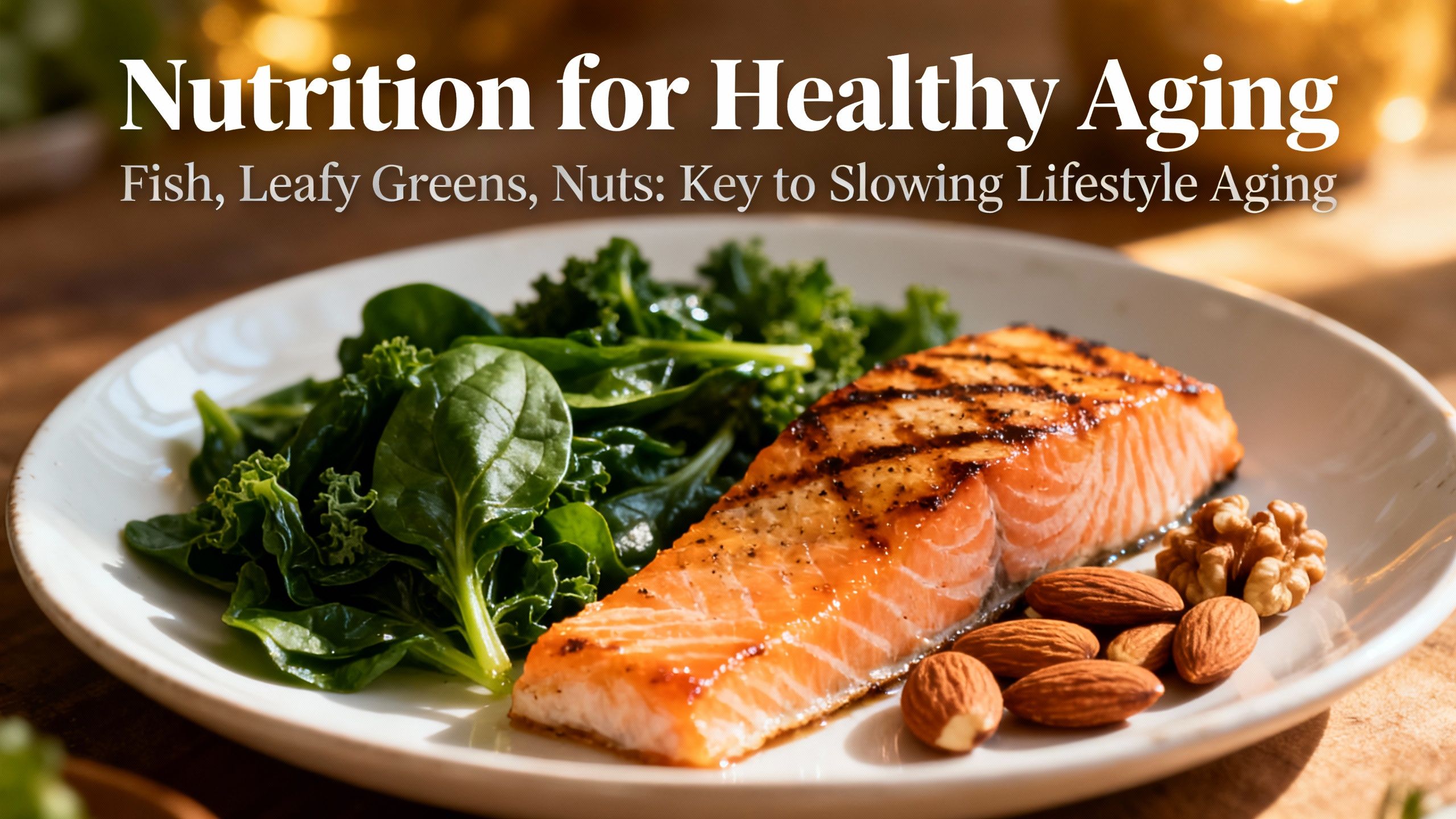
- Healthy fats (olive oil, Omega-3-rich fish)
- Moderate consumption of dairy and lean meats
- Limited refined sugars and processed foods
Nutritional Peptides and Aging
Recent human studies support the benefits of specific peptides for longevity:
- Bioactive peptides derived from soy, dairy, and marine sources may improve blood pressure, cholesterol, and inflammatory status.
- Collagen peptides support joint and skin health.
Omega-3 Fatty Acids
- Omega-3s from fatty fish and algae are strongly linked to a lower risk of cognitive decline and cardiovascular disease.
Sample Daily Food Choices for Longevity
| Food Group | Examples | Longevity Benefit |
|---|---|---|
| Vegetables | Spinach, Broccoli | Antioxidant, Anti-aging |
| Fruits | Berries, Oranges | Polyphenols, Vitamin C |
| Healthy Proteins | Salmon, Tofu | Omega-3, Peptides |
| Whole Grains | Quinoa, Oats | Fiber, B-vitamins |
| Healthy Fats | Olive oil, Walnuts | Anti-inflammatory |
Physical Activity: The Body’s Defense
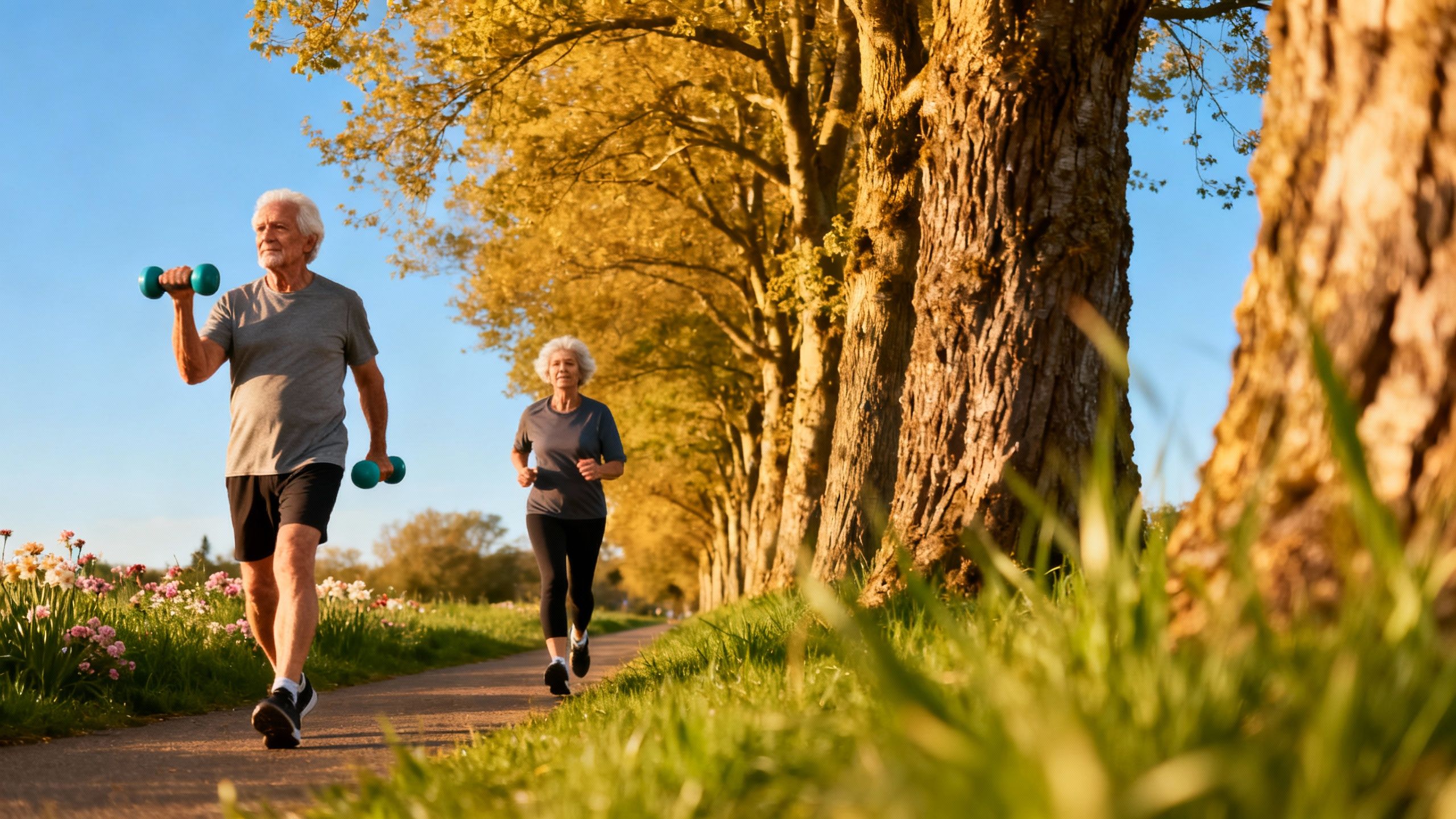
Regular exercise is a cornerstone of healthy lifestyle aging. Human studies link both aerobic and resistance training to improvements in:
- Muscle and bone strength
- Insulin sensitivity
- Mood and cognitive function
Physical activity reduces the risk of degenerative diseases including cardiovascular disease, type 2 diabetes, osteoporosis, and dementia.
How Much Is Enough?
- At least 150 minutes per week of moderate-intensity aerobic activity
- Twice-weekly resistance training for major muscle groups
Sleep and Stress: Longevity’s Silent Pillars
Sleep
Short or poor-quality sleep increases risk for metabolic disorders, cognitive decline, and accelerated biological aging. Sleep fosters hormone production and cellular detoxification.
Stress Management
Chronic psychological stress raises cortisol and inflammatory markers, directly influencing longevity. Evidence underscores benefits from:
- Mindfulness and meditation
- Social engagement
- Purpose-driven activities
Practical Strategies: Building a Lifestyle for Healthy Aging
- Eat more plants: Aim for 5+ servings of fruits and vegetables daily.
- Stay active: Incorporate daily movement, mixing aerobic, resistance, and flexibility exercises.
- Prioritize sleep: 7–9 hours per night is optimal for most adults.
- Manage stress: Practice relaxation techniques, nurture relationships, and seek support.
- Explore safe, research-backed compounds: Nutritional peptides and Omega-3s show emerging promise—consider with medical guidance.
Individual Variability in Lifestyle Aging
Not all responses to healthy lifestyle interventions are identical. Genetics, sex, underlying health conditions, and even social determinants (like income and education) shape individual outcomes. Tailoring interventions—whether dietary, physical, or pharmacologic—maximizes benefit and safety.
Consult healthcare professionals before making major changes or using new supplements, especially peptides for longevity or Omega-3s.
Future Directions: Research and Innovation
The science of biological aging is rapidly evolving. New human trials continue to explore how targeted nutrition, novel peptides, and comprehensive lifestyle interventions synergize to slow aging and prevent degenerative disease.
Studies / References
- Mediterranean Diet & Aging / Cognitive Outcomes
A randomized clinical trial found that a Mediterranean diet supplemented with olive oil or nuts is associated with improved cognitive function in older adults at cardiovascular risk.
https://pubmed.ncbi.nlm.nih.gov/25961184/ - Omega-3 Fatty Acids & Brain Health in Older Adults
This systematic review analyzed the role of DHA/EPA supplementation on cognitive decline and found mixed but promising effects, especially in early-stage cognitive decline.
https://pubmed.ncbi.nlm.nih.gov/39659348/ - Omega-3 Levels & Brain Volume / Cognitive Function
Study showing higher omega-3 fatty acid levels (EPA, DHA) correlate with better memory, processing speed, and brain structural measures in cognitively normal older adults.
https://www.ncbi.nlm.nih.gov/pmc/articles/PMC10526215/ - Bioactive Peptides & Human Health Effects
A broad review on the role of food-derived bioactive peptides (from proteins like soy, dairy, marine) in human metabolism, inflammation, and age-related pathways.
https://www.ncbi.nlm.nih.gov/pmc/articles/PMC6265732/ - Fermented Dairy Peptides & Aging Benefits
Review highlighting health effects of peptides from fermented dairy for older adults, including potential anti-inflammatory and metabolic benefits relevant to aging.
https://pubmed.ncbi.nlm.nih.gov/40790641/
Conclusion
Optimizing lifestyle is the most accessible, evidence-based strategy to influence aging trajectories and reduce degenerative disease risk. Consistent adoption of healthy nutrition, physical activity, restorative sleep, and stress reduction fosters resilience and longevity. As research evolves, compounds like nutritional peptides and Omega-3s may provide targeted benefits, but the foundation remains a holistic, science-backed lifestyle. Embrace dynamic, individualized approaches and consult with healthcare providers to achieve the best possible outcomes for healthy aging.