
Optimal eye health is essential for maintaining quality of life across the lifespan. In recent decades, scientific research has increasingly focused on how specific eye health compounds can help protect the eyes from age-related degeneration and other conditions. This article provides a detailed review of evidence-based nutritional compounds, with a focus on lutein, zeaxanthin, and additional emerging nutrients. We will explore their mechanisms, the clinical evidence from human studies, real-world applications, safety concerns, and the future of nutritional therapy for eye health.

Understanding Eye Health and Its Vulnerabilities
The eye is a complex organ, particularly sensitive to environmental stressors, oxidative damage, and aging. The retina, a thin layer at the back of the eye, is especially vulnerable due to its high metabolic activity and constant exposure to light.
Key Threats to Eye Health
- Oxidative stress: Reactive oxygen species (ROS) damage retinal cells over time.
- Blue light exposure: Accelerates retinal damage.
- Aging: Leading cause of conditions like age-related macular degeneration (AMD) and cataracts.
- Diet and lifestyle: Poor nutrition, smoking, and chronic diseases increase risk.
Major Eye Conditions Impacted by Nutrition
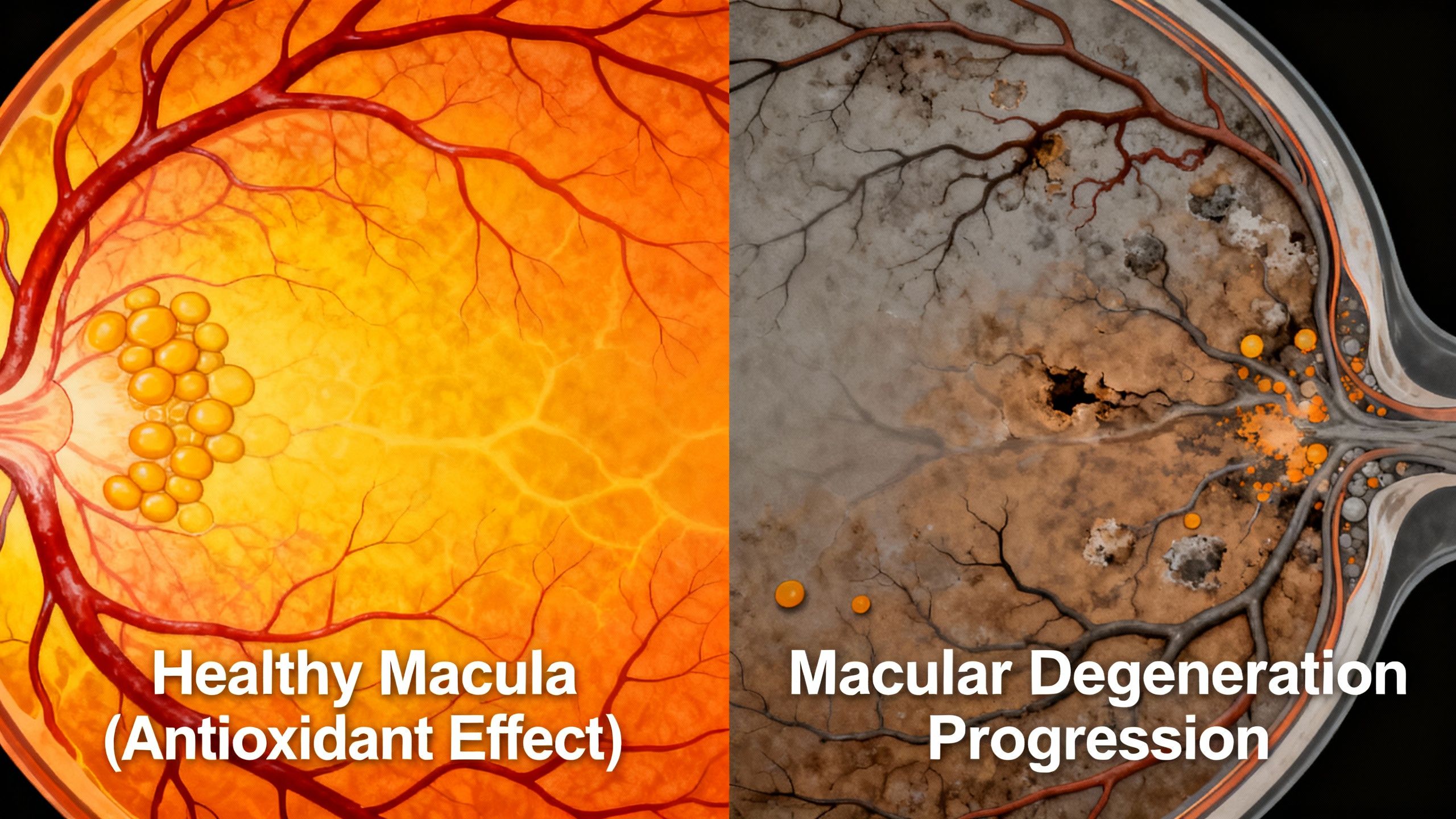
- Macular Degeneration: Deterioration of the central retina (macula) leads to vision loss.
- Cataracts: Opacification of the lens causing blurred vision.
- Diabetic Retinopathy: Blood vessel damage in the retina.
Addressing these risks, particularly through nutrients for eye health, is a growing focus in clinical and preventive medicine.
The Science of Eye Health Compounds
Lutein and Zeaxanthin: The Macular Pigments
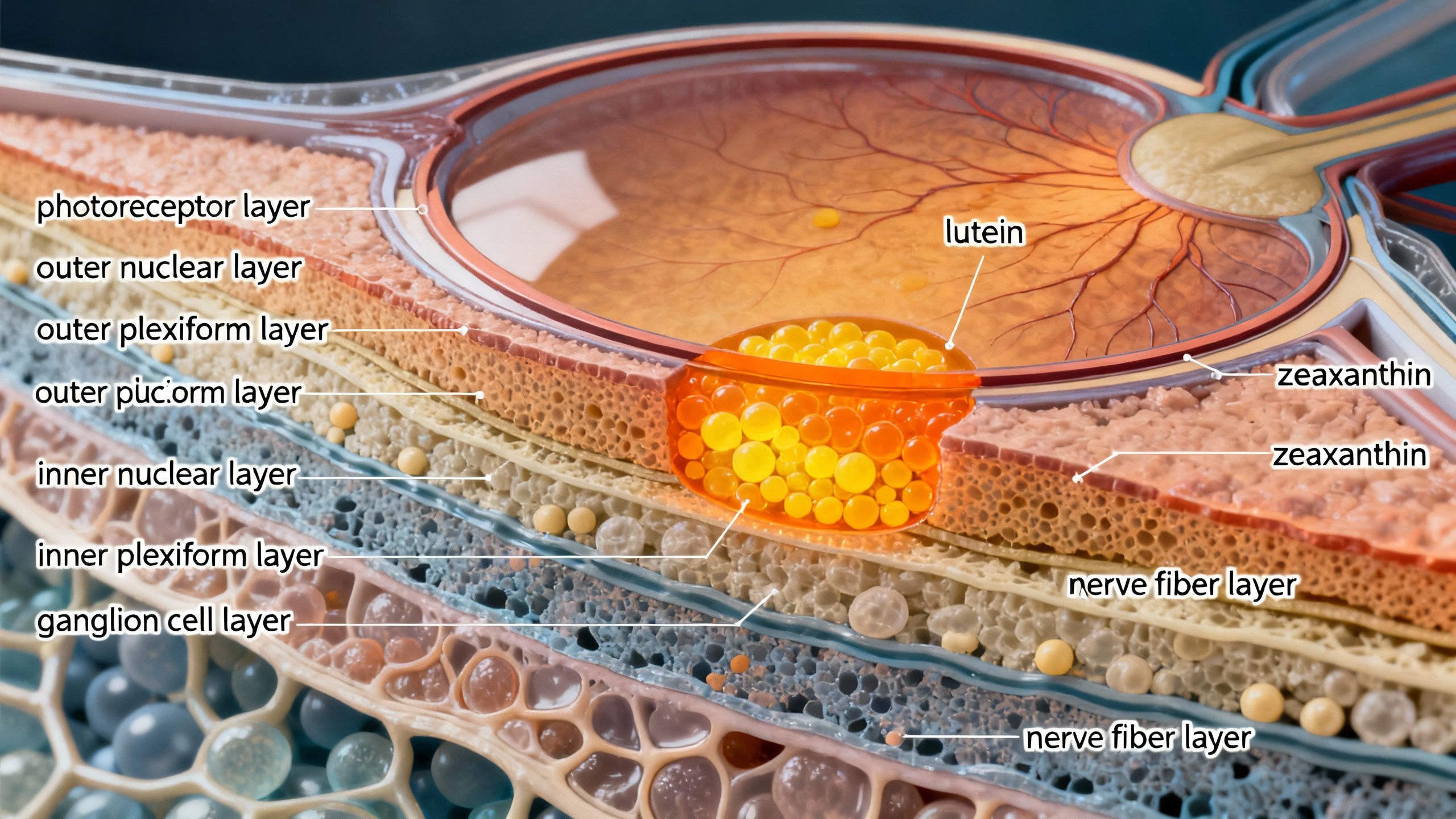
Lutein and zeaxanthin are carotenoid antioxidants retina specialists. They are unique because they accumulate selectively in the macula—the central part of the retina responsible for detailed vision.
Mechanisms of Action
- Blue Light Filtration: These compounds absorb harmful blue light, reducing photochemical damage.
- Antioxidant Effects: Neutralize free radicals, decrease oxidative stress, and sustain retinal health.
- Anti-inflammatory Activity: Potential to decrease low-grade inflammation in retinal tissue.
Food Sources
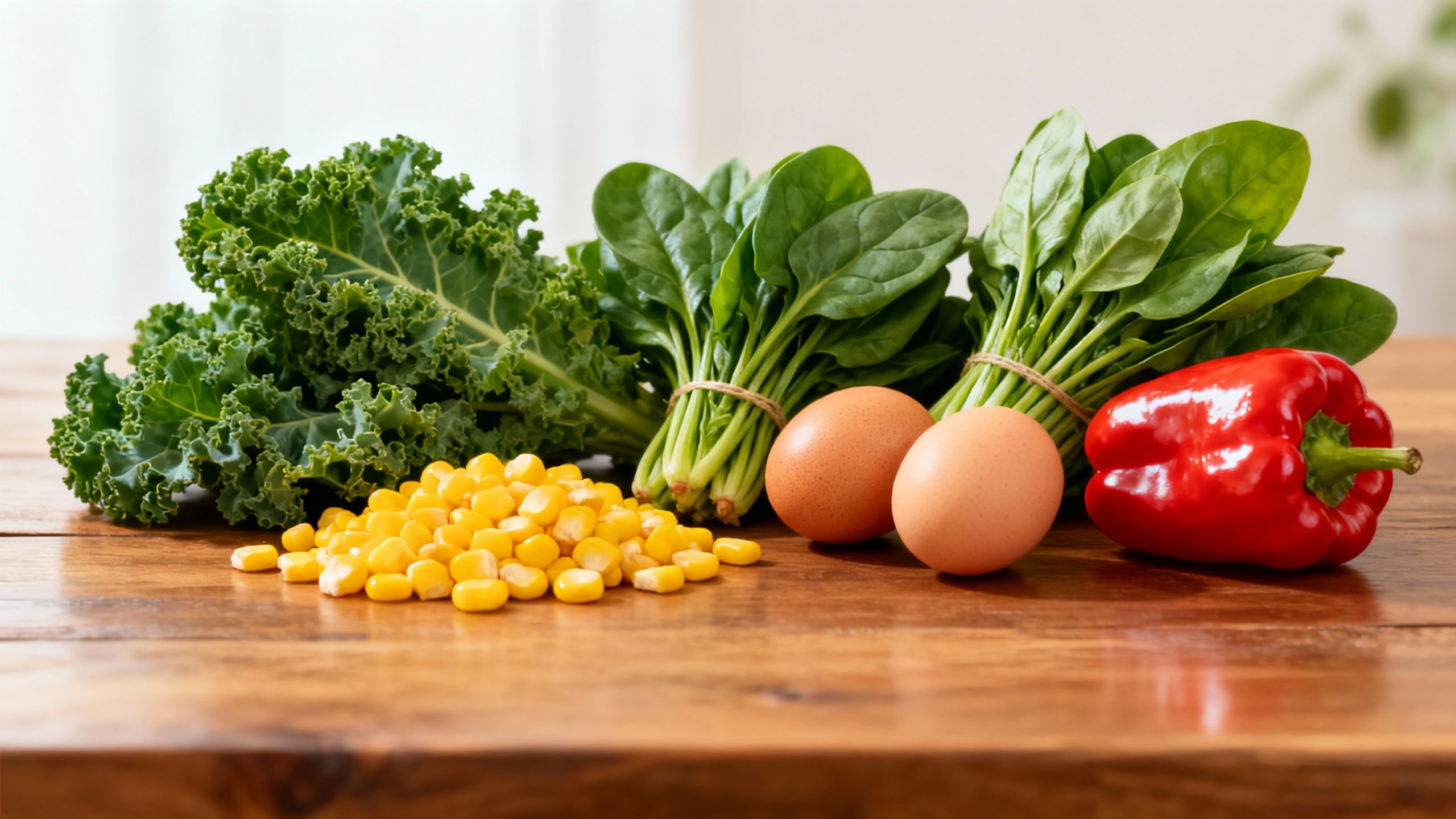
- Kale, spinach, and other leafy greens
- Corn, eggs, peppers, and squash
Astaxanthin: An Emerging Antioxidant for the Retina
Astaxanthin is a potent carotenoid like lutein and zeaxanthin, but with superior antioxidant capability thanks to its unique molecular structure.
- Protects photoreceptor cells from oxidative stress
- Improves retinal blood flow in clinical studies
- Potentially effective in reducing eye fatigue
The AREDS2 Formula: Clinical Evidence for Eye Health
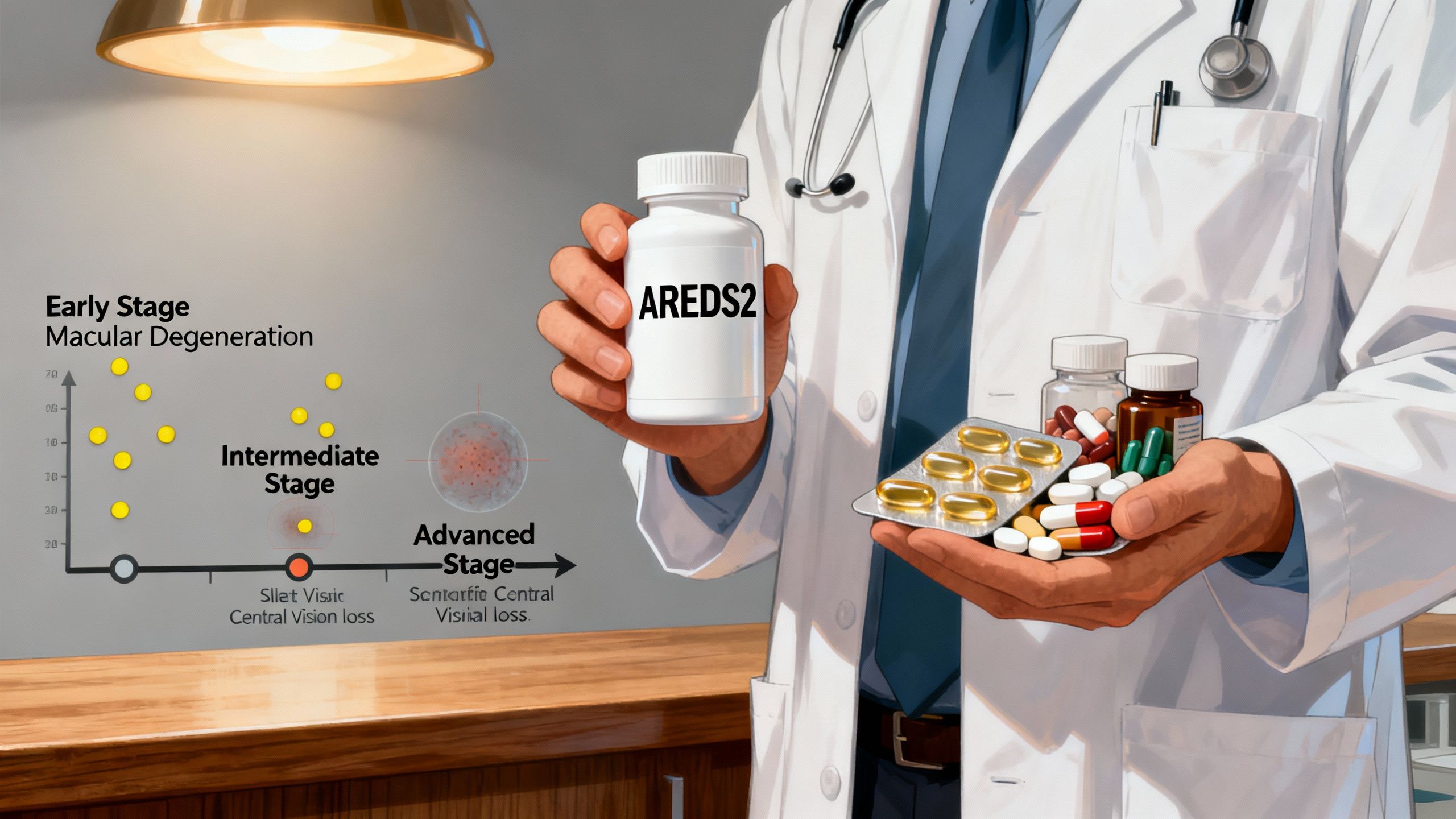
The Age-Related Eye Disease Study 2 (AREDS2) formula is a milestone in nutritional ophthalmology. It contains:
- Lutein (10 mg)
- Zeaxanthin (2 mg)
- Vitamin C (500 mg)
- Vitamin E (400 IU)
- Zinc (80 mg)
- Copper (2 mg)
Why AREDS2?
Original AREDS contained beta-carotene, but later studies replaced it with lutein and zeaxanthin due to better safety in smokers and enhanced efficacy for AMD progression.
Clinical Evidence from Human Studies
Macular Degeneration
- AREDS2 Trial: Supplementation with AREDS2 formula led to a significant reduction in progression to late-stage AMD among high-risk individuals. The effect was most notable in those with low baseline dietary intake of lutein and zeaxanthin.
- Population Studies: Regular intake of leafy greens and eggs (rich in these carotenoids) is associated with lower risk of AMD.
Visual Function and Eye Fatigue
- Astaxanthin Studies: Supplementation (4–12 mg/day for 8 weeks) improved visual acuity and reduced eye fatigue in people who spend long hours on screens. Not all studies found effects, suggesting individual variability and possible benefit only in certain populations.
- Zeaxanthin and Lutein: Doses of 6–12 mg/day increased macular pigment density and improved contrast sensitivity in older adults.
Cataracts
- High intake of lutein and zeaxanthin-rich foods correlates with a lower risk of nuclear cataracts, but supplementation evidence is less clear. The benefit appears stronger in dietary patterns rather than pills alone.
Diabetic Retinopathy and Other Conditions
- Research suggests possible protective roles, but large-scale, long-term human studies are lacking.
Choosing and Using Eye Health Supplements
Practical Recommendations
- Aim for a diet rich in colorful vegetables: Especially spinach, kale, corn, and peas
- Consider supplementation if at risk or unable to meet needs via food
- Use evidence-based formulas: AREDS2 or similar products for those at elevated risk for AMD
Dosage Guidance
- Lutein: 6–20 mg/day
- Zeaxanthin: 2–4 mg/day
- Astaxanthin: 4–12 mg/day (if used)
Individual Variability
- People absorb carotenoids differently based on genetics, gut health, and overall diet.
- Effects may take several months to manifest in visual performance or retinal pigment changes.
Potential Safety and Interactions
- Supplements are generally safe at evidence-based doses, but high doses may cause skin yellowing (carotenodermia, not harmful).
- Beta-carotene caution: Avoid high beta-carotene in smokers due to increased lung cancer risk.
- Always consult with a healthcare provider before starting, particularly if taking medications or managing chronic health conditions.
Beyond Lutein and Zeaxanthin: Other Promising Nutrients for Eye Health
Omega-3 Fatty Acids (DHA and EPA)
- Integral components of retinal cells
- May help with dry eye and macular health
Zinc
- Essential for proper retinal enzyme function
- Included in AREDS2 for its proven supportive role
Vitamins C and E
- Antioxidant properties help limit oxidative damage to the retina
Other Phytonutrients
- Polyphenols (from berries, dark chocolate)
- Taurine (from seafood)
- Emerging research ongoing, but main evidence still favors carotenoids
Lifestyle and Eye Health: Holistic Strategies
- Quit smoking: Substantial risk reduction
- Wear blue-light blocking glasses if exposed to screens or bright lighting for long periods
- Maintain healthy weight and blood sugar: Reduces risk for diabetic eye disease and hypertension
- Regular eye exams: Early detection is key
Evidence for Key Eye Health Compounds
| Compound | Dose Range | Primary Effects | Evidence Strength | Safety |
|---|---|---|---|---|
| Lutein | 6–20 mg | Blue light filter, antioxidant | Strong (AMD, cataract) | Safe up to 20 mg/day |
| Zeaxanthin | 2–4 mg | Blue light filter, antioxidant | Strong (AMD) | Safe |
| Astaxanthin | 4–12 mg | Antioxidant, eye fatigue | Moderate (fatigue, blood flow) | Safe, caution at high doses |
| Zinc | 40–80 mg | Retinal enzyme support | Strong (in AREDS2) | Excessive doses can cause GI upset |
| Omega-3s (DHA) | 250–500 mg | Cell membrane support | Moderate (dry eye) | Safe |
Caveats and Real-World Considerations
Not all supplements are created equal.
- Choose products tested for purity and labeled accurately.
- Whole-food sources provide additional nutrients not found in pills.
- Supplements are not a cure, but a research-backed way to reduce risk and possibly slow progression.
Studies / References
- Lutein & Zeaxanthin Increase Macular Pigment (MPOD)
A meta‑analysis and systematic review of lutein/zeaxanthin intake shows that supplementation at ≥ 5‑20 mg/day increases macular pigment optical density (MPOD), an established marker linked to eye health.
PubMed link: https://pubmed.ncbi.nlm.nih.gov/34157098/ - Clinical Trial: Lutein + Zeaxanthin Improves Visual Function
A randomized, placebo‑controlled ophthalmology trial found that daily lutein + zeaxanthin supplementation significantly increased MPOD and improved chromatic contrast and recovery from photostress in adults.
ARVO Journal: https://iovs.arvojournals.org/article.aspx?articleid=2212732 - Astaxanthin for Eye Strain and Visual Function
A human clinical study shows that astaxanthin supplementation reduced digital eye strain and improved objective visual performance measures, supporting its role in ocular antioxidant and visual fatigue outcomes.
PubMed entry: https://pubmed.ncbi.nlm.nih.gov/40014233/ - Combination of Astaxanthin, Lutein & Zeaxanthin Improves Eye Function Measures
In a randomized, placebo‑controlled trial, a multinutrient supplement containing astaxanthin, lutein, and zeaxanthin improved measures like eye–hand coordination and MPOD after 8 weeks.
PMC article: https://www.ncbi.nlm.nih.gov/pmc/articles/PMC10054128/ - AREDS2: Nutrient Formula Reduces AMD Progression
The Age‑Related Eye Disease Study 2 (AREDS2) is the landmark NIH‑sponsored trial showing that a formulation including lutein (10 mg) and zeaxanthin (2 mg) reduced progression to advanced AMD in at‑risk individuals.
Wikipedia overview with citations: https://en.wikipedia.org/wiki/Lutein#Macular_degeneration
Conclusion: Integrating Eye Health Compounds into Your Wellness Routine
Research underscores the vital role of specific eye health compounds—especially lutein, zeaxanthin, and related antioxidants retina—in protecting vision as we age. While they are not a cure-all, consistent intake through diet or supplementation offers significant benefits for those at risk of or concerned about conditions like AMD and cataracts. Individual response may vary, and the best results are achieved when nutritional support is combined with healthy lifestyle habits and regular eye care.
Always consult with an eye-care professional before starting new supplements, especially if managing chronic conditions or taking other medications. Nutrients for eye health are a powerful tool in maintaining lifelong vision, supporting both prevention and quality of life.