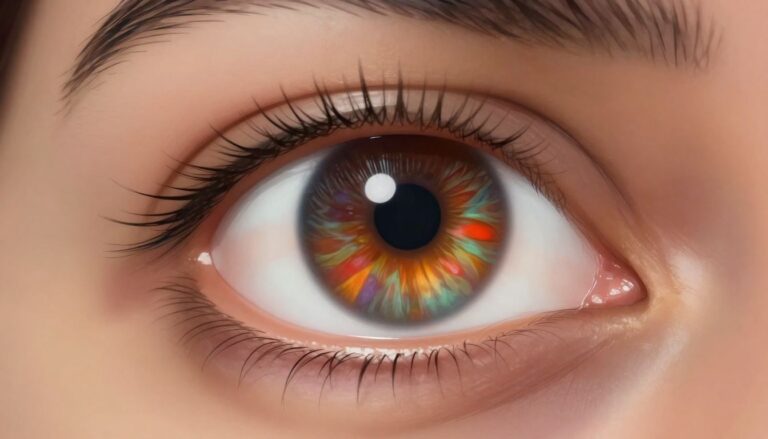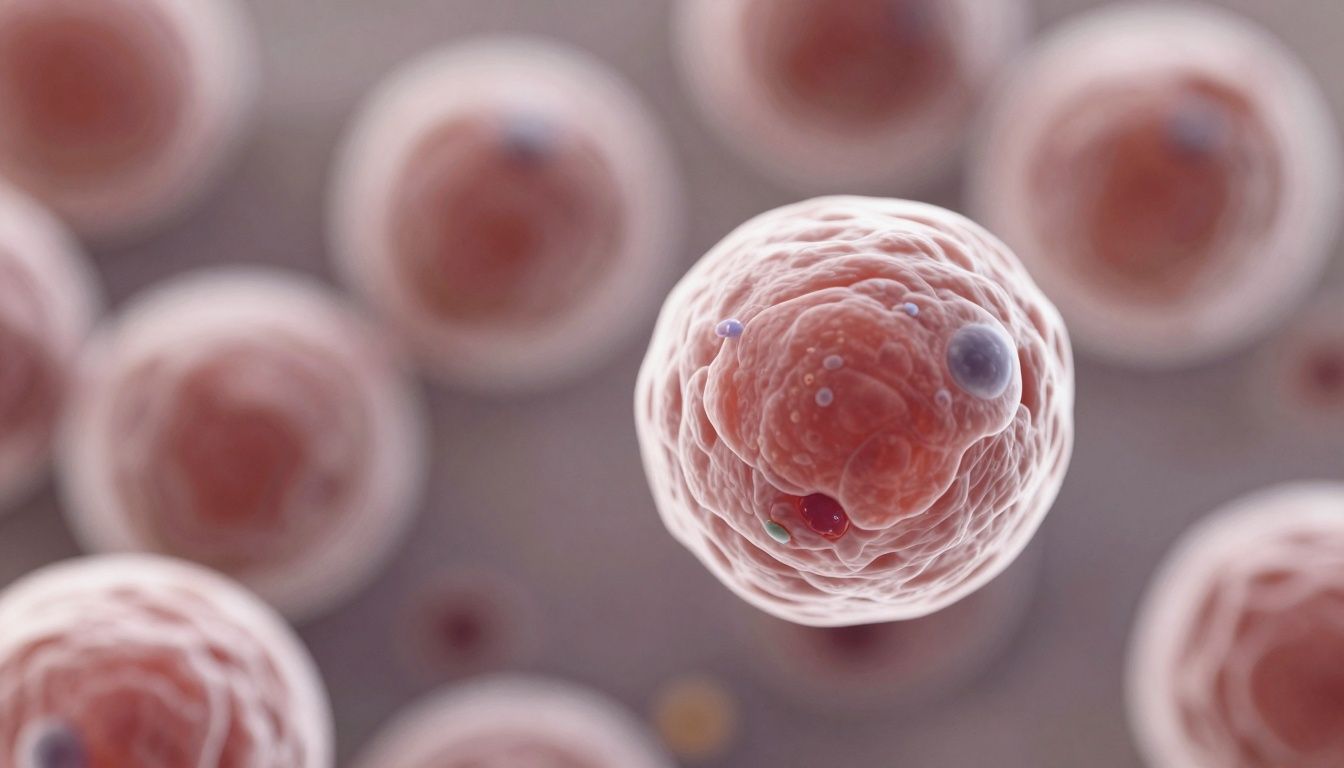
Biological aging is a gradual process that influences every cell, tissue, and organ in our body. Unlike the number on our birthday cake, biological aging tells a deeper story about the health and efficiency of our bodies. Scientists are unraveling the complex cellular aging mechanisms that underlie the aging process, offering insight into why we age and how our choices and environment can influence this trajectory.
Introduction: Understanding the Aging Process
Aging happens to everyone, but its pace and outcomes can vary dramatically. Some people retain robust physical and cognitive function well into their later years, while others experience earlier declines. The concept of biological aging emphasizes how our cells change over time—leading to the hallmarks of aging that eventually manifest as age-related diseases or disabilities.
Key aspects guiding the aging process include:
- Genetic programming that dictates the longevity of cells and organisms
- Environmental exposures such as toxins, UV light, and lifestyle factors
- Intrinsic cellular changes captured in the study of cellular aging mechanisms
Overview of Cellular Aging Mechanisms
Multiple, overlapping molecular and physiological processes contribute to biological aging:
1. Genomic Instability
DNA in our cells accumulates damage over time due to mistakes during cell division and environmental factors (e.g., radiation, chemicals). Our bodies repair much of this damage, but efficiency declines with age—eventually leading to mutations or loss of cellular function.
2. Telomere Shortening
Telomeres are protective “caps” at the ends of chromosomes. With each cell division, these caps become shorter. When critically short, cells enter a state called senescence or self-destruction (apoptosis). This attrition is tightly linked to aging and age-related diseases.
3. Epigenetic Alterations
Chemical modifications on DNA and histone proteins (such as methylation) can alter gene expression without changing the underlying DNA code. Over decades, these modifications drift, sometimes silencing essential genes or activating harmful ones. Epigenetic “clocks” now allow researchers to measure biological age, often differing from chronological age.
4. Loss of Proteostasis
Cells rely on precise manufacturing and recycling of proteins. The aging process explained by a decline in these quality-control systems—such as autophagy and the proteasome—leads to accumulation of damaged, misfolded, or aggregated proteins, contributing to neurodegenerative conditions and other age-related pathologies.
5. Mitochondrial Dysfunction
Mitochondria generate energy but also produce harmful byproducts called reactive oxygen species (ROS). Accumulating mitochondrial DNA errors and damage over time reduce cellular energy and increase inflammation and oxidative stress, key drivers of biological aging.
6. Cellular Senescence
Cells under stress may permanently stop dividing but remain metabolically active. Senescent cells accumulate in tissues with age, secreting inflammatory and matrix-degrading factors that can disrupt tissue structure and function.
7. Altered Cellular Communication
With age, cells increasingly miscommunicate, leading to chronic, low-level inflammation (inflammaging), impaired immune function, and disruption of tissue repair.
How the Aging Process Manifests
The combined effects of these mechanisms can be seen in nearly every organ system:
- Skin: Wrinkling, loss of elasticity, thinning
- Musculoskeletal: Sarcopenia (loss of muscle mass), osteoporosis
- Cardiovascular: Stiffening of blood vessels, increased risk of hypertension
- Neurological: Cognitive decline, slower reflexes
- Immune: Poorer infection response, higher risk of autoimmunity
- Metabolic: Insulin resistance, increased fat accumulation
While some decline is inevitable, the rate and severity vary widely due to genetic, lifestyle, and environmental factors.
Biological Versus Chronological Aging
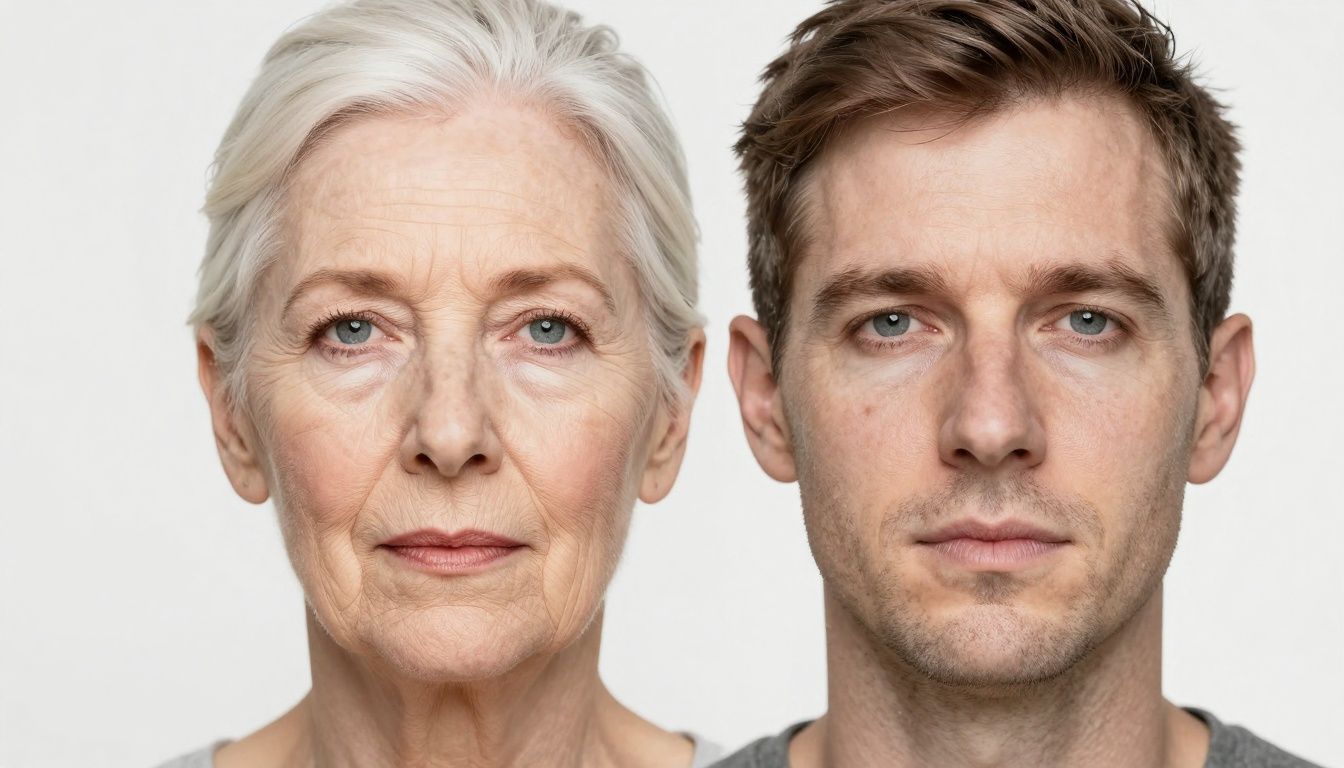
A critical distinction in geroscience is the difference between chronological age (years lived) and biological age (condition of cells and tissues). It is now clear that some 70-year-olds have a biological age of someone decades younger, and vice versa. Biomarkers—especially those based on epigenetics, blood panels, and physiological tests—are being refined to better estimate biological aging and predict future health outcomes.
Factors Influencing the Pace of Biological Aging
Genetic Influences
- Family longevity and genetic variants can raise or lower the risk of age-related diseases
- “Longevity genes” have been identified, but their effects are complex and influenced by lifestyle
Lifestyle Factors
- Diet: Caloric balance, Mediterranean and plant-rich diets are linked to slower aging
- Exercise: Regular aerobic and resistance exercise supports muscle mass, brain health, and mitochondrial function
- Sleep: Poor sleep accelerates biological aging through hormonal and metabolic disruption
- Stress: Chronic psychosocial stress is associated with faster telomere shortening and adverse epigenetic changes
Environment and Exposures
- Avoiding tobacco, minimizing exposure to toxins or pollutants, and practicing sun safety are associated with less cellular damage
Can We Slow Down Biological Aging?
Research into “anti-aging” strategies is booming, but true interventions to decelerate biological aging in humans remain a work in progress. However, practical approaches with strong evidence include:
- Managing cardiovascular risk: Blood pressure, blood sugar, and cholesterol
- Maintaining lean body mass: Through resistance training
- Adequate micronutrient intake: Especially vitamin D, antioxidants, and omega-3 fatty acids
- Mitigating chronic inflammation: Via balanced diet, activity, and management of chronic conditions
How Scientists Study and Measure Aging
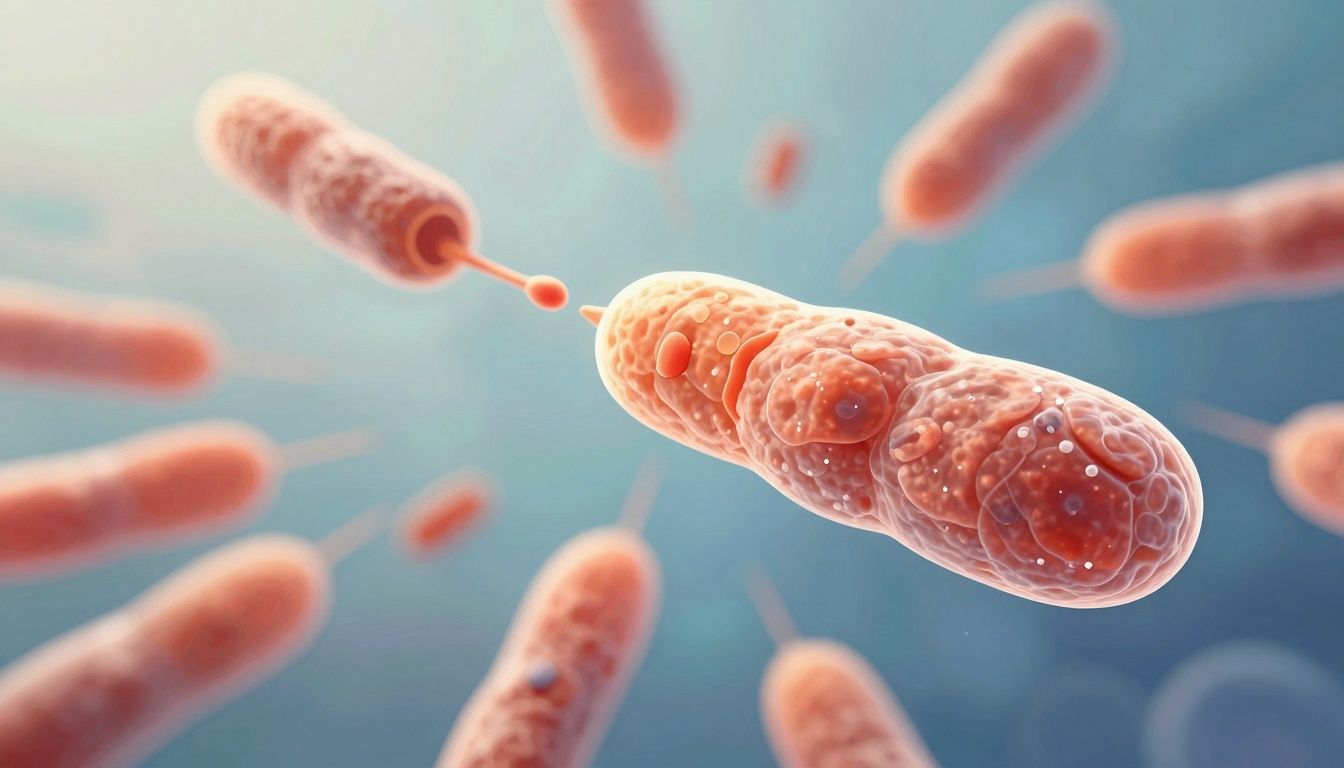
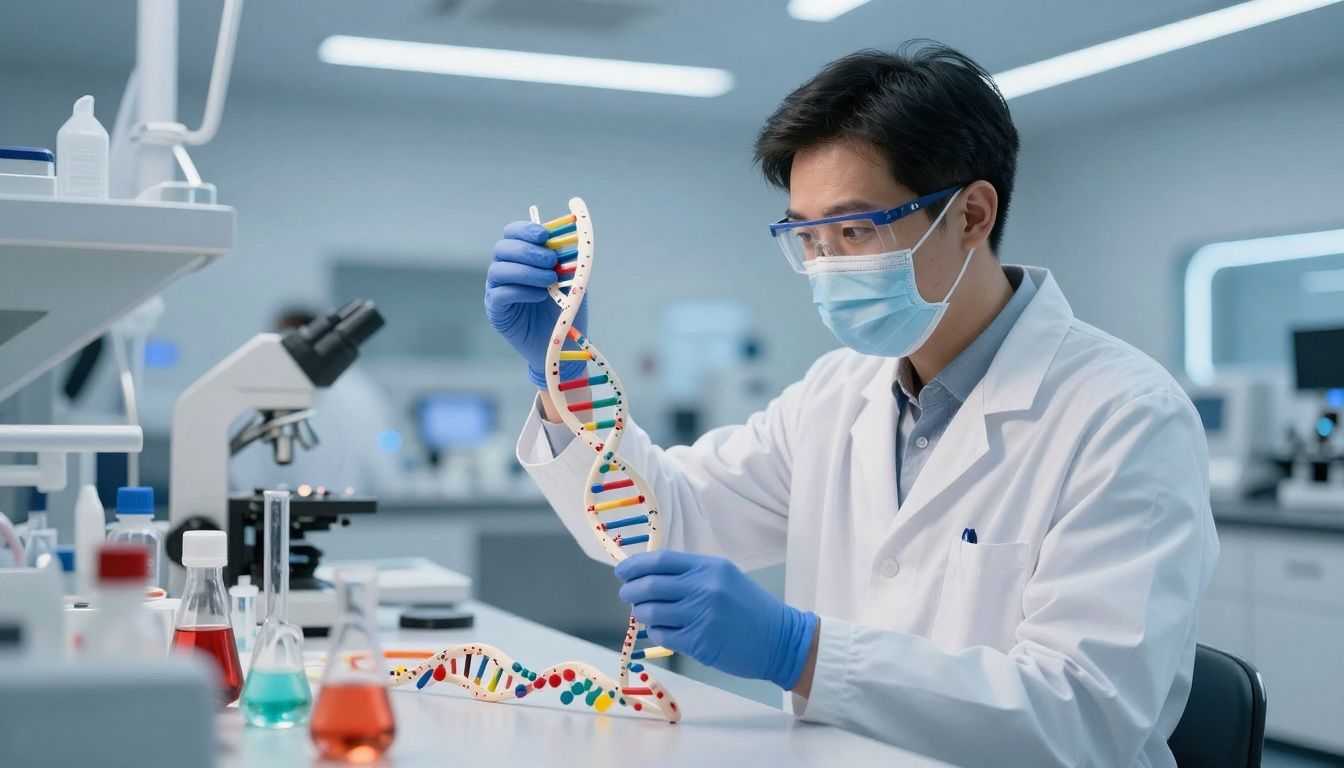
Modern laboratories use multiple tools to unravel the aging process, including:
- Epigenetic clocks: Measuring DNA methylation patterns
- Telomere length assays
- Proteomic and metabolomic signatures
- Functional assessments: Grip strength, walking speed, VO2 max
These metrics increasingly allow for personalized aging profiles and may guide interventions in the future.
The Future: Research Directions in Biological Aging
Human research has only begun to scratch the surface of aging biology. Important areas of focus include:
- Senolytics: Compounds that may selectively clear senescent cells
- NAD+ and mitochondrial therapies: Early-stage clinical evidence suggests potential benefits
- Cellular reprogramming: Resetting aged cell characteristics safely
- Immunosenescence reversal: Targeting immune function decline
Despite promising findings, it is important to recognize that many “anti-aging” treatments remain experimental, and long-term safety is unclear. Consult a healthcare professional before considering new interventions.
Studies / References
1. Telomere Length and Mortality in Older Adults
A large multi-ethnic cohort study followed over 2,000 adults aged 70+ for a decade. Shorter telomere length at baseline predicted higher risk of all-cause and cardiovascular mortality, independent of health behaviors. The study could not determine whether telomere shortening causes disease or is a marker of other underlying processes.
https://pubmed.ncbi.nlm.nih.gov/20889650/
2. Caloric Restriction and Biomarkers of Aging
A randomized controlled trial assigned healthy non-obese adults to a 2-year caloric restriction or normal diet. The caloric restriction group showed improved insulin sensitivity, lower blood pressure, and reduced markers of inflammation. Weight loss was modest, and adherence was a limitation.
https://pmc.ncbi.nlm.nih.gov/articles/PMC4841173/
3. Epigenetic Clock and Disease Prediction
A prospective study on nearly 1,000 middle-aged participants utilized DNA methylation age estimates. Individuals whose DNA methylation age exceeded chronological age were more likely to develop chronic diseases and had earlier mortality over ten years. Causality could not be established, but the epigenetic clock appears predictive of healthspan.
https://pubmed.ncbi.nlm.nih.gov/21731603/
4. Physical Exercise and Cognitive Preservation in Aging
A randomized trial evaluated the effects of aerobic exercise (walking) versus stretching in older adults over 12 months. The aerobic exercise group had better preservation of brain volume and executive function. Limitations included sample size and generalizability.
https://pmc.ncbi.nlm.nih.gov/articles/PMC3056436/
5. Smoking, Stress, and Telomere Attrition
A longitudinal study tracked 500 adults for five years. Smokers and those with high chronic stress levels had faster telomere shortening compared to controls, suggesting excess telomere attrition is linked to lifestyle and environmental exposures. The observational design prevents causal conclusions.
Biological aging is complex and multifactorial, but advances in understanding cellular aging mechanisms and the aging process explained by modern science offer hope for extending healthy years of life.
Key takeaway: The best evidence-based interventions involve managing risk factors, embracing a healthy lifestyle, and staying informed of new developments in age-related research.