
Retinal aging represents a complex set of changes that occur within the retina as we grow older. While age-related macular degeneration (AMD) is often in the spotlight, it is only one outcome of the many dynamic processes affecting the aging retina. This article provides a comprehensive look at retinal aging, mechanisms beyond macular degeneration, and evidence-based strategies for preventing retinal degeneration to preserve long-term eye health.
The Retina: Structure and Function Across the Lifespan
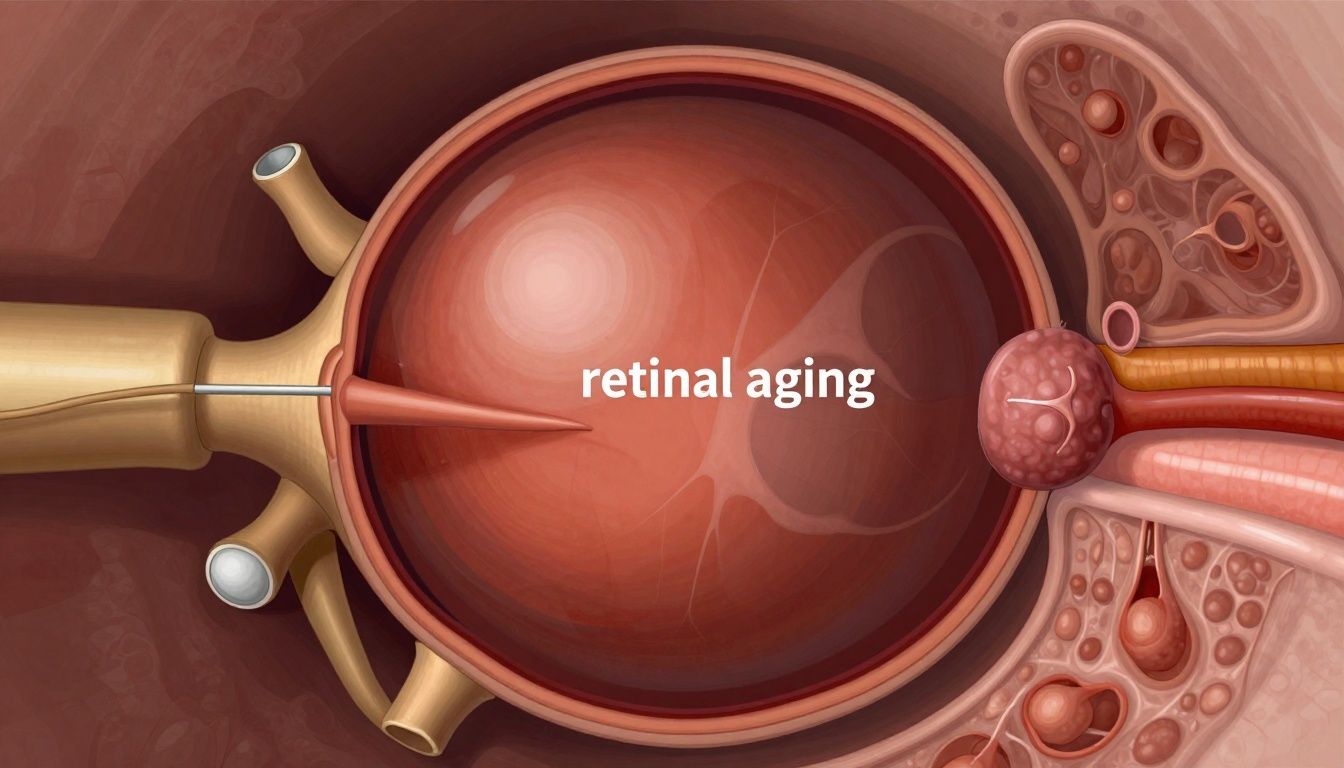
The retina is a thin, multi-layered tissue at the back of the eye, responsible for converting light into nerve signals sent to the brain. Its health and function depend on the integrity of several cell types:
- Photoreceptors (rods and cones): Detect light and enable vision
- Retinal pigment epithelium (RPE): Maintains photoreceptor health, removes waste
- Blood vessels: Supply oxygen and nutrients, maintain immune privilege
- Retinal ganglion cells: Transmit signals to the brain
With age, these retinal layers are subjected to cumulative stress, metabolic waste buildup, and changes in blood supply, making them vulnerable to degeneration.
What Happens to the Retina as We Age?
Retinal aging involves progressive, gradual changes:
- Loss of photoreceptors: Especially rods, which impacts low-light and peripheral vision.
- Accumulation of lipofuscin: A byproduct of cellular metabolism in the RPE.
- Thinning of the retina: Due to loss of neurons and supporting cells.
- Changes in blood flow: Reduced supply can lead to localized hypoxia and oxidative stress.
- Mild inflammation (para-inflammation): Chronic low-grade inflammation alters the retinal environment.
These changes are natural, but rates and severity can vary greatly between individuals.
Beyond Macular Degeneration: Other Consequences of Retinal Aging
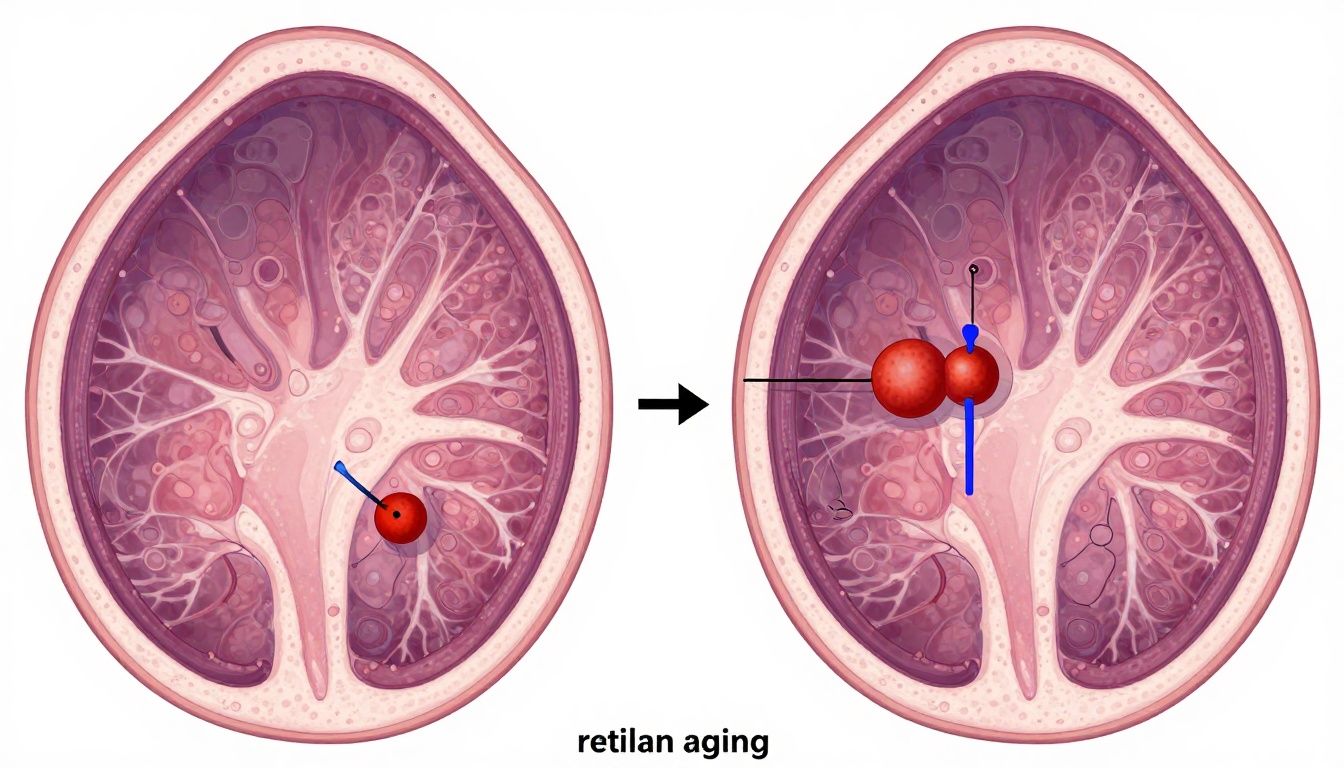
While AMD is the major age-related retinal disease, other changes also impact aging eyes:
- Reduced Night Vision: Difficulties adapting to dim lighting are common, often linked to rod photoreceptor decline.
- Delayed Dark Adaptation: Takes longer for eyes to adjust from light to dark environments.
- Decline in Contrast Sensitivity: Difficulty distinguishing between subtle shades or seeing in glare.
- Peripheral Vision Loss: Not only central vision is affected by aging; side vision can decline due to photoreceptor and ganglion cell loss.
- Increased Vulnerability to Retinal Detachment and Vascular Disorders: Thinning and changes in blood vessels can elevate risk.
- Growth of Drusen: Small, yellow deposits build up under the retina, sometimes leading to AMD but also found in otherwise healthy seniors.
Mechanisms of Retinal Degeneration in Aging
Retinal degeneration is driven by interconnected biological mechanisms:
1. Oxidative Stress
The retina’s high metabolic rate and exposure to light generate reactive oxygen species (ROS), damaging lipids, proteins, and DNA if not adequately neutralized. Over time:
- Antioxidant defenses decrease
- Photosensitizer accumulation increases
This can harm photoreceptors and retinal pigment epithelial cells, accelerating degeneration.
2. Inflammation and Immune Dysfunction
With aging, the immune response becomes dysregulated. Para-inflammation develops—a chronic, low-level inflammation:
- Microglia (the retina’s immune cells) become more reactive
- Cytokines and chemokines increase, leading to tissue remodeling and possible damage
Chronic inflammation underlies both AMD and other forms of retinal aging.
3. Cellular Senescence and Apoptosis
Cells that lose their ability to divide (senescence) or enter programmed cell death (apoptosis) accumulate in the retina:
- RPE cells: Senescence leads to impaired waste processing, increased drusen
- Photoreceptors: Apoptosis results in irreversible vision loss
4. Impaired Autophagy and Waste Removal
Aging impairs the autophagy-lysosome pathway, essential for clearing debris:
- Lipofuscin accumulates, especially in the RPE
- Debris build-up triggers cell dysfunction and immune activation
5. Vascular Dysfunction
The retina’s blood supply becomes less efficient with age:
- Basement membrane thickening in blood vessels
- Capillary loss and microvascular rarefaction
This reduces retinal oxygenation and increases susceptibility to ischemic injury.
Risk Factors: Why Some Eyes Age Faster
Several modifiable and non-modifiable risk factors raise the risk of accelerated retinal aging:
- Genetics: Family history of retinal disease or early degeneration
- Lifestyle: Smoking, poor diet, inactivity
- Co-morbidities: Hypertension, cardiovascular disease, diabetes
- UV and blue light exposure: Without adequate protection
- Sex: Some risk factors are higher in women (post-menopause, estrogen decline)
- Ethnicity: Certain populations are more susceptible to AMD and other retinal diseases
Preventing Retinal Degeneration: What Works?
While we can’t stop aging, current research highlights evidence-based strategies for preventing retinal degeneration and supporting healthy vision throughout life.
1. Nutrition and Eye Health Nutrients
A diet rich in specific micronutrients has been linked to slower retinal aging:
Key nutrients:
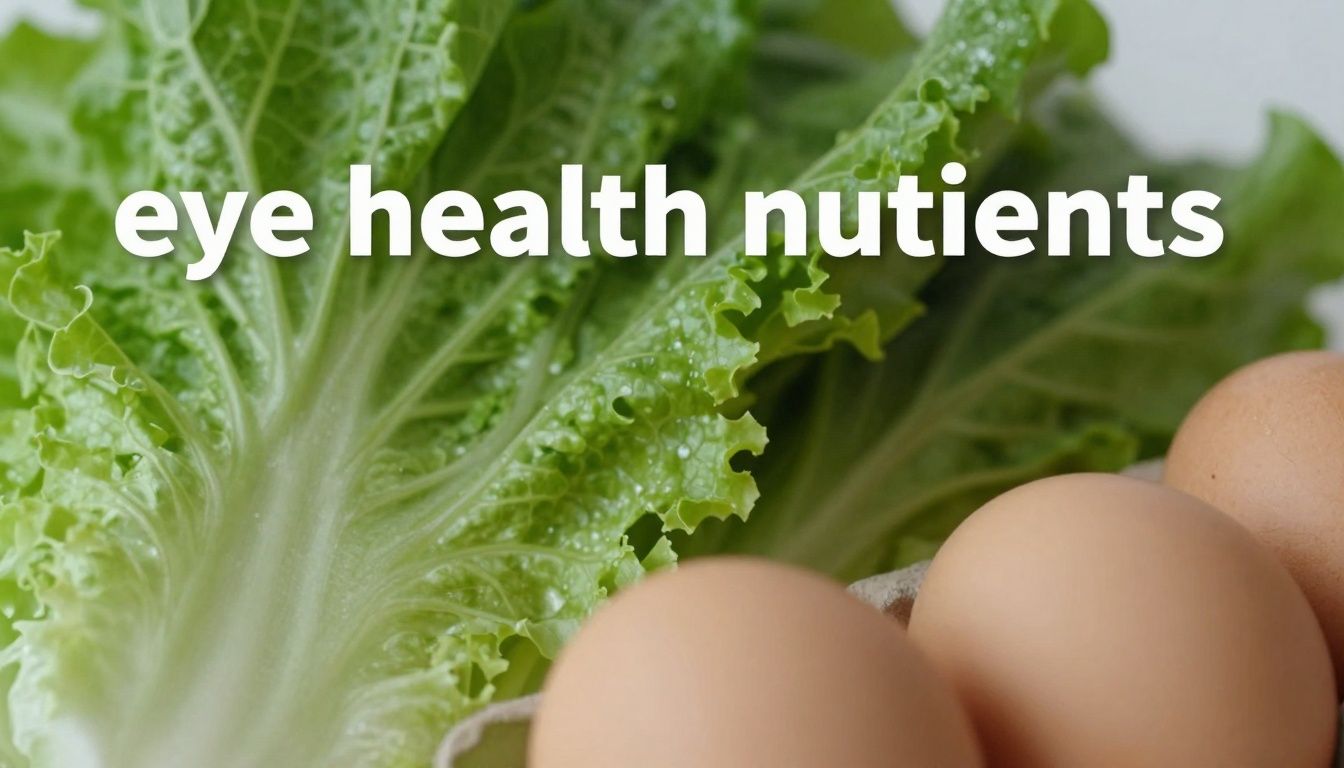
- Lutein and Zeaxanthin: Carotenoids that concentrate in the macula, filter harmful blue light, and offer antioxidant protection. Found in green leafy vegetables, corn, eggs.
- Omega-3 Fatty Acids (DHA, EPA): Vital for photoreceptor membrane health. Sourced from oily fish, flaxseeds.
- Vitamin C, E, Zinc, Copper: Established in large trials (see AREDS2 below) for their role in slowing progression of AMD.
Supplements vs. Diet: While the best source is a varied, plant-rich diet, supplementation may be warranted for those unable to reach target intake.
2. Lifestyle Modifications
- Quit Smoking: Even past smokers can reduce risk by quitting.
- Maintain a Healthy Weight and Blood Pressure: Reduces risk of both AMD and diabetic retinopathy.
- Wear Sunglasses Outdoors: UV and blue light-blocking lenses can protect from photo-oxidative damage.
- Regular Exercise: Supports cardiovascular and retinal blood flow.
- Control Blood Sugar: Especially for individuals with diabetes or metabolic syndrome.
3. Regular Eye Exams
Early changes in retinal structure and function often go unnoticed. Regular screening can help catch issues before symptoms arise:
- Recommended frequency: Every 1–2 years for adults over 50; more often if you have risk factors.
- Advanced imaging: Techniques like optical coherence tomography (OCT) can pick up subtle changes.
Lutein, Zeaxanthin, and the AREDS2 Formula: Human Evidence for Retinal Aging
Lutein and Zeaxanthin: Carotenoid Powerhouses
Function and Mechanism:
- Concentrate in the macula and fovea, areas with highest visual acuity
- Filter high-energy blue light, reducing phototoxic injury
- Potent antioxidants that neutralize free radicals in the retina
Human Evidence:
- Multiple studies have shown increased macular pigment and improved visual function in older adults with higher intake or supplementation
AREDS2 Formula
What is AREDS2?
- Developed from large NIH trials on age-related macular degeneration
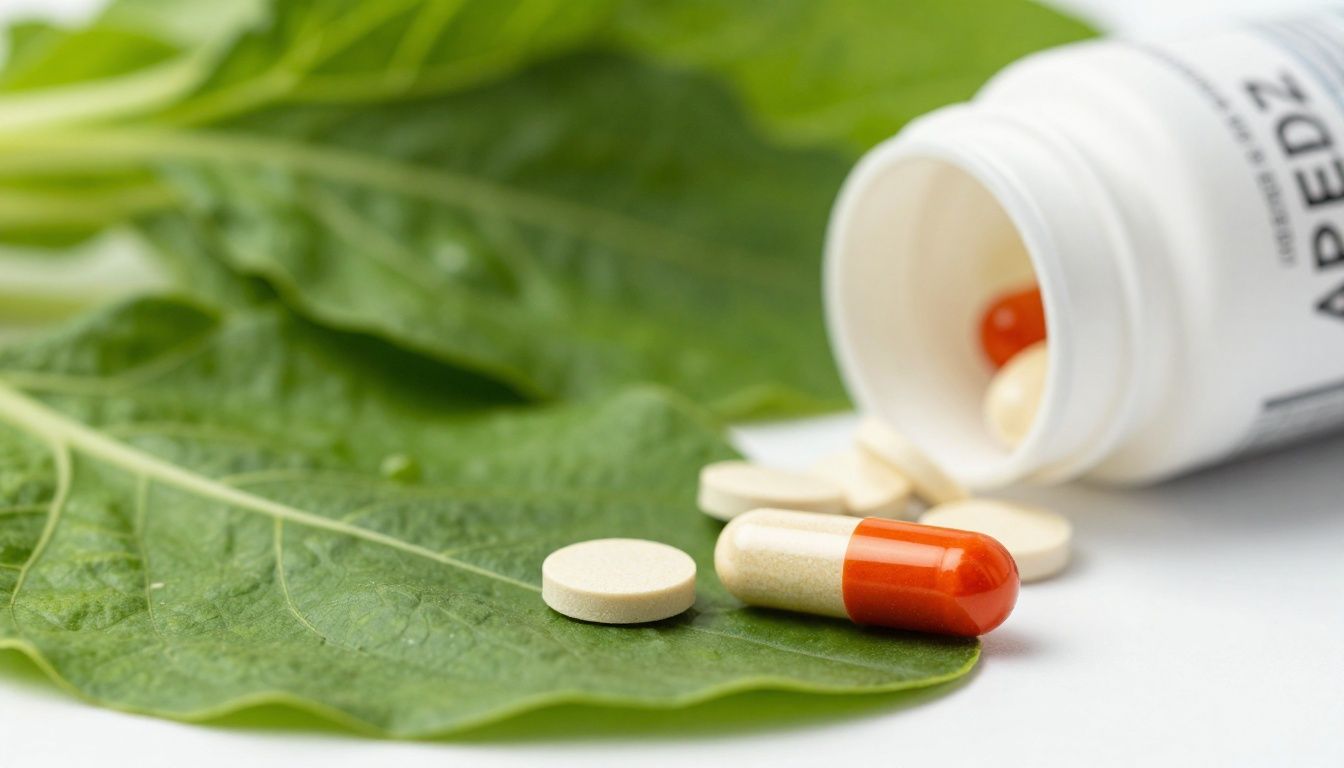
- Combination of lutein (10 mg), zeaxanthin (2 mg), vitamin C (500 mg), vitamin E (400 IU), zinc (80 mg as zinc oxide), copper (2 mg as cupric oxide)
Benefits:
- Proven to reduce progression of moderate-to-advanced AMD
- AREDS2 formulation replaced beta-carotene with lutein and zeaxanthin for improved safety
Limitations:
- Benefit robust for people with intermediate or advanced AMD; less evidence for primary prevention in healthy aging
Individual Variability: Why One Size Doesn’t Fit All
Every person ages uniquely. Factors influencing retinal aging and response to prevention include:
- Genetic makeup (including complement factor H and ARMS2 genes)
- Dietary patterns and micronutrient absorption
- Sunlight exposure history
- Health status and medication use
- Sex-specific hormonal changes
Personalized approaches and risk assessment are key.
Brief Note on Experimental Therapies
Research continues on pharmacological and stem cell-based therapies for retinal aging and degeneration. Animal and cell studies suggest potential for:
- Senolytic drugs targeting senescent cells
- Injectable antioxidants, novel anti-inflammatory agents
- Gene therapy to support cell survival
However, these approaches are under investigation and have not yet been proven effective or safe in large-scale human studies.
Practical Applications: A Lifetime of Eye Health
Preserving vision with age requires a long-term, evidence-based approach:
- Optimize nutrition: Make lutein- and zeaxanthin-rich foods a dietary staple
- Adopt healthy habits: Avoid smoking, exercise regularly, and protect your eyes from sunlight
- Monitor vision with regular exams: Catch and address changes early
- Understand your unique risk: Family history and health issues may mean more aggressive prevention or early intervention
- Stay informed: New research improves our understanding of retinal aging each year. Find more at Clinical Trials in Age-Related Degenerative Conditions.
Conclusion
Retinal aging is a complex, multifaceted process that goes far beyond macular degeneration. By understanding the mechanisms, risk factors, and practical strategies to prevent retinal degeneration—especially through optimal nutrition and healthy lifestyle choices—we can preserve vision health well into old age.
Studies / References
- The Age-Related Eye Disease Study 2 (AREDS2) randomized clinical trial evaluated adding lutein (10 mg) and zeaxanthin (2 mg) to an antioxidant and zinc formulation in adults at high risk for progression to advanced AMD. While primary analyses did not show statistically significant protection, secondary analyses and subgroup findings supported a modest benefit and confirmed safety advantages over beta-carotene. https://pubmed.ncbi.nlm.nih.gov/23644932/
- The National Eye Institute’s overview of the AREDS and AREDS2 trials states that antioxidant plus zinc supplementation can reduce progression to advanced AMD, and that lutein/zeaxanthin replacement is safe and appropriate, especially for smokers and ex-smokers. https://www.nei.nih.gov/research/clinical-trials/age-related-eye-disease-studies-aredsareds2/about-areds-and-areds2
- Secondary analyses from AREDS2 showed that participants taking formulations with lutein and zeaxanthin (without beta-carotene) had a lower risk of progressing to late AMD compared with those on formulations with beta-carotene. https://jamanetwork.com/journals/jamaophthalmology/fullarticle/1788227
- A systematic review and meta-analysis found that antioxidant micronutrient supplementation akin to AREDS/AREDS2 can delay progression of intermediate AMD, supporting nutrition-based approaches for slowing retinal aging. https://www.mdpi.com/2072-6643/14/20/4273
- An NIH overview of AMD and diet reported that higher dietary intake of carotenoids, including lutein and zeaxanthin, was associated with lower risk of advanced AMD and appears safe across population groups. https://www.nei.nih.gov/sites/default/files/health-pdfs/nei_wysk_amd.PDF
Key Takeaway: Comprehensive prevention of retinal aging involves more than just targeting macular degeneration. Combining optimal nutrition (lutein, zeaxanthin, AREDS2 components), healthy habits, and regular eye care is the evidence-based path to lifelong vision.