
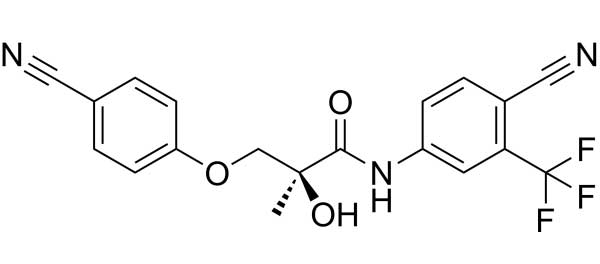
Ostarine (also known as MK-2866 or Enobosarm) has garnered significant attention as a selective androgen receptor modulator (SARM) with potential for counteracting muscle wasting seen in age-related conditions like sarcopenia. As the global population ages, maintaining muscle mass and function isn’t just about aesthetics—it’s essential for healthspan, independence, and metabolic health. This article provides an in-depth, evidence-based review of MK-2866, focusing on its efficacy, mechanisms of action, clinical research in humans, safety profile, and its practical role in addressing muscle degeneration associated with aging.
Understanding MK-2866: A New Frontier in Muscle Preservation
MK-2866 is a non-steroidal SARM designed to selectively bind to androgen receptors in skeletal muscle and bone. Unlike traditional anabolic steroids, Ostarine is engineered to minimize androgenic activity in tissues such as the prostate and skin, aiming to deliver muscle- and bone-building effects with a lowered risk of typical steroid side effects.
How SARMs Differ From Anabolic Steroids
- Selectivity: SARMs like MK-2866 are selective for muscle and bone tissue, reducing the likelihood of unwanted androgenic effects.
- Oral administration: Unlike many anabolic agents that require injection, Enobosarm is bioavailable orally.
- Potential for clinical use: SARMs are being studied for various medical indications, including muscle wasting (cachexia), osteoporosis, and sarcopenia.
The Biology of Muscle Degeneration With Age
As we age, skeletal muscle mass and function decline—a process known as sarcopenia. This condition increases frailty, risk of falls, insulin resistance, and reduces overall quality of life. Classical contributors to sarcopenia include:
- Hormonal changes: Decreased levels of testosterone, growth hormone, and IGF-1
- Inflammatory signaling: Chronic low-grade inflammation impairs muscle regeneration
- Reduced physical activity: Leading to muscle atrophy
- Altered protein metabolism: Decreased synthesis and increased degradation of muscle proteins
Current interventions focus on resistance exercise and protein intake, but pharmacological approaches are needed for those who cannot exercise effectively or have significant muscle loss.
Mechanism of Action: How Ostarine Combats Muscle Loss
Ostarine exerts its effects by selectively activating androgen receptors in skeletal muscle. The main mechanisms include:
- Enhanced Protein Synthesis: Boosts the production of new muscle proteins, supporting hypertrophy and maintenance.
- Reduced Protein Breakdown: Limits the activity of pathways active in muscle atrophy, such as the ubiquitin-proteasome system.
- Promotion of Satellite Cell Activity: Encourages satellite cells (muscle stem cells) to proliferate and repair damaged muscle fibers.
- Preservation of Bone Density: Androgen receptor activation also supports bone health, indirectly benefiting muscle function.
Clinical Applications: Ostarine in Age-Related Muscle Loss
Enobosarm has gone through several clinical trials for indications ranging from cancer cachexia to sarcopenia and frailty in elderly populations. Understanding its effects in humans is crucial, as animal and in-vitro findings don’t always translate.
Key Clinical Contexts:
- Age-Related Sarcopenia: Where muscle mass and strength gradually decline with age
- Cachexia: Severe muscle wasting due to chronic diseases such as cancer
- Functional Frailty: Inability to perform daily tasks due to muscle weakness
Human Evidence: Efficacy of Enobosarm in Muscle Preservation
Muscle Mass and Strength Outcomes
Multiple placebo-controlled human studies demonstrate that Enobosarm at clinically tested doses (1–3 mg daily) produces statistically significant improvements in lean muscle mass compared to placebo.
- Lean mass gain: Elderly participants and cancer patients have shown average gains of 1–1.5 kg in lean body mass over 12–24 weeks.
- Improved physical function: Increases in walking speed and stair climbing power have been reported.
- Muscle strength: Gains are most pronounced in those with baseline muscle weakness or wasting.
Bone Health and Quality of Life
Enobosarm also positively influences bone turnover markers, suggesting preservation of bone mineral density. Some studies report improvement in self-reported quality of life and reduced fatigue.
Ostarine vs. Other Muscle-Preserving Interventions
| Intervention | Route | Proven Human Benefit | Main Limitation |
|---|---|---|---|
| Resistance Exercise | Physical | Increases strength, function | Not possible for all |
| Dietary Protein | Oral | Muscle maintenance | Limited in frail |
| Anabolic Steroids | Injection/oral | Muscle gain, but side effects | High risk profile |
| Ostarine (MK-2866) | Oral | Lean mass increase, improved function | Long-term safety unclear |
Safety Profile and Potential Side Effects
Although Enobosarm is engineered to minimize adverse effects, human studies have identified several points of caution:
Reported Adverse Effects:
- Mild elevations in liver enzymes: Most common and reversible
- Decreases in HDL cholesterol: May pose cardiovascular risk with long-term use
- Suppression of natural testosterone: Usually modest and reversible, but should be monitored
- No significant prostate or hair-related side effects at tested doses
Safety Warnings:
- Not approved for general use outside clinical trials
- Unknown effects with long-term or high-dose use
- May interact with other drugs impacting hormone levels
Caveat: Ostarine is not currently FDA approved for any indication. All use outside of clinical trials is considered experimental and carries legal and medical risks.
Common Questions About Ostarine for Aging and Muscle Loss
Is Ostarine Legal?
Ostarine is classified as an investigational drug and is not approved by regulatory bodies like the FDA for any medical use outside clinical trials.
Who Might Benefit From MK-2866?
Current research suggests Ostarine may benefit individuals with proven muscle wasting who have not responded to conventional interventions. It is not indicated for healthy adults seeking muscle gain.
How Does Enobosarm Compare with Exercise?
Exercise remains the most effective and safest approach for muscle preservation. Enobosarm may provide benefit where physical activity is limited due to frailty or disease.

Considerations for Use and Patient Selection
Before considering MK-2866 (even in a clinical trial setting), evaluate:
- Medical history: Liver, kidney, cardiovascular, and hormonal health
- Medication list: Risk of drug interactions, particularly with anticoagulants, statins, or hormonal agents
- Baseline muscle mass/function: To assess risk vs benefit
- Ability to participate in lifestyle interventions: Ostarine should not replace physical activity or nutrition
Long-term data are not available—patients and clinicians should proceed with utmost caution.

SARMs, Aging, and Future Research Directions
The potential of SARMs like MK-2866 to address age-related muscle loss is compelling, but several gaps remain:
- Durability of muscle gains after discontinuation
- Long-term cardiovascular and metabolic effects
- Optimal dosing regimens, particularly in older adults
- Risk of functional side effects versus lean mass gains
Many studies are ongoing to address these uncertainties. Until clear, long-term safety and efficacy profiles are established, MK-2866 should be considered an experimental therapy.
Practical Applications and Integrative Muscle Health Strategies
While the science advances, clinicians and individuals should continue to focus on proven muscle-preserving strategies:
- Progressive resistance training
- Adequate dietary protein and vitamin D
- Treating underlying conditions that contribute to muscle loss (e.g., hormonal deficiencies, inflammation)
- Considering emerging therapies only within approved research settings
Studies / References
- Ostarine phase II clinical trial — elderly adults
Dalton JT., Barnette KG., Bohl CE., Hancock ML., Rodriguez D., Dodson ST., et al. A randomized, double-blind, placebo-controlled phase II study demonstrated that oral Enobosarm (MK-2866) significantly increased total lean body mass and improved physical function in healthy elderly men and postmenopausal women over 12 weeks.
GTx‑024 increases lean body mass in elderly adults – J Cachexia, Sarcopenia and Muscle - Enobosarm in cancer cachexia patients
Dobs AS., Boccia RV., Croot CC., Gabrail NY., Dalton JT., Hancock ML., Johnston MA., Steiner MS. A phase II randomized controlled trial found that Enobosarm increased lean body mass compared to placebo in patients with cancer-induced muscle wasting, although strength outcomes varied and long-term effects remain unclear.
Effects of Enobosarm on Muscle Wasting – Lancet Oncology - SARMs systematic review (including Ostarine)
A systematic review of randomized controlled trials on SARMs (including Enobosarm/MK-2866) found consistent lean mass increases in adults and identified safety considerations such as changes in liver enzymes.
Selective Androgen Receptor Modulators (SARMs) systematic review – PubMed
Conclusion: Ostarine in the Context of Aging and Muscle Health
Enobosarm represents a promising, selective approach to combat age-related muscle loss. Clinical studies show increases in lean mass and moderate functional improvements in older adults and patients with muscle wasting syndromes. While its side effect profile appears more favorable than traditional anabolic steroids, important safety questions remain—especially with extended use.
Integrating Enobosarm into muscle health strategies requires medical supervision and should only occur within rigorous clinical research settings. Proven lifestyle measures remain the cornerstone for the majority of people facing age-related muscle decline. As research progresses, Ostarine and other SARMs may eventually play an important role in the medical management of sarcopenia and functional frailty.