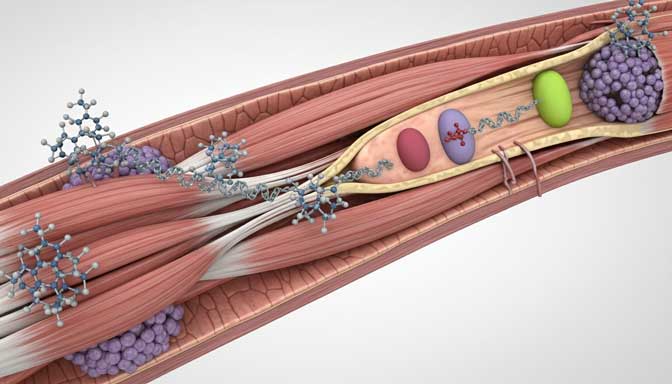

Omega-3 fatty acids (n-3s) have emerged as crucial nutrients for supporting healthy aging, particularly in the domains of muscle health and cognitive vitality. As the global population ages, understanding nutritional interventions that can address age-related decline is more important than ever. This article provides an evidence-based exploration of how omega-3 fatty acids—especially EPA and DHA—benefit muscle function and brain health, with practical insights for older adults seeking to maintain strength and mental acuity.

Introduction: Why Focus on Omega-3 for Aging?
Aging is frequently accompanied by declines in both muscle mass (sarcopenia) and cognitive abilities. These changes can drastically impact independence and quality of life. Nutrition, especially the intake of specific fatty acids, plays a significant role in mitigating these effects. Omega-3 fatty acids have been linked to multiple aspects of healthy aging, including:
- Reduced inflammation
- Enhanced cell membrane function
- Support for neural and muscle tissue repair
Understanding Omega-3 Fatty Acids: EPA, DHA, and ALA
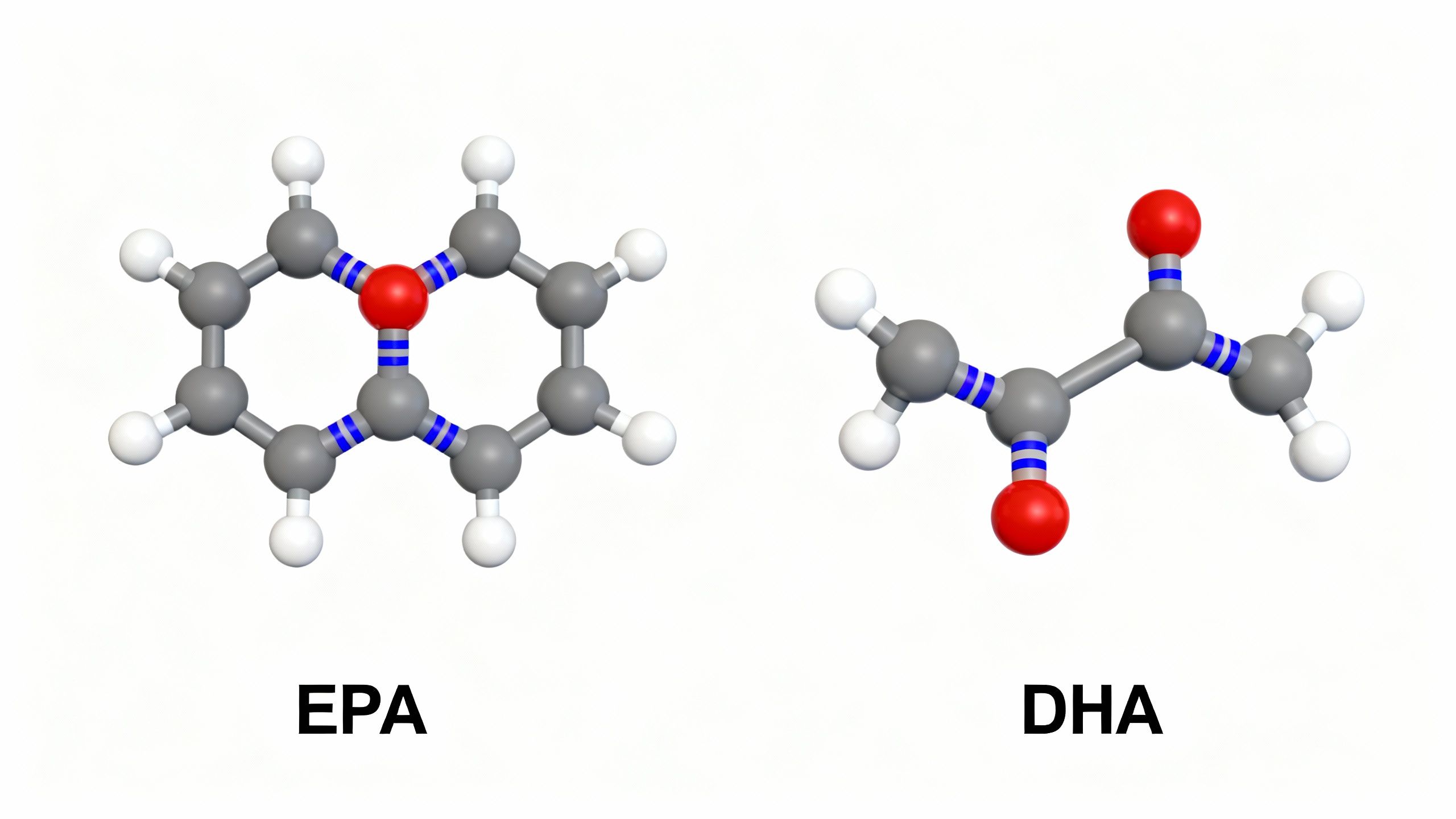
Omega-3 fatty acids are polyunsaturated fats, of which the most biologically active are eicosapentaenoic acid (EPA) and docosahexaenoic acid (DHA). These are predominantly found in marine sources, including fatty fish and certain algae. Alpha-linolenic acid (ALA) is the plant-based n-3s, found in flaxseed and chia, but its conversion to EPA and DHA in the human body is limited.
Key Types of Omega-3 Fatty Acids
| Fatty Acid | Major Sources | Biological Role |
|---|---|---|
| EPA | Fish, algae | Anti-inflammatory, cardiovascular support |
| DHA | Fish, algae | Brain structure, eye health |
| ALA | Flaxseed, chia | Limited conversion, energy source |
Mechanisms: How n-3s Affects Muscle and Cognition
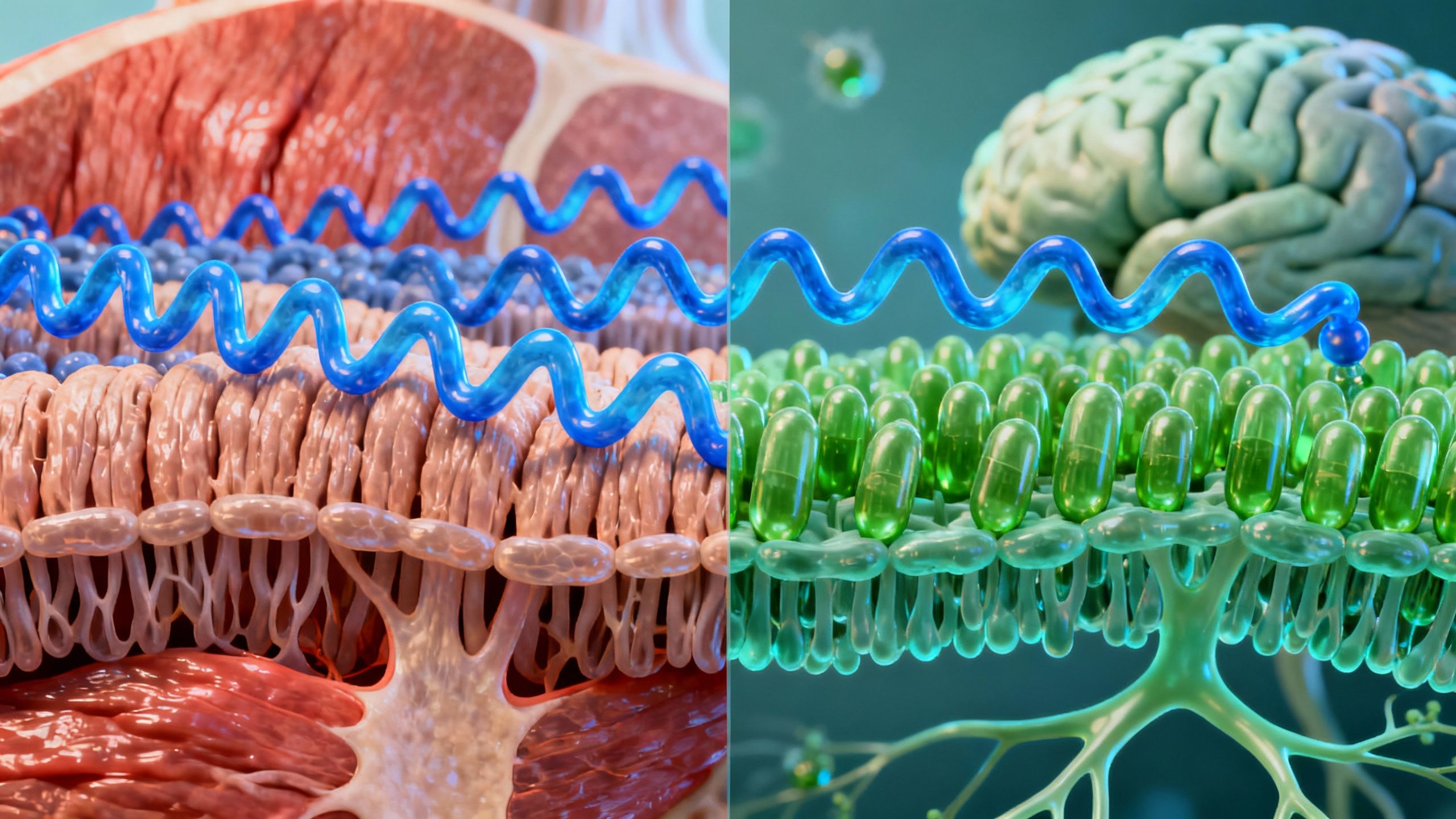
Omega-3 fatty acids act at multiple biological levels to support muscle and brain function as we age.
Muscle: Counteracting Sarcopenia
Sarcopenia is the age-related loss of muscle mass and strength. Evidence shows that:
- EPA/DHA improve muscle protein synthesis, counteracting muscle breakdown.
- N-3s reduce inflammation, a known driver of muscle degradation and impaired recovery.
- They may also enhance sensitivity to anabolic stimuli (like amino acids or resistance exercise).
Brain: Preserving Cognition
Emerging research links it to the maintenance of brain structure and function. Key mechanisms include:
- DHA is a major structural component of neuronal membranes, supporting synaptic function.
- EPA and DHA both may limit neuroinflammation, implicated in cognitive decline.
- Improved blood flow and protection against oxidative stress are additional benefits.
Evidence in Older Adults: Human Studies
Numerous randomized controlled trials and meta-analyses have examined the effects of n-3s supplementation in aging populations.
Effects on Muscle Strength and Sarcopenia
- Supplementing with 1–3 g/day of combined EPA/DHA over 6–12 months has been shown to increase muscle mass and grip strength, particularly when combined with resistance training.
- Older adults not engaging in exercise may also see modest benefits in preserving muscle function compared to placebo.
- N-3s enhance recovery after exercise and may reduce the risk of frailty-related injuries.
Effects on Cognitive Function
- Longitudinal studies associate higher intake with slower rates of cognitive decline.
- Clinical trials reveal that supplementation can improve executive function, memory, and processing speed, especially in those with low baseline n-3s status.
- Benefits are most pronounced for DHA-rich interventions and in individuals exhibiting early signs of cognitive impairment, rather than advanced dementia.

Safety, Dosage, and Practical Applications
Omega-3 fatty acids are generally well-tolerated. Typical supplemental doses studied in older adults range from 1 to 3 grams of combined EPA/DHA daily.
Safety Considerations
- Mild side effects (e.g., fishy aftertaste, gastrointestinal upset) occur in some individuals.
- High doses (>3 g/day) may increase bleeding risk, especially when combined with anticoagulant medications.
- Quality of supplements is crucial—choose purified, third-party-tested products to avoid contaminants.
Sources and Recommendations
- Food first: Fatty fish (e.g., salmon, sardines, mackerel) 2–3 times per week is recommended.
- For those with limited fish intake, supplements or algae-based omega-3s (for vegetarians) are reasonable alternatives.
- Consult your healthcare provider, particularly if you are on blood thinners or have a bleeding disorder.
Practical Tips for Maximizing Benefits
- Combine with exercise: The synergy of resistance training and omega-3s optimally supports muscle health.
- Monitor cognitive changes: Early supplementation may confer the greatest brain health benefits.
- Consider individual variability: Benefits may depend on baseline dietary intake, genetics, and health status.
For optimal results, integrate n-3s-rich foods and supplements into a comprehensive plan that addresses overall lifestyle and nutrition.
Common Questions
Do plant-based omega-3s provide similar benefits?
ALA has limited conversion to EPA and DHA; the greatest muscle and brain health effects are seen with marine-sourced EPA/DHA.
Can it be used with other supplements?
Yes, but always consult with a healthcare professional to avoid interactions, especially if on medications affecting blood clotting.
How quickly do effects appear?
Benefits to muscle and cognition accrue gradually, often requiring 3–6 months of consistent intake.
Limitations and Research Gaps
- Most studies are 6–12 months, so long-term safety and efficacy data are still emerging.
- Effects may be less pronounced in those already consuming adequate fish or with genetic variations affecting omega-3 metabolism.
- More studies in frail older adults and in those with advanced cognitive decline are warranted.
Studies / References
- Dietary omega-3 intake and physical/cognitive function in older adults: Higher dietary EPA and DHA were linked to better attention, gait speed, and other physical and cognitive measures in community-dwelling older adults with memory complaints, supporting a role for omega-3s in aging health.
https://pubmed.ncbi.nlm.nih.gov/33786562/ - Omega-3 supplementation improves muscle performance indicators: A systematic review and meta-analysis of 14 randomized clinical trials found that daily EPA + DHA supplementation (0.7–3.36 g/day) was associated with improvements in physical performance tests such as the Timed Up and Go, indicating potential benefits for muscle function in older adults.
https://pubmed.ncbi.nlm.nih.gov/33781784/ - Omega-3 and executive cognitive function: A meta-analysis of 24 clinical trials in middle-aged and older adults found trends suggesting that longer-term n-3 PUFA supplementation (≥500 mg EPA + DHA) may benefit executive cognitive functions, though results vary by outcome and baseline status.
https://bmcmedicine.biomedcentral.com/articles/10.1186/s12916-024-03296-0 - EPA + DHA RCT in cognitively healthy older adults: In a large randomized, double-blind trial, 26 weeks of EPA + DHA supplementation did not significantly change global cognitive performance compared with placebo, illustrating variability in cognitive outcomes across study designs and populations.
https://pubmed.ncbi.nlm.nih.gov/18678826/ - Serum omega-3 levels and cognitive performance: Higher circulating EPA + DHA was associated with better performance on neuropsychological tests (e.g., frontal lobe function) in older adults, indicating a relationship between omega-3 status and cognitive outcomes.
https://www.nature.com/articles/ejcn201659
Conclusion: The Value of Omega-3 Fatty Acids in Older Adults
The evidence strongly supports a beneficial role for omega-3 fatty acids in promoting both muscle strength and cognitive function during aging. Whether aiming for sarcopenia prevention, supporting memory, or enhancing quality of life, omega-3s offer a practical and generally low-risk intervention.
Consistent intake—through a combination of diet and high-quality supplements—paired with active lifestyle choices, can make a measurable difference in maintaining independence and well-being throughout the lifespan.
For further information on integrating omega-3s and other nutritional interventions into your aging plan, read this article.