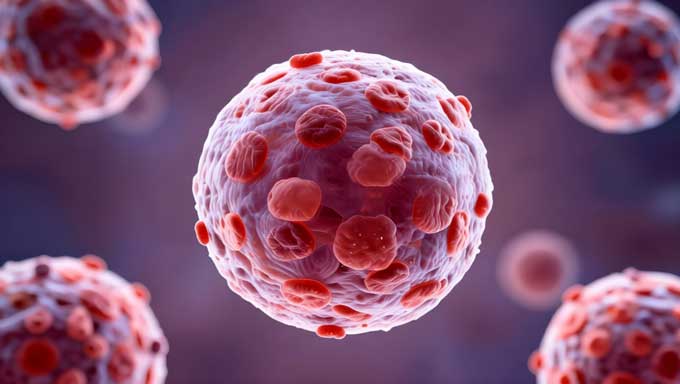

Aging is an inevitable process, but emerging evidence shows that our nutrition choices have profound effects on how we age. From maintaining optimal physical and cognitive function to supporting resilience against chronic age-related diseases, nutrition is a cornerstone of healthy aging. In this comprehensive article, we explore how targeted nutritional strategies—incorporating anti-aging nutrients, peptides for muscle health, omega-3s, and adequate protein—can help optimize longevity and quality of life as we age.
Understanding Nutrition and Aging
Aging comes with predictable physiological changes—reduced muscle mass, slower metabolism, altered hormone levels, declining bone density, and increased risk for chronic ailments. These changes are influenced not only by genetics but also—importantly—by modifiable lifestyle factors, with nutrition playing a leading role. “Nutrition aging” refers to the relationship between our dietary patterns and the trajectory of our aging process.
How Does Aging Affect Nutritional Needs?
- Reduced appetite and energy needs can occur, but nutrient requirements remain high or even increase.
- Absorption of vitamins and minerals such as vitamin B12, calcium, and vitamin D decreases with age.
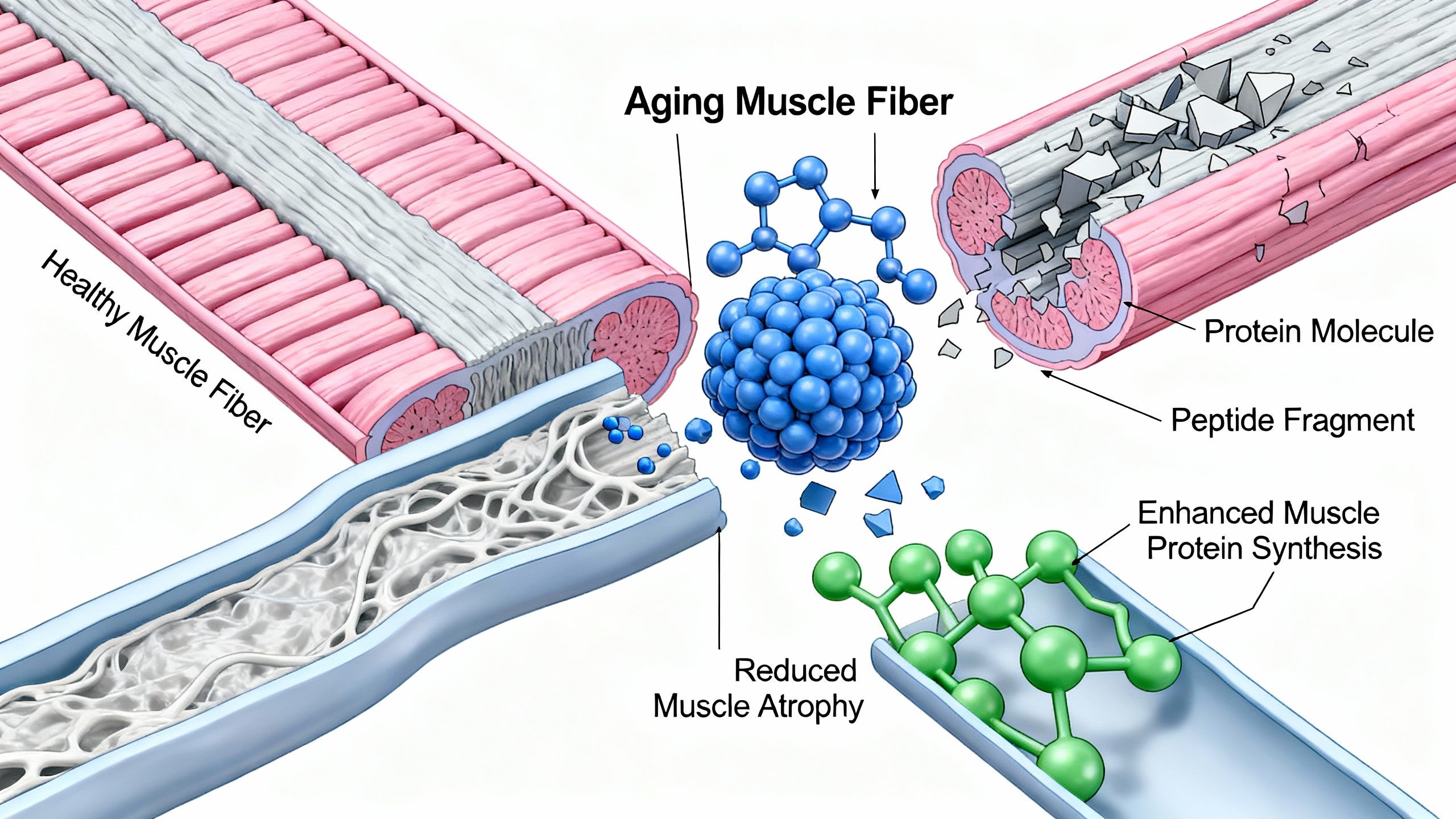
- Muscle mass naturally declines (sarcopenia), increasing the importance of quality protein and specific nutrients.
Key Nutritional Strategies for Healthy Aging
Adopting dietary interventions can make a tangible difference in promoting vitality and reducing disease risk across the lifespan.
1. Protein for Muscle Maintenance
Maintaining muscle mass is crucial for mobility, metabolic health, and independence in older adults. Research suggests that:
- Protein requirements are higher for older adults, ideally 1.0–1.2 grams per kilogram of body weight per day.
- Spreading protein intake evenly across meals supports better muscle synthesis.
- High-quality sources include lean meats, eggs, dairy, legumes, and, when needed, supplements.
The Role of Peptides in Muscle Health
Peptides—short chains of amino acids—are being studied as targeted interventions to support muscle health. Some peptides may signal muscle regeneration and repair, especially when combined with exercise and sufficient dietary protein.
Example: MOTS-c and BPC-157 peptides have shown promise in preclinical models and early human research for muscle and mitochondrial support.
2. Anti-Aging Nutrients: Supporting Body and Mind
Certain nutrients have emerged as particularly valuable for anti-aging effects, both physically and cognitively:
Omega-3 Fatty Acids
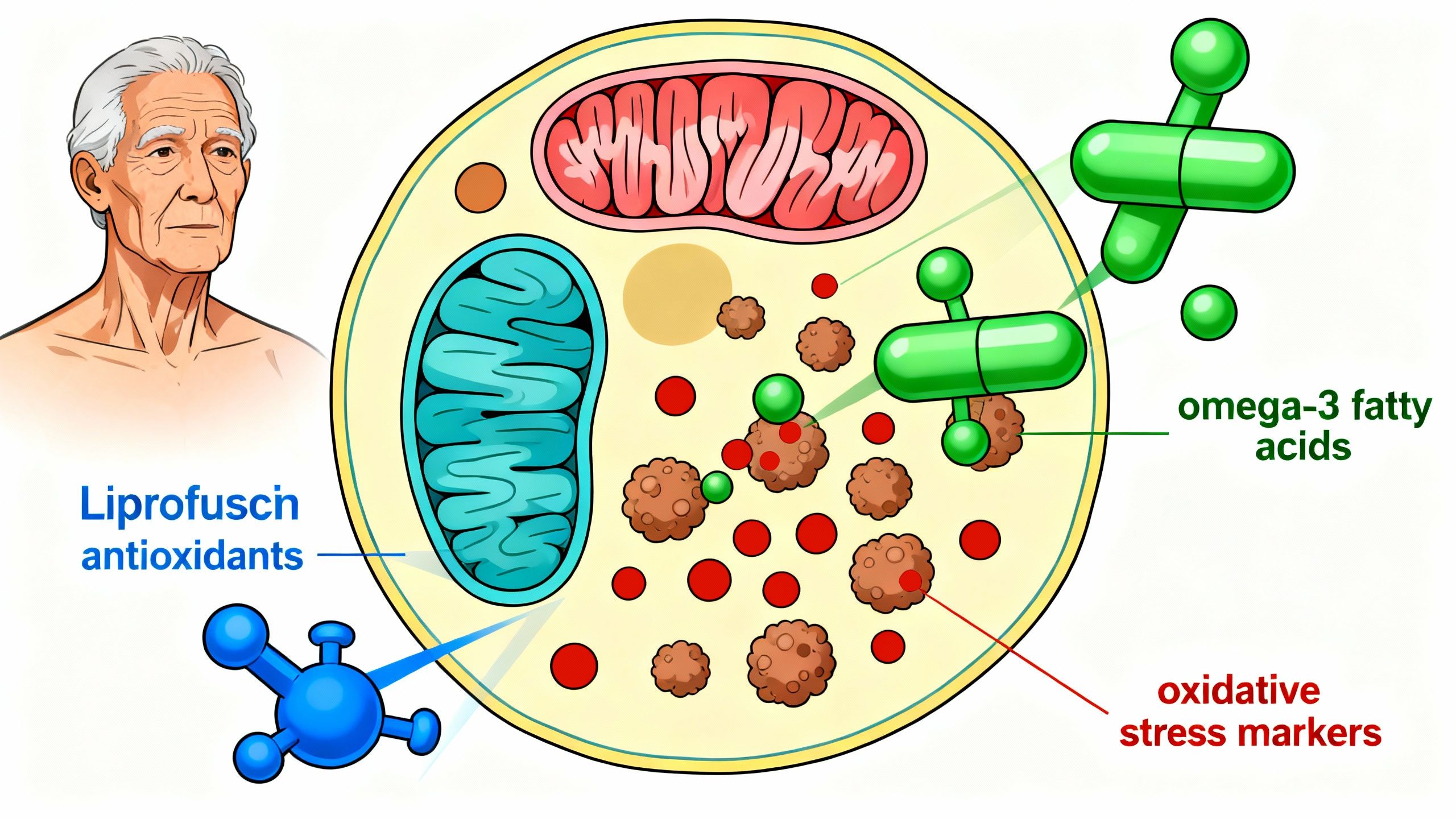
- EPA and DHA (found in fatty fish) may reduce inflammation, support brain health, and lower cardiovascular risk.
- Aiming for two servings/week of fatty fish or supplementing with high-quality omega-3s can help meet needs.
Antioxidants and Carotenoids
- Lutein and zeaxanthin are carotenoids found in leafy greens and are linked to eye health and reduced risk of macular degeneration.
- Polyphenols in colorful fruits and vegetables act as cell-protective antioxidants.
Vitamin D and Calcium
- Both nutrients are essential for maintaining strong bones, with increasing needs as we age due to reduced absorption.
- Sunlight, fortified foods, and supplements can help older adults reach recommended intakes.
B Vitamins
- Key for energy metabolism and neurological health.
- Older adults may be at higher risk for deficiencies, particularly in B12 due to absorption issues.
3. Dietary Patterns that Promote Longevity
Large epidemiological studies highlight diet patterns tied to healthy aging outcomes:
Mediterranean Diet
- Rich in vegetables, fruits, whole grains, nuts, olive oil, and moderate fish intake.
- Consistently associated with reduced risk of heart disease, cognitive decline, and mortality.
DASH Diet
- Emphasizes fruits, vegetables, low-fat dairy, whole grains, and limited sodium.
- Shown to support healthy blood pressure and cardiovascular health, both key in aging.
Plant-Forward Approaches
- Increased plant intake brings fiber, vitamins, minerals, and phytonutrients.
- Fiber is especially important for gut health, metabolism, and lowering disease risk.
Mechanisms: How Nutrition Impacts Aging Biology
Modern research is unraveling the biological pathways through which nutrition affects aging rate and resilience. These mechanisms include:
- Reducing oxidative stress: Antioxidants combat free radicals that contribute to age-related tissue damage.
- Modulating inflammation: Chronic low-grade inflammation accelerates aging; omega-3s and certain phytonutrients are anti-inflammatory.
- Promoting autophagy: Strategies like intermittent fasting (with professional guidance) stimulate cellular “cleanup” processes.
- Supporting metabolic and mitochondrial health: Adequate protein, peptides, and micronutrients all play roles in maintaining energy production at the cellular level.
Special Considerations: Supplements, Bioactives, and Peptides for Aging
Supplements
While whole foods are the best nutrient sources, targeted supplements can help individuals at risk for specific deficiencies. Medical guidance is crucial before adding new supplements, especially in older adults who may have comorbidities or take other medications.
Common evidence-based supplements for older adults:
- Vitamin D (especially with low sun exposure)
- B12 (for those with absorption issues)
- Omega-3s (for low fish intake)
- Calcium (when dietary intake is insufficient)
Bioactive Compounds
Compounds such as polyphenols (from berries, tea, and dark chocolate) are being studied for their cell-protective and anti-inflammatory effects. Human trials support their role in cardiovascular and cognitive health.
Peptides for Muscle and Mitochondrial Health
Early human evidence is accumulating on peptides like BPC-157 and MOTS-c for muscle tissue repair and mitochondrial function. These agents may, in the future, offer adjunctive benefits in clinical settings or for those experiencing age-related muscle loss. Robust, large-scale human trials are still needed.
Putting It All Together: Practical Strategies for Nutritional Aging
- Aim for a diet rich in whole foods: Prioritize vegetables, fruits, whole grains, high-quality proteins, and healthy fats.
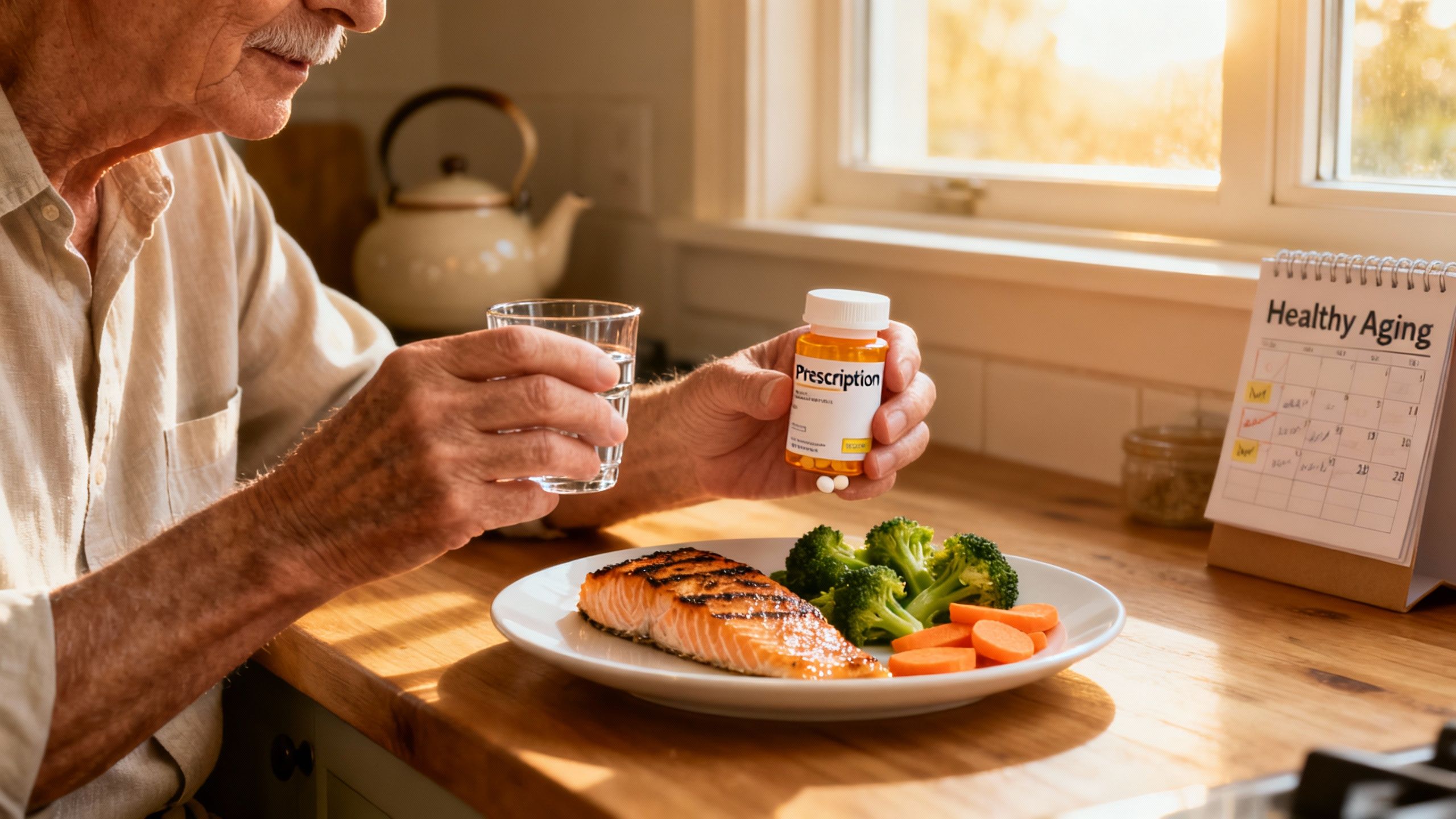
- Include at least two servings of fatty fish weekly or discuss omega-3 supplementation with your healthcare provider.
- Maintain an even protein intake across all meals to support muscle health, considering reputable peptide therapies as research evolves.
- Focus on anti-aging nutrients: Include colorful produce and nutrient-dense foods high in antioxidants, fiber, and essential vitamins/minerals.
- Address unique needs: Consider targeted supplementation for vitamin D, B12, or calcium as recommended.
- Monitor muscle mass and body composition, not just weight, as you age.
- Consult medical professionals before beginning any new supplement, peptide, or significant dietary change.
Common Myths and Realistic Expectations
- No single “superfood” or supplement can halt aging.
- Benefits are cumulative: Consistency and long-term dietary patterns matter more than isolated choices.
- Peptides and bioactives are not miracle cures: While promising, these require more human research to clarify potency, dosing, and long-term safety.
- Individual needs vary: Genetics, lifestyle, medical history, and personal goals affect optimal nutrition strategies for aging.
Studies / References
1. Mediterranean Diet and Aging Outcomes: A longitudinal study found that greater adherence to a Mediterranean dietary pattern in adults aged 60+ was associated with lower risk of frailty, cognitive decline, and all-cause mortality, suggesting diet quality impacts healthy aging. https://pubmed.ncbi.nlm.nih.gov/31272195/
2. Protein Intake and Muscle Health: A randomized controlled trial in older adults showed that higher daily protein consumption (~1.2–1.5 g/kg) over 12 months improved muscle strength and reduced loss of lean body mass compared with standard intake. https://pmc.ncbi.nlm.nih.gov/articles/PMC7996767/
3. Omega-3 Fatty Acids and Cognitive Function: In a double-blind, placebo-controlled trial, older adults receiving EPA/DHA supplements demonstrated slower cognitive decline on standardized tests, particularly those with low initial omega-3 levels. https://pmc.ncbi.nlm.nih.gov/articles/PMC11630619/
4. B12 Supplementation and Neurological Health: A cohort study of older adults with mild B12 deficiency found that one year of B12 supplementation improved nerve function markers and was linked to slower cognitive deterioration. https://pmc.ncbi.nlm.nih.gov/articles/PMC12568389/
5. Peptides in Muscle or Tissue Recovery (Pilot): Early human data from a preliminary trial indicate that peptide-based interventions may support tissue healing and mobility outcomes in older adults after surgical or inflammatory injury. https://pmc.ncbi.nlm.nih.gov/articles/PMC11426299/
Conclusion
Nutritional choices are a powerful, modifiable foundation for healthy aging. A deliberate focus on protein, anti-aging nutrients, and emerging compounds like peptides supports muscle, brain, and metabolic health—key domains impacted by the aging process. While no intervention can stop time, evidence strongly supports that strategic nutrition can enhance vitality, independence, and quality of life as we age. For personalized advice, always collaborate with qualified healthcare professionals knowledgeable about nutrition aging and age-related needs.