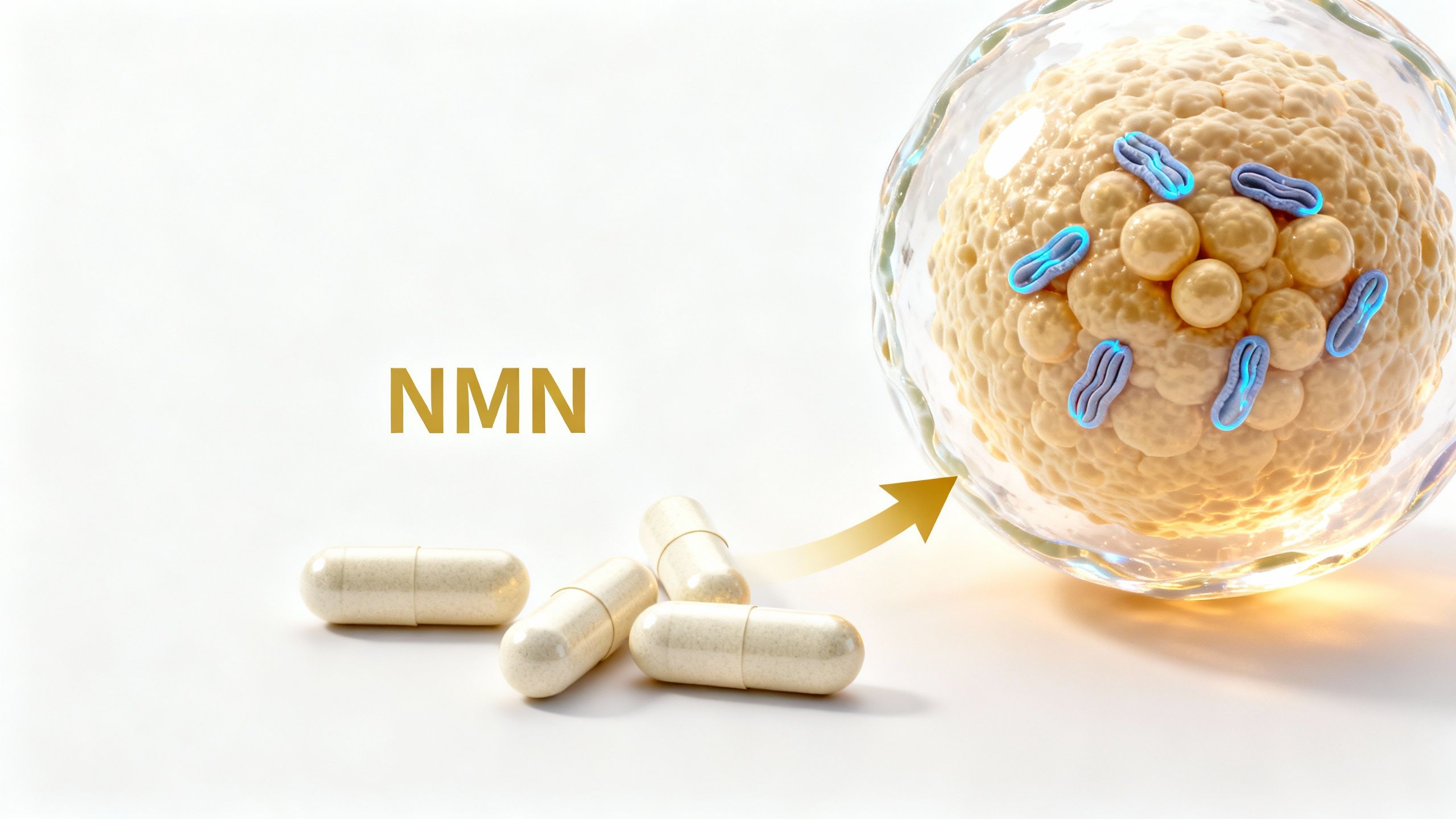

NMN (Nicotinamide Mononucleotide) has emerged as a prominent topic in aging research and longevity interventions. As an NAD+ precursor, it is believed to play a critical role in maintaining cellular health, supporting metabolic function, and potentially influencing the aging process. This article delivers a comprehensive, evidence-based overview of NMN—focusing on human research, mechanisms of action, safety, and the current state of knowledge regarding supplementation for aging and health.
Introduction to NMN and Its Role in the Body
Nicotinamide mononucleotide is a naturally-occurring molecule found in all living cells. It acts as a key intermediate in the biosynthesis of nicotinamide adenine dinucleotide (NAD+), an essential coenzyme involved in over 500 enzymatic reactions. NAD+ plays a crucial role in:
- Cellular energy production
- DNA repair
- Gene expression regulation
- Maintenance of mitochondrial function
However, NAD+ levels decline with age. Reduced NAD+ has been linked to cellular dysfunction, metabolic decline, and age-related diseases.
Why Is it Important for Aging?
With age, the body’s ability to produce and recycle NAD+ diminishes—contributing to signs of biological aging. NMN supplementation is investigated as a way to restore NAD+ and bolster healthy cellular and organ function. This interest has fueled clinical research on it for aging, metabolic health, and age-related degeneration.
NMN and NAD+ Supplementation: Mechanistic Insights
How Does it Work?
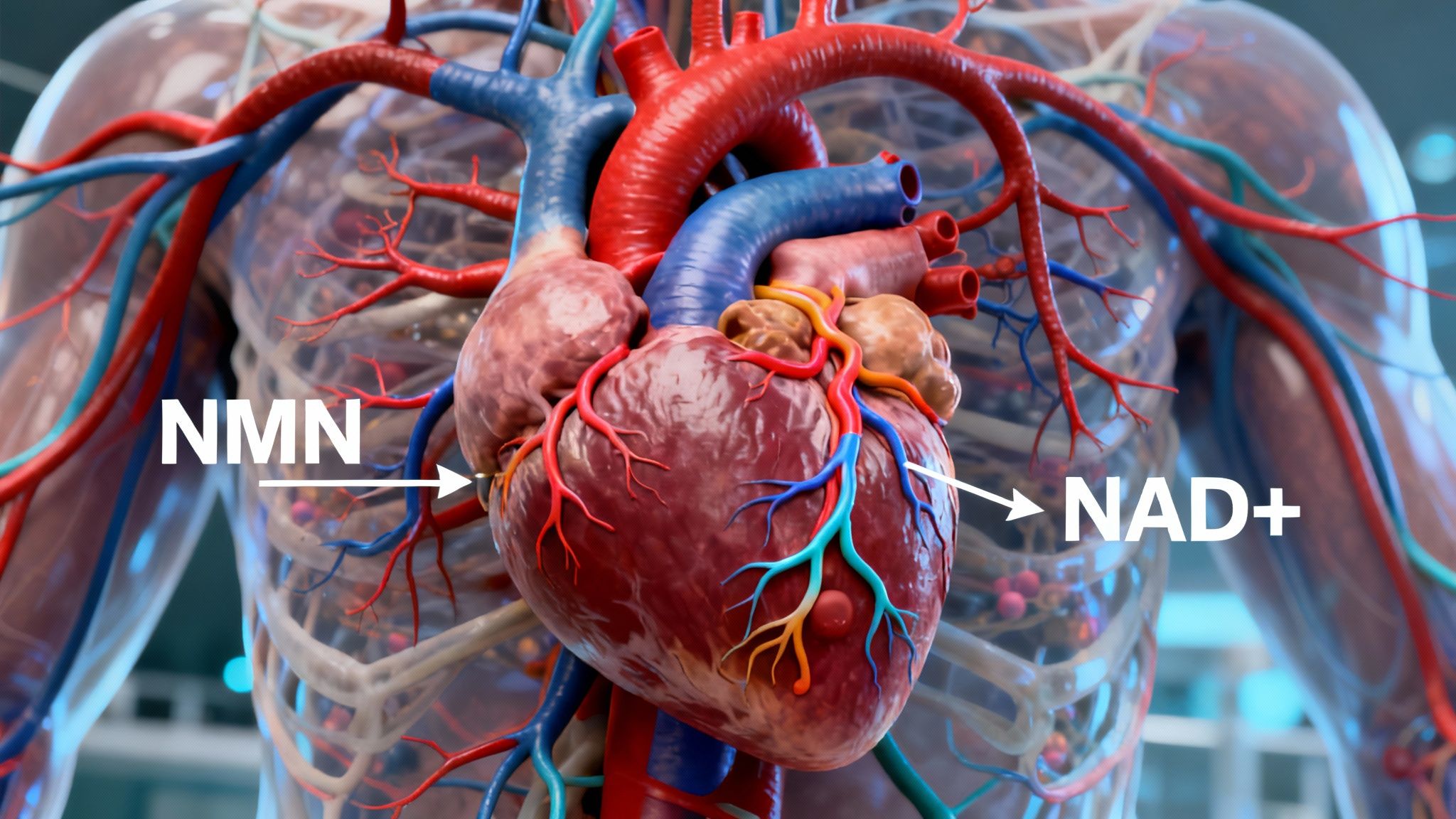
NMN is absorbed in the gut and rapidly converted into NAD+ inside cells. Increased availability of NAD+ supports a cascade of cellular processes, including:
- Energy production: NAD+ is required for mitochondrial oxidative phosphorylation, the process by which cells generate ATP.
- Sirtuin activation: Sirtuins are enzymes that regulate gene expression, DNA repair, and stress resistance, all of which are NAD+ dependent.
- DNA repair: NAD+ helps activate enzymes (PARPs) that repair cellular DNA damage.
NMN supplementation aims to replenish the body’s stores of NAD+, with the goal of supporting these crucial physiological pathways.
Aging and Muscle Health
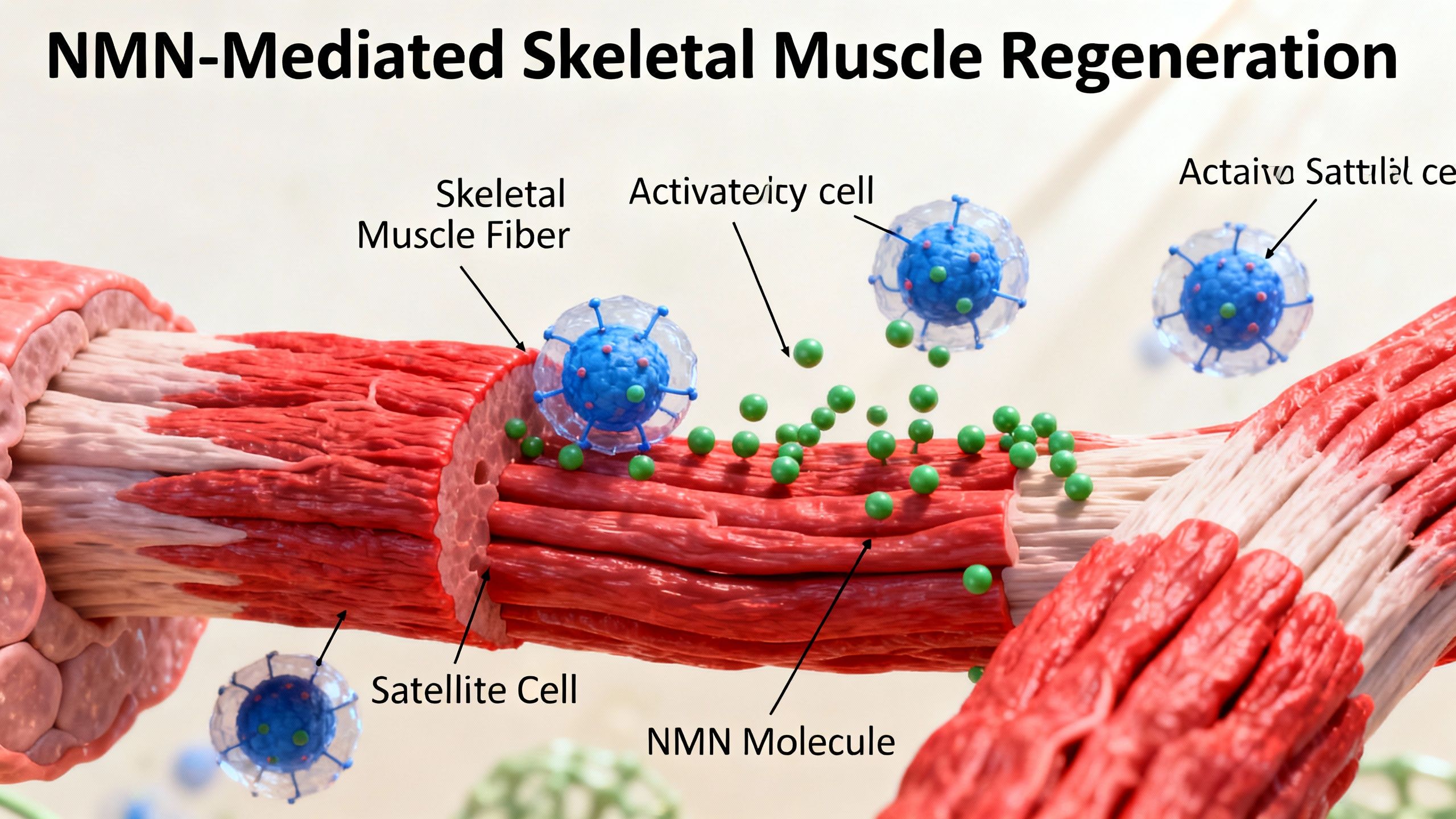
Recent interest has focused on the relationship between NMN and aging, particularly its effects on muscle function. Lower NAD+ availability is associated with muscle weakness, fatigue, and impaired regenerative capacity in older adults. Several clinical studies have begun to examine whether supplementing with NMN can counteract these changes.
Human Evidence for NMN Supplementation
Although much excitement about NMN originated from animal research, the last five years have seen a growth in human clinical trials. Below we outline the current state of human evidence, focusing on key areas: metabolic health, muscle function, and general safety.
Metabolic Health and Glucose Regulation
Randomized controlled trials suggest that NMN may improve indicators of metabolic health, such as insulin sensitivity and glucose tolerance, in both healthy and prediabetic adults. Effects appear to be more significant in individuals with impaired glucose metabolism or age-related declines in NAD+ levels.
Muscle Performance and Physical Function
Small pilot studies have reported that NMN supplementation can modestly improve muscle strength, endurance, and performance in older adults—though these results remain preliminary and are not universally replicated across all trials.
Cardiovascular Health
Early indications suggest NMN might benefit vascular health by supporting endothelial function. Some trials observe improved arterial flexibility or reduced stiffness in midlife or older populations taking it.
Human Safety and Tolerability
What Do Clinical Trials Report?
- Dosing: Human studies typically use doses ranging from 250 mg to 1,200 mg per day.
- Side effects: NMN appears to be well tolerated in short- and medium-term trials (up to 24 weeks), with minimal adverse events. Most common side effects are mild (e.g., nausea, flushing, gastrointestinal discomfort).
No major adverse events or toxicities have yet been reported in published human studies. However, long-term safety data is lacking, and potential drug interactions remain incompletely explored.
Interactions and Precautions
- Polypharmacy: Elderly individuals commonly use medications. NMN’s interactions with drugs modulating metabolism (e.g., anti-diabetic, anti-hypertensive agents) are not well studied.
- Cancer Risk: Since NAD+ plays a role in cell replication and repair, theoretical risks in individuals with a cancer history have been raised, though no direct clinical evidence exists.
Always consult a healthcare provider before starting NMN or any supplement—especially if you have chronic conditions or take prescription medications.
Practical Applications: Who Might Benefit from it?
Though marketed widely, evidence for benefits is strongest in a few specific populations:
- Older adults experiencing fatigue or loss of muscle strength (see more on biomarkers of aging)
- People with metabolic syndrome, prediabetes, or early-stage type 2 diabetes
- Individuals interested in proactive aging interventions
Current evidence does NOT support widespread NMN use in healthy young adults.
Strengths and Limitations of Current Research
| Strengths | Limitations |
|---|---|
| Human randomized, placebo-controlled trials | Small sample sizes and short durations |
| Several endpoints: metabolic, vascular, muscle | Lack of diversity (mostly healthy Asians) |
| Multiple dosing regimens tested | Few studies over 6 months in duration |
| Safety well characterized short-term | Long-term and rare side-effects unknown |
Beyond NMN: The NAD+ Supplementation Landscape
NMN is one of several compounds studied for their ability to enhance NAD+ availability. Others include nicotinamide riboside (NR), niacin, and certain lifestyle interventions (exercise, caloric restriction). Each approach may have unique advantages and limitations in efficacy, absorption, and risk profile.
For more science on these strategies, explore our articles on inflammation in aging.
NMN in the Context of Healthy Aging and Disease Prevention
Boosting NAD+ levels via NMN supplementation is positioned as a strategy for:
- Promoting cellular resilience and DNA stability
- Supporting muscle regeneration and performance
- Improving or maintaining metabolic health across the lifespan
Yet, it is crucial to emphasize that it should not be seen as a magic bullet or substitute for evidence-based lifestyle interventions like physical activity and a nutrient-dense diet.
Key Takeaways: What Can We Say About it So Far?
- NMN is an NAD+ precursor being actively studied for its potential to support cellular and metabolic health, mainly in the context of aging.
- Short-term supplementation appears safe and may offer benefits for metabolic function and possibly muscle health in older or metabolically compromised adults.
- Evidence is preliminary, and widespread, long-term use for “anti-aging” is not yet scientifically supported.
- Consumers should be cautious, seek medical advice, and weigh the credibility of product claims.
Studies / References
- Chronic NMN Supplementation Elevates NAD+ and May Improve Muscle Function
Igarashi et al. — Oral supplementation (250 mg/day) in healthy older men increased blood NAD+ levels and produced modest improvements in gait speed and grip strength in a randomized, placebo‑controlled study.
https://pubmed.ncbi.nlm.nih.gov/35927255/ - NMN Increases NAD+ and Enhances Physical Function in Middle‑Aged Adults
Yi et al. — In a randomized, dose‑dependent trial, NMN (300–900 mg/day for 60 days) significantly increased blood NAD+ levels and improved six‑minute walk distance, suggesting enhanced physical performance.
https://pubmed.ncbi.nlm.nih.gov/36482258/ - NMN Supplementation Effects on Metabolic Health & Arterial Stiffness
A 12‑week randomized, double‑blind, placebo‑controlled trial found that it elevated serum NAD+ metabolites and tended to reduce arterial stiffness, without major adverse events.
https://pubmed.ncbi.nlm.nih.gov/36797393/ - Safety of Repeated Oral NMN Administration in Adults
Sato et al. — In a randomized, placebo‑controlled study, oral β‑NMN (up to 1250 mg/day for four weeks) was well‑tolerated in healthy adults, with no significant safety concerns reported.
https://pubmed.ncbi.nlm.nih.gov/36002548/ - Systematic Review & Meta‑Analysis of NMN’s Impact
Effects of Nicotinamide Mononucleotide Supplementation on Muscle and Liver Functions in Middle‑Aged and Elderly: Aggregates evidence from multiple RCTs showing mixed outcomes on muscle, liver, and metabolic endpoints.
https://pubmed.ncbi.nlm.nih.gov/39185644/
Conclusion
NMN stands at the intersection of transformative aging science and the promise of NAD+ supplementation. While the compound delivers on its mechanistic rationale and shows early human benefit, the evidence base is still evolving. Use it knowledgeably—with attention to current limitations and safety considerations—as part of a broader approach to healthy aging.