

Aging brings many changes to the human body, but perhaps the most profound are those that occur in the brain. As countless individuals and families know too well, neurodegeneration — the progressive loss of structure or function of neurons — underlies a range of aging-related conditions, from normal cognitive decline to devastating diseases like Alzheimer’s. This article reviews the biological underpinnings, evidence from human studies, and emerging therapeutic strategies for preserving brain function across the lifespan.
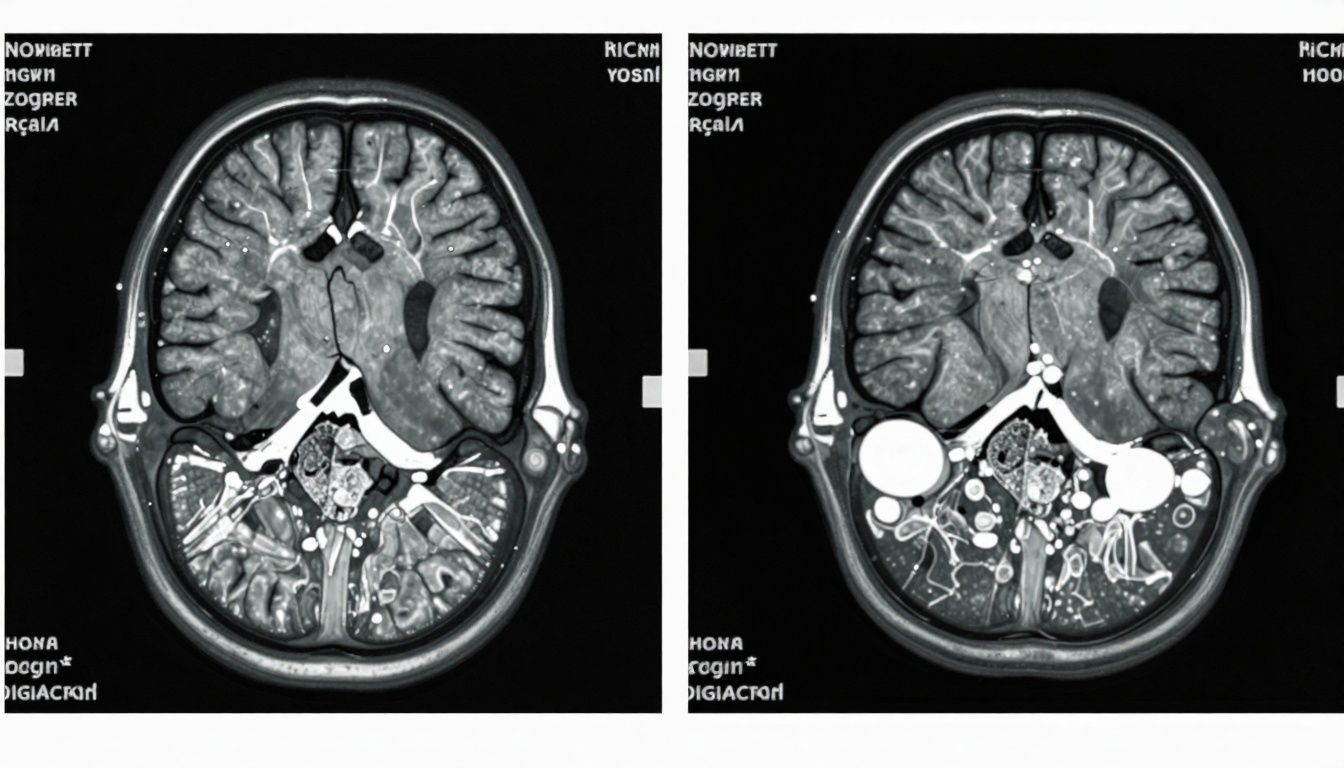
Understanding Neurodegeneration: A Biological Overview
Neurodegeneration refers to the progressive deterioration of nerve cells (neurons), particularly in the central nervous system. It is a key driver of age-associated cognitive changes. While a degree of cognitive decline in aging is normal, neurodegeneration is also responsible for the pathology seen in diseases such as Alzheimer’s, Parkinson’s, and Lewy body dementia.
Key Mechanisms Driving Neurodegeneration
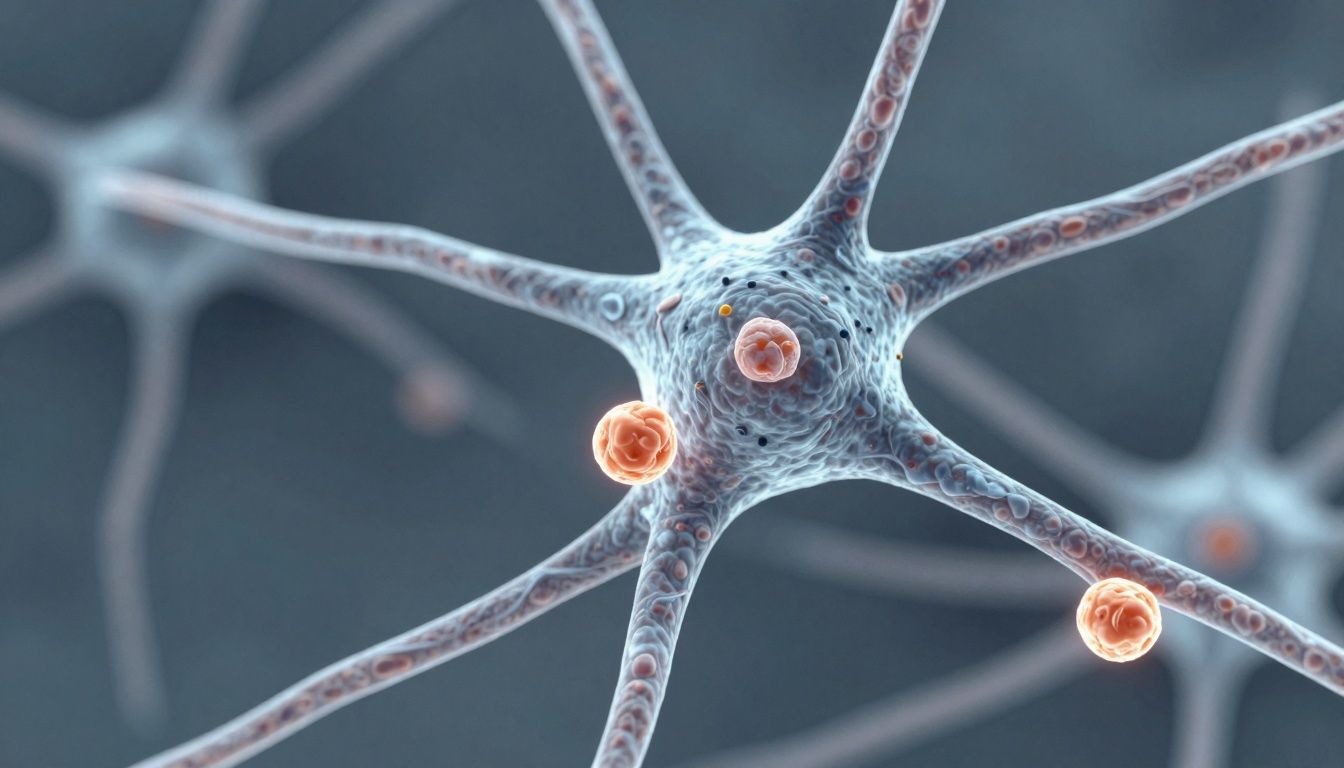
- Protein Misfolding and Aggregation: Abnormal accumulation of proteins like amyloid-beta and tau disrupts neural communication and triggers cell death.
- Mitochondrial Dysfunction: Declining energy production in neurons impairs cellular maintenance and repair.
- Neuroinflammation: Chronic, low-grade inflammation accelerates neuronal damage.
- Oxidative Stress: Accumulation of oxidants exceeds the brain’s natural antioxidant defenses, damaging DNA, proteins, and lipids.
- Impaired Neurogenesis: Reduced production of new neurons in the hippocampus contributes to memory impairment.
Normal Cognitive Decline vs. Neurodegenerative Disease
It’s essential to distinguish between typical cognitive decline in aging and clinically significant neurodegenerative disorders. Cognitive functions such as processing speed, memory recall, and executive functioning may decline with age, but this process is typically gradual and does not significantly interfere with daily life.
In contrast, neurodegenerative diseases like Alzheimer’s involve:
- Profound memory loss that disrupts daily living
- Difficulty planning or solving problems
- Confusion with time or place
- Trouble understanding visual images or spatial relationships
- Personality or mood changes
Epidemiology: How Common Is Neurodegeneration in Aging?
- Mild Cognitive Impairment (MCI): Affects up to 20% of people over 65.
- Alzheimer’s Disease: The most common dementia, affecting an estimated 10% of people over 65.
- Parkinson’s Disease & Other Disorders: Prevalence increases significantly with age, though they are less common than Alzheimer’s.
The risk of neurodegeneration rises with age, genetics (e.g., APOE4 status), and certain lifestyle factors.
Risk Factors for Pathological Neurodegeneration
- Age: The strongest risk factor.
- Genetics: Family history, certain gene variants (APOE4, MAPT).
- Cardiovascular Health: Hypertension, diabetes, high cholesterol.
- Lifestyle: Sedentary behavior, poor diet, smoking, excessive alcohol use.
- Chronic Stress: Raises neuroinflammation and oxidative stress.
Protective factors include lifelong learning, social engagement, physical activity, and a diet rich in antioxidants and omega-3 fatty acids.
Research Advances: Mechanisms and Modifiable Factors
Recent research suggests that neurodegeneration is a multifactorial process, influenced by both non-modifiable (genetic, age) and modifiable (lifestyle, comorbidities) factors. Human studies increasingly explore how targeted interventions can slow or even partially reverse cognitive decline in aging.
The Role of Peptides and Neuroprotective Compounds
A growing field of research investigates peptides for neuroprotection and other advanced compounds for their potential to support aging brains:
- Cerebrolysin: A peptide mixture with neurotrophic and neuroprotective effects demonstrated in several human studies to support cognitive function in moderate Alzheimer’s and vascular dementia.
- Noopept: A nootropic dipeptide that may enhance cognitive performance and memory in aging adults with mild cognitive impairment. Small RCTs highlight improved attention and verbal recall.
- Semax: A synthetic peptide shown to increase neurotrophic factors and potentially stabilize cognitive function, most studied in Eastern Europe for post-stroke cognitive recovery and neuropathies.
Table: Key Peptides and Their Mechanisms
| Compound | Proposed Mechanism | Human Evidence | Safety Profile |
|---|---|---|---|
| Cerebrolysin | Enhances neurotrophic signaling, reduces oxidative stress, supports synaptic plasticity | Supported in mild-to-moderate AD and vascular dementia | Well-tolerated, mild side effects |
| Noopept | Improves neurogenesis, modulates cholinergic transmission | Small studies in MCI, cognitive symptoms | Generally well-tolerated |
| Semax | Increases BDNF, modulates inflammation | Some evidence in post-stroke, neuropathies | No major adverse effects reported |
Caution: While promising, most peptides require larger, rigorously designed human trials before routine clinical use can be recommended, especially for long-term prevention of cognitive decline in aging.
Lifestyle Interventions for Mitigating Cognitive Decline in Aging
Accumulating evidence supports a multimodal approach to maintaining brain health as we age. Key strategies, derived from large human cohort and intervention studies, include:
1. Physical Activity
- Regular aerobic and resistance exercise is linked to improved executive functioning and memory.
- Exercise stimulates neurogenesis and increases brain-derived neurotrophic factor (BDNF).
2. Cognitive Engagement
- Activities such as reading, puzzles, or learning new skills reduce the risk of cognitive decline.
- Social interaction and lifelong learning are critical.
3. Nutrition
- Diets rich in fruits, vegetables, whole grains, fish, and healthy fats (e.g., Mediterranean diet) may reduce neurodegeneration risk.
- Specific nutrients: omega-3 fatty acids, antioxidants, and polyphenols show promise in cognitive protection.
4. Cardiovascular Risk Management
- Controlling blood pressure, cholesterol, and blood glucose lowers vascular contributions to neurodegeneration.
5. Sleep Hygiene
- 7–8 hours of quality sleep nightly enhances memory consolidation and reduces amyloid buildup.
No single lifestyle intervention can fully prevent neurodegeneration, but a combined approach may dramatically lower risk or delay the onset of cognitive decline in aging.
Emerging Therapies and Clinical Trials
Ongoing research is exploring:
- Amyloid- and tau-targeting therapies (monoclonal antibodies)
- Senolytic drugs to clear senescent cells
- Gene therapies addressing rare genetic causes
- Peptides and small molecules for neuroprotection
For recent advances and ongoing studies, see our page on clinical trials in age-related degenerative conditions.

Addressing Individual Variability
Not all individuals experience cognitive decline in aging at the same rate. Inter-individual variability is influenced by genetics, life experience, educational attainment, co-morbid conditions, and access to medical care.
- Precision medicine is likely to tailor future interventions, including targeted use of peptides for neuroprotection or disease-modifying treatments.
- Assessment tools such as genetic risk scoring and advanced imaging might soon guide more personalized prevention strategies.
Practical Advice for Healthy Cognitive Aging
- Stay physically and mentally active
- Eat a balanced, brain-healthy diet
- Maintain regular social engagement
- Manage cardiovascular risk factors aggressively
- Prioritize quality sleep
- Remain open to participating in clinical research
See our overview of aging mechanisms and sarcopenia explained for broader insights into systemic aging.
Studies / References
- Cerebrolysin randomized controlled trials in mild‑to‑moderate Alzheimer’s disease — A meta‑analysis of six randomized, double‑blind, placebo‑controlled clinical trials evaluated Cerebrolysin (typically 30 mL/day) in patients with mild‑to‑moderate Alzheimer’s disease. Results showed significant improvements in cognitive function and global clinical outcomes at 4 weeks and trends toward benefits at 6 months compared with placebo, with a safety profile similar to placebo. https://pubmed.ncbi.nlm.nih.gov/25832905/
- Cerebrolysin efficacy and tolerability in dementia clinical trials — Randomized clinical studies in patients with Alzheimer’s disease and vascular dementia demonstrate that Cerebrolysin, a neurotrophic peptide preparation, improved cognitive and global clinical measures compared with placebo in multiple trials. Cerebrolysin was generally well tolerated, though longer‑term studies are still needed to refine its therapeutic role. https://pubmed.ncbi.nlm.nih.gov/22514793/
- Cerebrolysin’s multimodal action in Alzheimer’s disease — A clinical review of Cerebrolysin summarizes decades of clinical use and trial evidence indicating that Cerebrolysin’s neurotrophic‑like activity may support cognition and functional outcomes in Alzheimer’s disease patients, often in combination with cholinergic drugs. https://pubmed.ncbi.nlm.nih.gov/32808294/
- Cerebrolysin for vascular dementia — A Cochrane systematic review identified multiple randomized controlled trials of Cerebrolysin in vascular dementia, with overall evidence suggesting potential cognitive benefits and improvements in global function in mild‑to‑moderate cases, though limitations include trial heterogeneity and short follow‑up durations. https://pubmed.ncbi.nlm.nih.gov/23440834/
- Noopept clinical data in cognitive impairment — An open prospective clinical study of Noopept in patients with cognitive impairment following stroke showed that daily Noopept (20 mg) was associated with improvements in cognitive performance over two months compared with controls, with a favorable safety profile, though larger trials are needed to confirm these findings. https://pubmed.ncbi.nlm.nih.gov/22500312/
Conclusion
Neurodegeneration is a complex, multifaceted process — not an inevitable part of aging. Understanding its mechanisms, identifying modifiable risk factors, and acting on evidence-based lifestyle and, potentially, emerging neuroprotective compounds (such as Cerebrolysin, Noopept, and Semax) offer promising avenues to support healthy cognitive aging. While much research is still needed, individuals and clinicians alike can take proactive steps to preserve brain health throughout life.