
Aging often brings a decline in muscle mass and strength, a challenge medically termed sarcopenia. Maintaining muscle health in older adults is crucial not only for mobility and independence, but also for metabolic health and overall quality of life. Among the innovative approaches explored for combatting age-related muscle loss, Ipamorelin, a selective growth hormone secretagogue, is emerging as a noteworthy candidate. This article explores the science of Ipamorelin, human research on its effects, mechanisms of action, safety considerations, and its potential role as a muscle-building peptide for seniors seeking effective solutions.
Understanding Muscle Loss with Age
The Biology of Age-Related Muscle Loss
- Sarcopenia refers to the gradual reduction in muscle mass, strength, and function that accompanies aging.
- After the age of 30, adults can lose as much as 3%–8% of muscle mass per decade.
- Contributing factors include hormonal changes (decreases in growth hormone, testosterone, and IGF-1), reduced physical activity, inflammatory signaling, and protein synthesis decline.
Consequence:
- Increased risk of falls, frailty, metabolic disorders, and diminished independence.
Strategies for Muscle Preservation in Older Adults
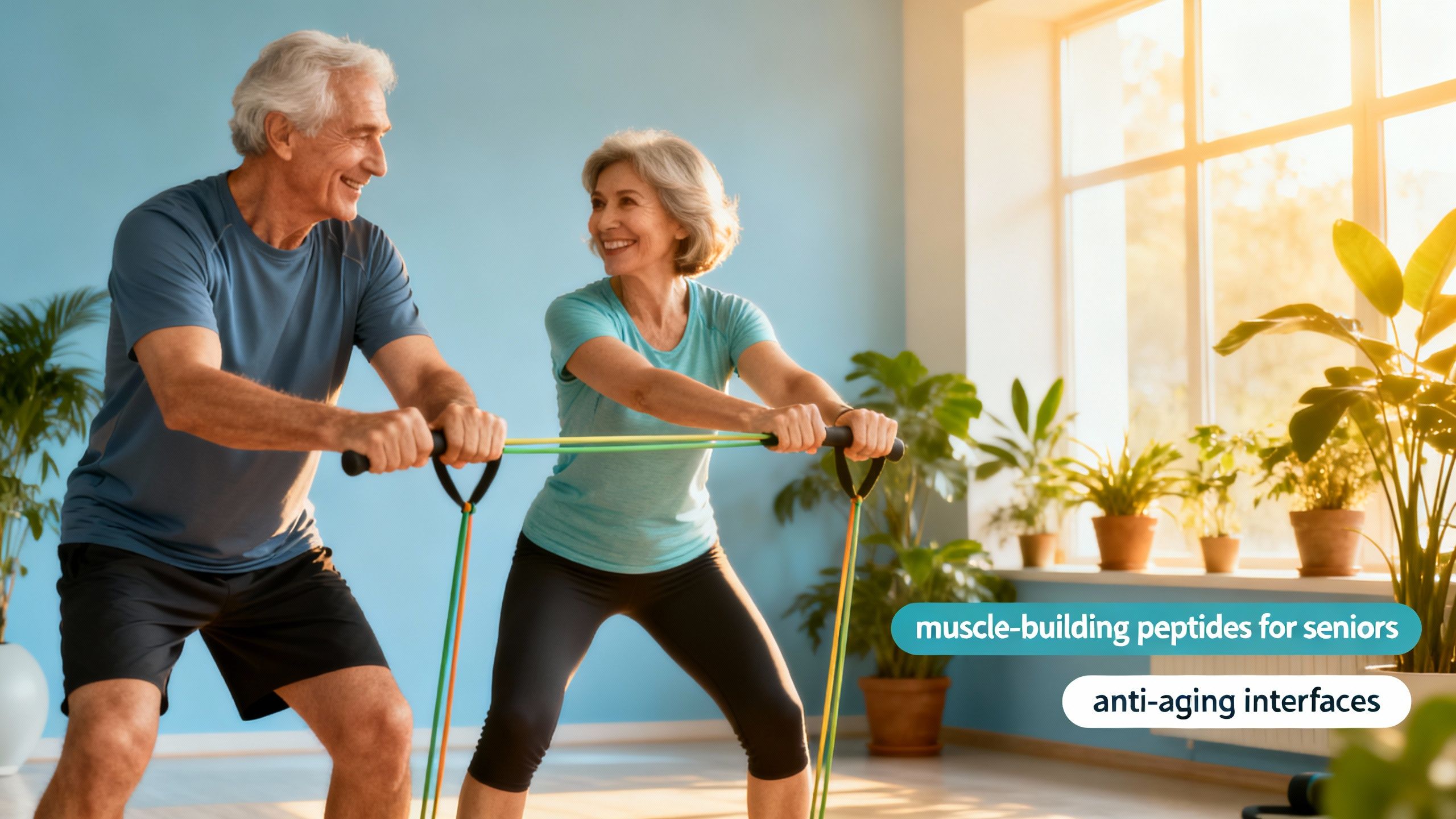
- Resistance training remains the cornerstone of preserving muscle mass.
- Adequate protein intake is critical for muscle repair and growth.
- Emerging therapies: interest is growing in compounds such as peptides (e.g., Ipamorelin), SARMs, and hormone modulators.
Ipamorelin: Mechanisms, Biology, and Distinctions
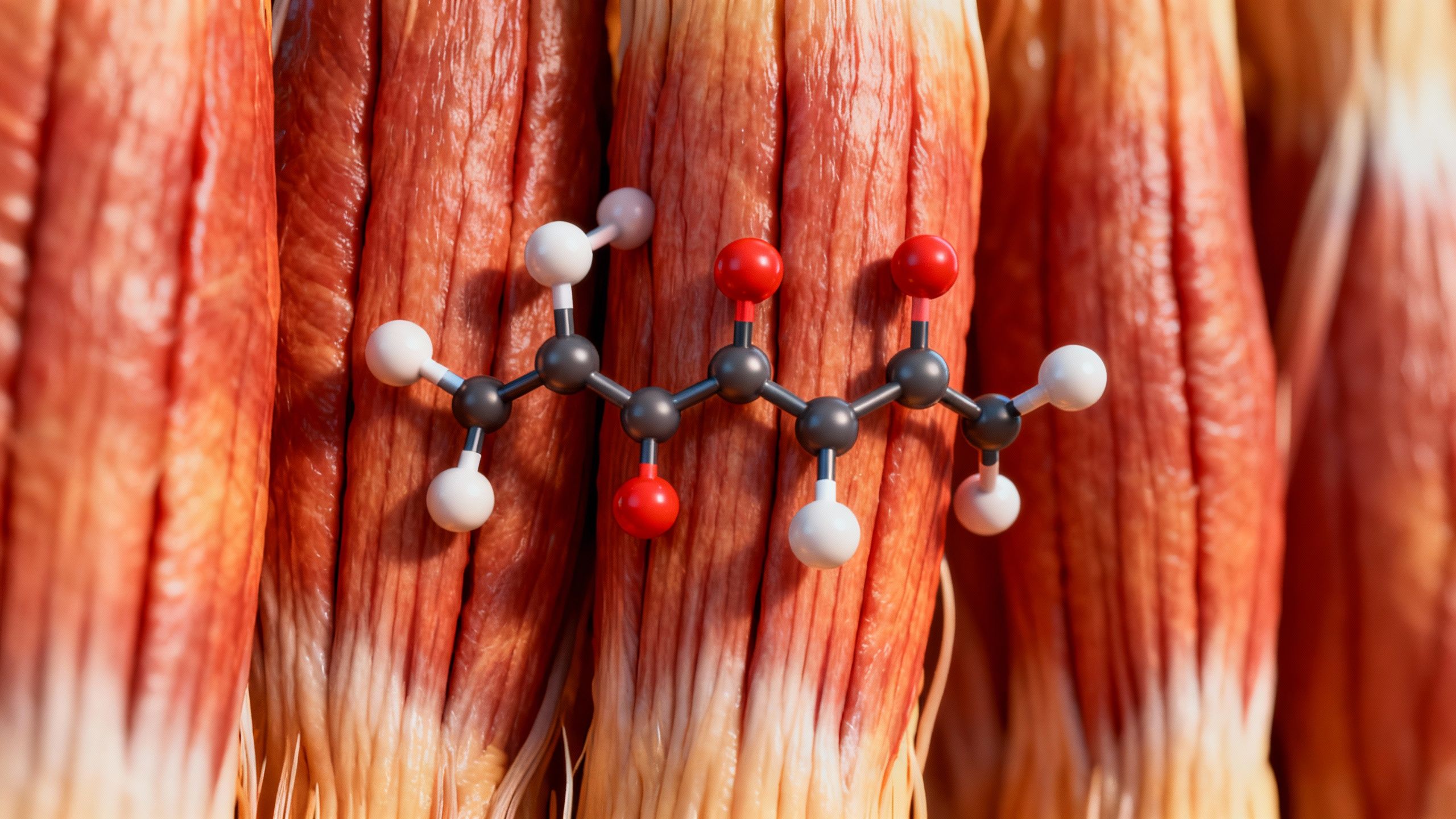
Ipamorelin is a synthetic peptide that stimulates the secretion of growth hormone (GH) via selective binding to the ghrelin/growth hormone secretagogue receptor (GHSR).
How Does Ipamorelin Work?
- Selective GH release: Ipamorelin prompts the pituitary to increase endogenous GH release without raising cortisol or prolactin significantly—a key safety advantage.
- Mimics ghrelin: By acting similarly to the natural hormone ghrelin, Ipamorelin encourages the body’s own production rather than providing exogenous GH.
- Promotes IGF-1 elevation: The release of GH leads to increased levels of IGF-1, which helps drive muscle protein synthesis and tissue repair.
Key Feature:
- Unlike earlier secretagogues (e.g., GHRP-6), Ipamorelin is highly selective, minimizing off-target hormonal effects and reducing unwanted side effects.
Comparison with Other Compounds
- Peptides vs. SARMs: SARMs like Ostarine act on androgen receptors, but peptides like Ipamorelin leverage natural hormone pathways.
- Peptides vs. Hormone Replacement: Ipamorelin increases body’s endogenous GH rather than supplying exogenous growth hormone, which may reduce long-term safety risks.
Human Evidence: Ipamorelin for Age-Related Muscle Loss
Clinical Insights and Key Studies
Despite the popularity of peptides, rigorous human research on Ipamorelin is still limited. However, controlled studies on GH secretagogues and related peptides provide valuable context.
What Do We Know?
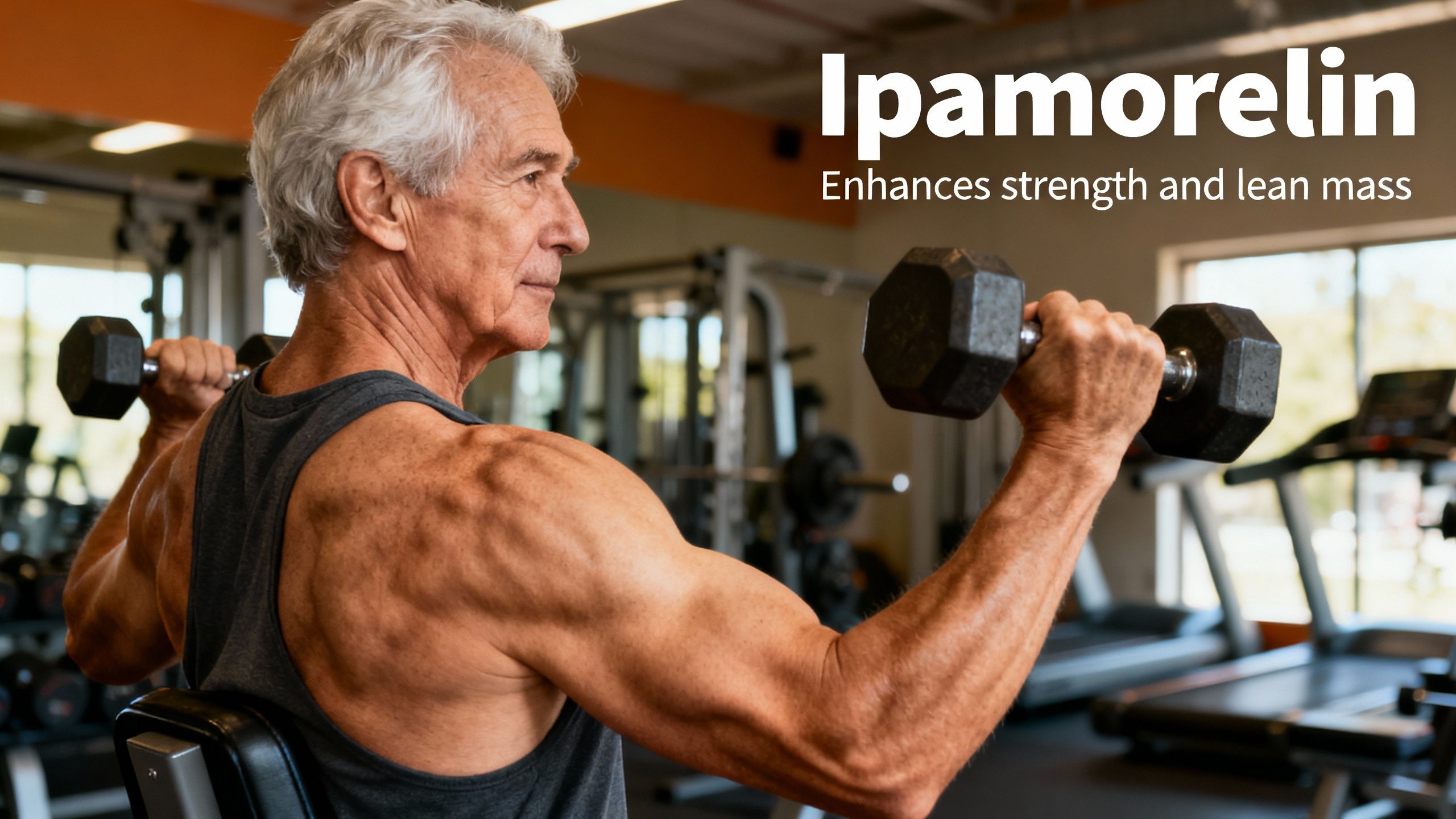
- Small clinical trials and observational studies consistently indicate that GH secretagogues can increase lean mass and sometimes improve muscle strength in older adults.
- Results using Ipamorelin specifically are mostly derived from early-phase trials, compassionate use protocols, and extrapolation from similar peptides.
- Long-tail contexts: Studies consistently suggest greater benefit when peptide therapy is combined with resistance exercise and protein-rich diets.
Highlighted benefits:
- Enhanced lean body mass
- Possible improvements in strength and function
- Reduced fat mass and improved exercise recovery
Typical Dosing and Administration
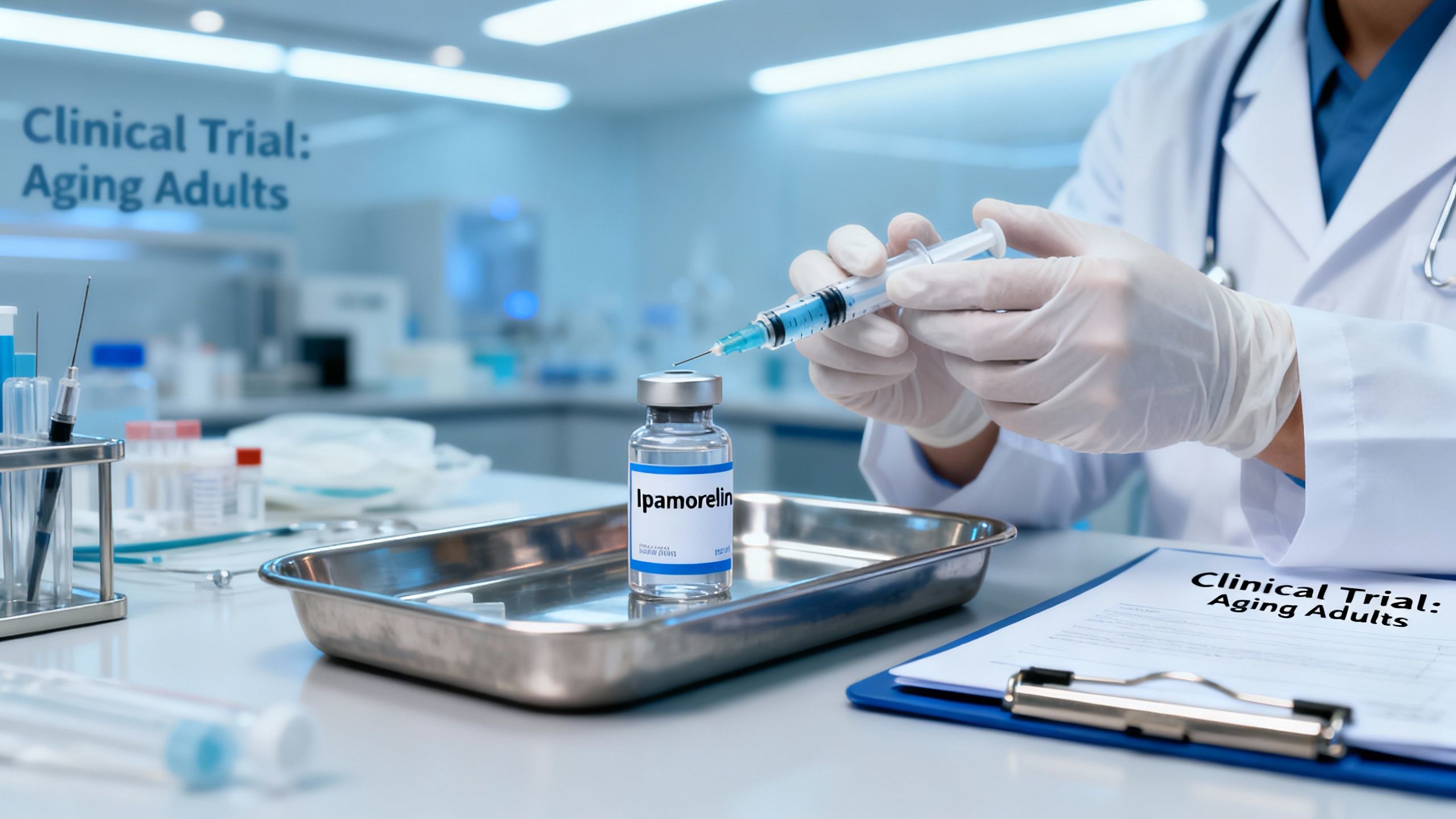
- Administered via subcutaneous injection, often daily or several times per week.
- Tailored regimens are crucial, typically started at low doses and titrated based on response and tolerance.
- Clinical oversight required: Use of peptides should always be under the supervision of qualified healthcare professionals.
Practical Applications
Individuals and clinicians interested in peptides for muscle preservation in older adults often consider Ipamorelin in holistic anti-aging regimens, especially when resistance exercise and nutritional support alone are insufficient.
Mechanisms Behind Muscle-Building Peptides in Seniors
Growth Hormone, IGF-1, and Anabolism
- Growth Hormone (GH): Stimulates protein synthesis, muscle fiber growth (hypertrophy), and metabolic processes that favor lean tissue accrual.
- Insulin-like Growth Factor 1 (IGF-1): Secreted in response to GH, IGF-1 mediates cellular growth and repair, playing a direct role in muscle regeneration.
- Ipamorelin’s unique edge: By mimicking endogenous patterns of hormone release, Ipamorelin may avoid some of the adverse effects seen with synthetic GH or anabolic steroids.
Mechanisms of Ipamorelin and Related Peptides
| Mechanism | Effect on Muscle | Safety Profile |
|---|---|---|
| Stimulates GH release | ↑ Protein synthesis | Low risk of cortisol elevation |
| ↑ IGF-1 via GH axis | ↑ Muscle hypertrophy | Minimal prolactin change |
| No direct androgen activity | ✓ Safe for women | No virilization risk |
| No significant appetite effect | ✓ Less weight gain | Tolerability advantages |
Individual Variability and Predictors of Response
- Baseline GH/IGF-1 status: Older adults with lower baseline GH/IGF-1 may benefit more from secretagogues.
- Lifestyle factors: Adherence to exercise and diet determines the magnitude of muscle gains.
- Genetic and health differences: Chronic illness, medications, or genetic differences can impact responsiveness.
Safety and Considerations in Older Adults
What Do Human Studies Show About Safety?
- Ipamorelin has a favorable safety profile compared to earlier secretagogues and direct GH therapy.
- Common adverse effects are usually mild: injection site irritation, mild fluid retention, or transient joint aches.
- Critical Caution: Excess GH/IGF-1 over long periods is associated with risks such as insulin resistance, carpal tunnel syndrome, and edema, but these are less common with Ipamorelin at recommended doses.
Contraindications and Interactions
- Not for use in people with: Active cancers, untreated diabetic retinopathy, or severe systemic illness.
- Drug interactions: Caution with other endocrine drugs or agents affecting insulin/glucose.
Monitoring and Follow-Up
- Regular monitoring of IGF-1 levels, blood glucose, and subjective wellbeing is essential.
- Periodic reassessment ensures benefits outweigh any risks, especially with long-term use.
Comparing Ipamorelin to Other Approaches
Peptide Therapy vs. Testosterone, SARMs, and Other Interventions
- Testosterone Therapy: Can boost muscle mass in hypogonadal men but involves androgenic side effects and is not suitable for everyone. Read more about Testosterone Therapy here.
- SARMs (e.g., Ostarine): Offer muscle gains via androgen receptor stimulation but may affect lipid profiles and suppress natural testosterone in men.
- Nutraceuticals and Exercise: Foundations for muscle health, best used in conjunction with or before exploring peptide therapies.
Key Takeaway:
- Ipamorelin may be a safer option for women and older adults uninterested in hormonal or androgenic therapies.
- Considered as a supportive therapy with exercise, protein nutrition, and healthy lifestyle.
Practical Considerations for Older Adults Interested in Ipamorelin
Who Might Benefit Most?
- Adults over 50 experiencing age-related muscle loss or poor exercise recovery
- Individuals with proven low-normal GH/IGF-1 levels seeking improved muscle health
- Those with contraindications to testosterone or other conventional anabolics
How to Optimize Results
- Work with an experienced clinician: Peptide hormones require careful selection, dosing, and monitoring.
- Combine with exercise: Resistance training is essential for promoting lean tissue gains.
- Ensure nutritional adequacy: Sufficient dietary protein, vitamin D, and overall calorie intake are important cofactors.
Limitations and Areas Needing More Research
- Long-term safety: Large scale, long-term studies in aging populations are lacking.
- Standardized protocols: Dosage and duration for optimal outcomes are not fully established.
- Regulation and quality: Seek peptides from reputable and regulated sources to avoid contamination or dosing errors.
Conclusion: The Evolving Role of Ipamorelin in Muscle Health and Aging
Ipamorelin represents a promising avenue for older adults striving to preserve muscle mass, boost strength, and enhance recovery. Its distinct mechanism of promoting the body’s own growth hormone and IGF-1, alongside a discrete safety profile, makes it particularly attractive as a safe peptide therapy for muscle health in seniors.
However, peptide therapy is not a magic solution. The best results are seen in those who integrate these interventions into comprehensive strategies including exercise, nutrition, and medical guidance. As with all medical therapies, individual consideration and expert oversight are essential to maximize benefits while minimizing risks.
For anyone interested in exploring Ipamorelin for age-related muscle loss or exercise recovery, consultation with a knowledgeable healthcare provider is critical. The landscape is evolving—ongoing research will clarify where Ipamorelin and related peptides fit in the future of aging and muscle health.
Studies / References
- Oral GH Secretagogue (Capromorelin) Improves Lean Mass in Older Adults
A randomized, double‑blind, placebo‑controlled study in adults age 65–84 investigated the orally active growth hormone secretagogue capromorelin (a class‑related GH secretagogue). After 6 months, participants receiving capromorelin showed significant increases in lean body mass (~1.4 kg vs 0.3 kg with placebo) and improvements in physical performance measures (tandem walk and stair climb), along with sustained rises in IGF‑1 levels. This trial demonstrates that GH secretagogues can influence body composition and muscle‑related outcomes in older adults, though it did not study ipamorelin specifically.
https://pubmed.ncbi.nlm.nih.gov/19174493/ - Anamorelin, a Ghrelin Receptor Agonist, in Older Adults with Osteosarcopenia
In a 1‑year randomized, placebo‑controlled trial of the GH secretagogue anamorelin in older adults with osteosarcopenia (bone and muscle loss), researchers observed a ~50% increase in circulating IGF‑1 levels, although changes in muscle mass were not statistically significant. The study highlights that ghrelin receptor agonists can modulate the GH/IGF‑1 axis in older adults, providing context for peptides that stimulate endogenous growth hormone release.
https://www.ncbi.nlm.nih.gov/pmc/articles/PMC11491645/ - General Clinical Review: Growth Hormone Secretagogues in Humans
A clinical review of GH secretagogues (including peptides and small‑molecule agents) notes that these compounds promote pulsatile GH release in human subjects, which is physiologically preferable to constant exogenous GH. The review summarizes human subject outcomes including increases in circulating GH/IGF‑1, lean body mass effects, and a generally favorable safety profile compared with direct growth hormone therapy.
https://pubmed.ncbi.nlm.nih.gov/28400207/ - Phase I and Early Human Research on Ipamorelin
Early clinical development of ipamorelin (the first selective GH secretagogue) included phase 1 safety and pharmacokinetic studies in healthy human volunteers. These studies confirmed that ipamorelin stimulates GH release in humans with minimal effects on cortisol or prolactin, indicating strong selectivity for growth hormone pathways. Larger phase 2 or condition‑specific trials were not completed before developmental discontinuation.
https://pubmed.ncbi.nlm.nih.gov/9849822/ - Mechanistic and Preclinical Support for Selectivity of Ipamorelin
While not a human trial, a seminal pharmacology paper established ipamorelin’s growth hormone releasing properties and its selectivity for GH release without significant cortisol/ACTH elevation in animal models — an important mechanistic basis used in interpreting human pharmacodynamic results. This underpins safety assumptions often cited in human peptide research.
https://academic.oup.com/ejendo/article/139/5/552/6748390