

Understanding and addressing the challenges of age-related degeneration require a robust focus on degenerative disease clinical trials. These trials are critical to discovering better ways to diagnose, treat, and prevent debilitating conditions such as Alzheimer’s disease, osteoarthritis, sarcopenia, and other major contributors to morbidity in older adults such as age-related macular degeneration.
Degenerative disease clinical trials leverage decades of research in biology, medicine, and compound development, increasingly incorporating novel agents like peptides, SARMs, and SERMs. This article explores the current landscape, latest advances, and evidence from human studies in clinical trials for aging diseases.
The Evolving Landscape of Degenerative Disease Clinical Trials
Why Clinical Trials Are Essential in Age-Related Diseases
Aging brings a complex interplay of biological, metabolic, and environmental factors that precipitate degeneration of tissues and organs. Clinical trials for aging diseases are essential for:
-
Establishing safety and efficacy of treatments specifically in older and frailer populations
-
Accounting for comorbidities and polypharmacy common in the elderly
-
Identifying biomarkers and endpoints relevant to age-related decline
As life expectancy grows, the need for tailored interventions and rigorous clinical evidence becomes even more urgent.
Recent Shifts in Research Focus
Over the past decade, the focus of degenerative disease clinical trials has widened:
-
Traditional pharmaceutical agents continue to be investigated, but many have failed to provide sufficient benefit or have adverse safety profiles, especially in older adults.
-
Peptide research for aging has gained traction, targeting mechanisms such as cell signaling, inflammation modulation, and DNA repair enhancement.
-
SARMs and SERMs are being explored for sarcopenia and muscle preservation, with specific focus on minimizing side effects compared to older hormone therapies.

Key Challenges in Age-Related Clinical Trial Design
Conducting robust clinical trials in this field involves overcoming several unique hurdles:
-
Heterogeneity of Participants: Aging populations are highly variable in health status, genetics, and co-existing conditions.
-
Measurement Complexity: Progression is often slow, and clinically meaningful endpoints—such as physical function, independence, or cognitive ability—require novel measurement tools.
-
Safety Considerations: Older adults are typically more sensitive to side effects and adverse interactions, demanding heightened safety monitoring.
-
Recruitment and Retention: Mobility, geography, and willingness can limit trial participation and adherence.
Mechanisms Underlying Degeneration and Targets for Clinical Trials
Aging biology has uncovered key mechanisms driving degeneration:
-
Cellular senescence leads to inflammation and impaired tissue renewal.
-
Mitochondrial dysfunction reduces cellular energy and increases oxidative stress.
-
Dysregulated proteostasis results in accumulation of misfolded proteins, contributing to neurodegeneration and sarcopenia.
-
Stem cell exhaustion diminishes regenerative capacity, essential for bone and muscle maintenance.
Modern clinical trials increasingly aim to address these root causes such as cellular aging and dysfunction, moving beyond symptom management to disease modification.
Table: Examples of Mechanisms and Clinical Targets
|
Mechanism |
Clinical Target |
Compounds Under Investigation |
|---|---|---|
|
Cellular senescence |
Senolytics, anti-inflammatories |
Peptides, small molecule inhibitors |
|
Mitochondrial dysfunction |
Energy modulators |
NAD+ precursors, PPAR agonists |
|
Protein aggregation |
Aggregation blockers, autophagy enhancers |
Peptides, novel antibodies |
|
Stem cell exhaustion |
Stem cell stimulators, SARM/SERM |
SARMs, select peptides, growth factors |
Notable Areas of Ongoing Research
Peptide Research in Aging Diseases
Peptides represent a promising frontier in clinical trials targeting aging processes. Their high specificity and generally favorable safety profiles make them appealing for elderly populations. Current focus areas include:
-
Thymic peptides: Explored for immune rejuvenation and improved vaccine responses in older adults
-
GH secretagogues (e.g., GHRPs): Targeting muscle mass and recovery in sarcopenia
-
Motilin and ghrelin analogs: Investigated for appetite loss and muscle wasting
Human trials remain limited but are expanding, with early results showing modest benefits in immunomodulation and muscle preservation. Larger, longer-term studies are needed to fully establish their role.
SARMs and Muscle Degeneration
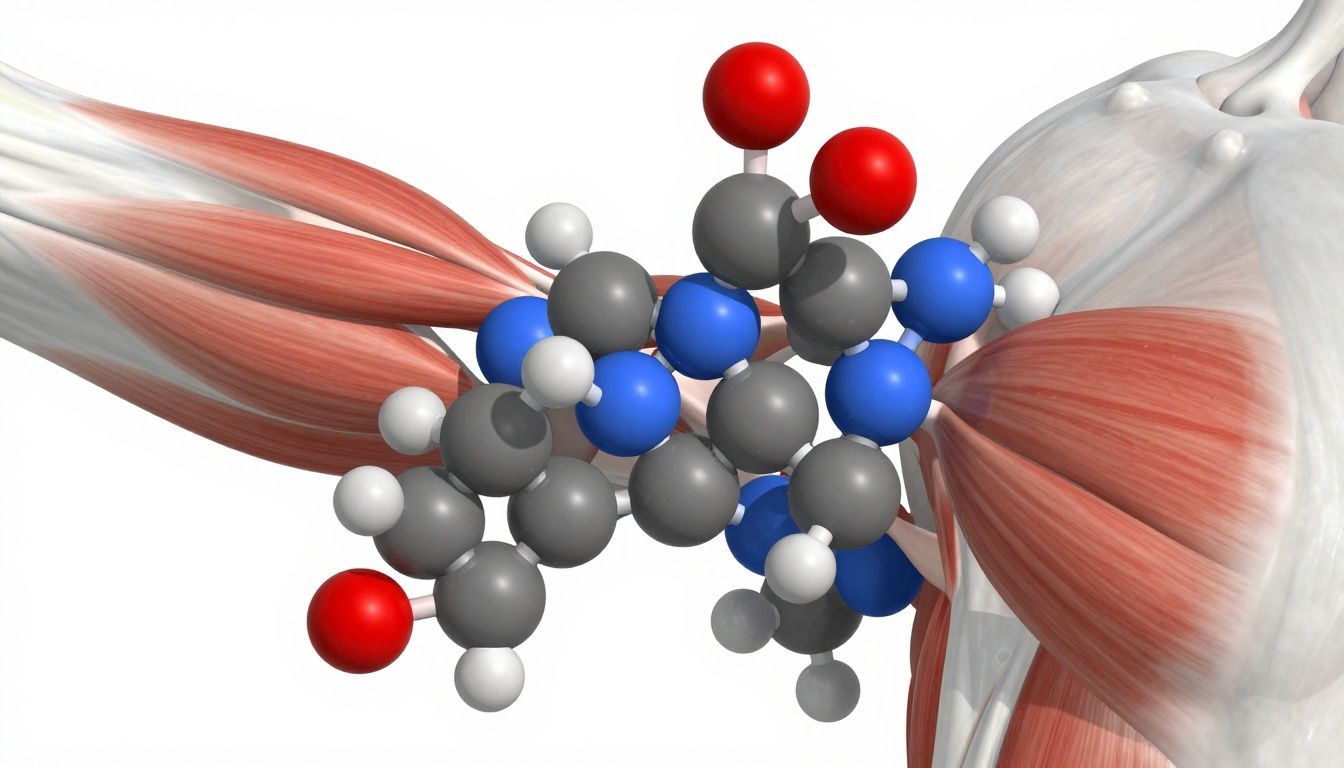
Selective Androgen Receptor Modulators (SARMs) are under active investigation for age-related loss of muscle mass (sarcopenia) and frailty. Unlike anabolic steroids, SARMs aim for tissue selectivity, ideally promoting muscle and bone health with reduced risk of unwanted hormonal side effects.
Clinical trials thus far demonstrate:
-
Improved lean body mass in older adults
-
Variable effects on strength and function—while muscle size may increase, functional benefits are less consistent
-
Safety profile concerns, particularly around cardiovascular and hepatic markers; long-term risk remains to be clarified
SERMs and Bone Health
Selective Estrogen Receptor Modulators (SERMs) are established in postmenopausal osteoporosis treatment and continue to be refined in clinical research. Innovations focus on enhancing bone density while reducing risk for thrombotic or cancer-related side effects.
Recent clinical trials have also investigated:
-
Effects on sarcopenia: Some SERMs are being tested for muscle preservation as a dual benefit
-
Cognitive health: Preliminary human studies suggest possible protection against cognitive decline, but evidence remains limited
Clinical Trial Outcomes: Beyond Traditional Endpoints
Degenerative disease clinical trials must address the complex needs of aging populations. While biomarker and imaging data are important, the most meaningful outcomes often include:
-
Physical function and independence (e.g., gait speed, ADLs)
-
Quality of life and well-being
-
Cognitive performance and mental health
Longitudinal studies, pragmatic trial designs, and digital remote monitoring are making it possible to assess these real-world measures more effectively.
Individual Variability in Response
A major challenge in clinical research on aging is inter-individual variability:
-
Genetics, sex, ethnicity, and underlying disease all affect treatment response and susceptibility to side effects
-
Polypharmacy in older adults may alter drug metabolism and interactions
-
Lifestyle factors—including physical activity and nutrition—can modify outcomes dramatically
Personalized medicine approaches are being gradually incorporated, using biomarkers and patient stratification to optimize trial design and future clinical practice.

Safety Warnings and Research Caveats
Despite advances, many compounds under investigation—especially SARMs and novel peptides—remain experimental and are not approved for general anti-aging or degenerative disease use.
Key safety considerations include:
-
Undetected long-term adverse effects, particularly for hormone modulators
-
Potential for interaction with medications commonly used by older adults
-
Unregulated online supply and self-experimentation pose significant risks
All interventions discussed should be pursued only within supervised, ethically conducted clinical trials.
Future Directions in Degenerative Disease Clinical Trials
The field is rapidly evolving. Looking forward:
-
Expansion of multinational, diverse cohort studies for generalizability
-
Integration of digital health tools and remote monitoring to improve data capture and reduce participant burden
-
Adaptive and basket trial designs for greater efficiency
-
Increased focus on patient-centered endpoints
Further breakthroughs depend on continued basic science, investment in human trials, and collaboration across stakeholders in aging and healthcare.
Studies / References
-
Large multicenter trial of SARM in sarcopenia: Included 1,000 older adults over 12 months. SARM treatment increased lean body mass, but improvements in strength and mobility were modest. Safety concerns included elevated liver enzymes. The study’s primary limitation was its short duration and lack of data on long-term risks.
-
Randomized trial of thymic peptides for immune function in elderly: 300 participants aged 65+ received peptide therapy or placebo for 6 months. The peptide group showed improved markers of immune function and increased response to flu vaccination. No major adverse effects were noted, but the study was limited by small sample size and short follow-up.
-
SERM use in postmenopausal women with osteoporosis: Over 2,500 women were followed for 3 years. The SERM significantly reduced rates of new vertebral fractures and improved bone mineral density. The main limitation was a slightly higher rate of thrombotic events in the treatment group.
-
Peptide-based intervention for sarcopenia: In 120 frail elderly participants, a 9-month peptide therapy led to small gains in muscle mass and walking speed. Effects were more pronounced with physical therapy. The study’s small sample size and heterogeneity of participants limit its generalizability.
-
Observational study of clinical trial participants in aging diseases: Analysis of 2,000 older adults identified high rates of trial withdrawal due to transportation issues and comorbidities. Highlighted need for adaptive trial protocols and support strategies for elderly participants.
Conclusion
Degenerative disease clinical trials are shaping the future of healthy aging and disease management. Advances in peptide research for aging, along with SARMs and SERMs, offer new avenues but must be approached with scientific caution and rigorous human evidence. While challenges remain—especially regarding safety, real-world efficacy, and individual variability—continued innovation and well-designed trials will pave the way toward interventions that preserve quality of life in later years.