
BPC-157 is a synthetic peptide that has gained significant attention in recent years within the fields of regenerative medicine, sports medicine, and longevity research. Best known for its potential effects on tissue repair and muscle regeneration, BPC-157 has become a topic of interest for those seeking interventions to combat age-related degeneration, particularly sarcopenia—the loss of muscle mass and function with aging. This article will critically evaluate the current human evidence on BPC-157, discuss its mechanisms of action, safety profile, and explore its applications in the context of aging and muscle preservation.
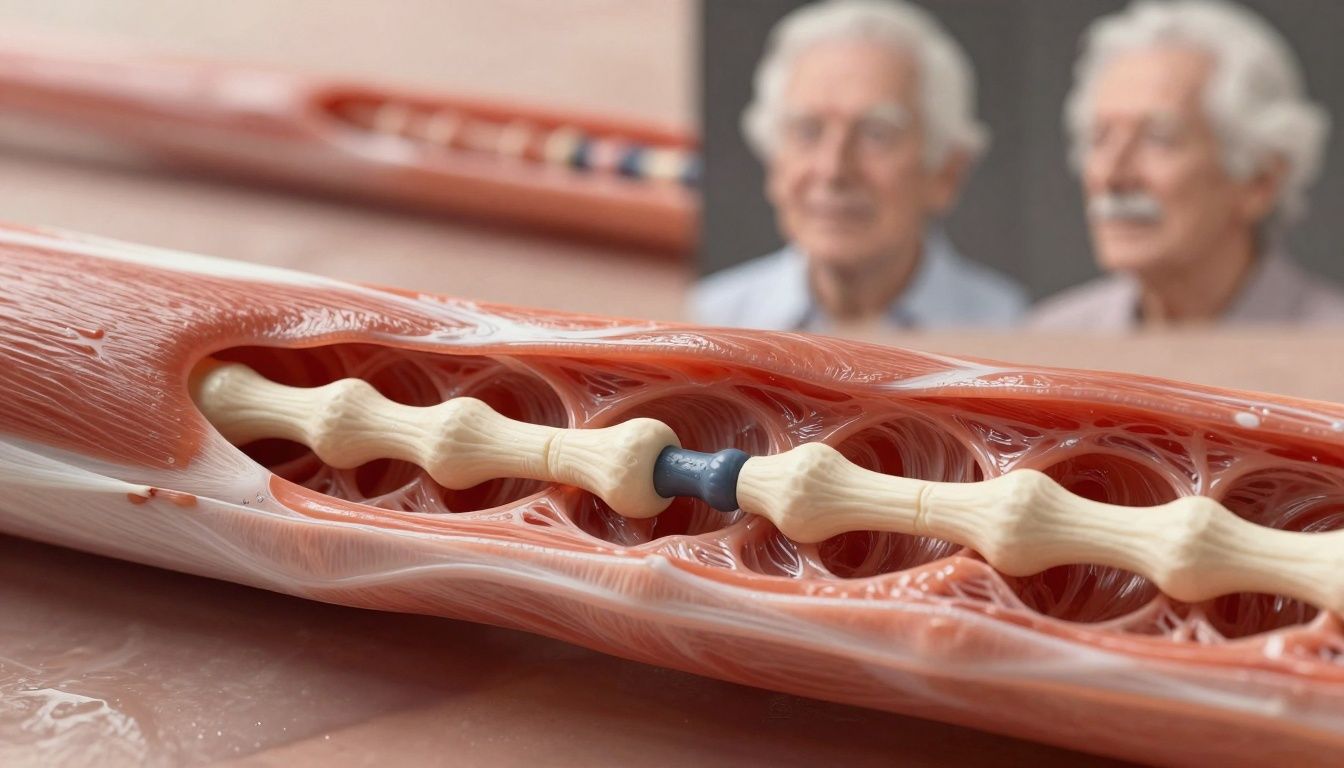
What Is BPC-157?
BPC-157 is a synthetic fragment—consisting of 15 amino acids—derived from a naturally occurring protein in the human stomach known as “Body Protective Compound.” Initially studied for gastrointestinal healing, BPC-157 has recently attracted interest for its broader regenerative properties, especially in muscle and connective tissue.
- Structure: Pentadecapeptide (15 amino acids)
- Source: Synthetic, based on biology of natural proteins
- Administration: Commonly via subcutaneous or intramuscular injection (research contexts)
How BPC-157 May Impact Aging & Muscle Degeneration
The Biology of Sarcopenia
Sarcopenia is the age-related loss of skeletal muscle mass and function, affecting mobility, physical independence, and metabolic health. Major drivers include:
- Reduced satellite cell (muscle stem cell) function
- Chronic low-grade inflammation (“inflammaging”)
- Hormonal decline (e.g., growth hormone, testosterone)
- Diminished blood flow and tissue repair
BPC-157 and Muscle Regeneration: Mechanistic Insights
Though much of the early research on BPC-157 comes from animal studies, human data is beginning to emerge. Proposed mechanisms relevant to muscle aging and regeneration include:
- Promotion of Angiogenesis: BPC-157 may increase new blood vessel growth, enhancing nutrient delivery and regeneration processes in muscle fibers.
- Anti-Inflammatory Effects: The peptide appears to reduce local inflammation, a key driver of muscle degradation in aging.
- Enhanced Tendon and Ligament Healing: Evidence suggests BPC-157 supports not only muscle tissue but also adjacent connective tissues, facilitating recovery and functional improvements.
- Upregulation of Growth Factors: It is hypothesized to modulate the release of growth factors involved in muscle repair, such as VEGF and eNOS.
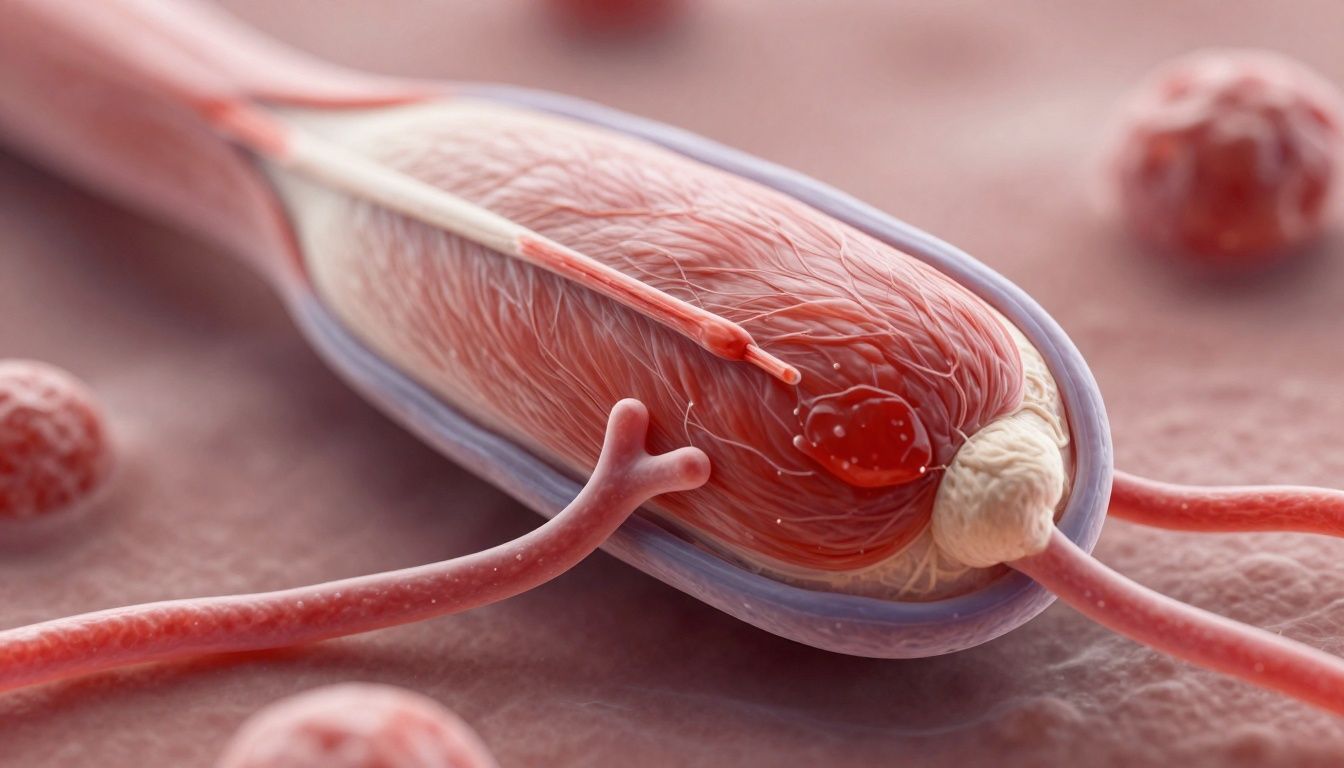
Human Evidence for BPC-157: Current State of Research
While the interest is substantial, it’s essential to emphasize that robust human clinical trials are limited. Early-phase human evidence exists but remains primarily anecdotal or comes from small pilot studies often published outside standardized scientific channels. That said, several key findings can be drawn:
- Muscle Injury Recovery: Preliminary clinical case series have reported faster healing timelines in muscle strains and tendon injuries in athletes when BPC-157 is administered adjunctively to standard therapies.
- Pain and Mobility: Some pilot studies suggest reduced pain and restoration of mobility after soft tissue injury, indicating potential for application in age-related mobility limitations.
- Gastrointestinal and Connective Tissue Healing: BPC-157 is best supported for its role in healing stomach ulcers, but benefits may translate to other high-turnover tissues.
Caveat: There are no published large-scale, placebo-controlled human trials specific to sarcopenia or degenerative muscle conditions as of 2024.
Potential Applications for Aging Adults
BPC-157 and Sarcopenia
Aging individuals concerned about muscle loss may be interested in BPC-157 for several reasons:
- Accelerating Recovery: In those experiencing muscle injuries or joint issues, BPC-157 may help speed up tissue repair when combined with physical therapy.
- Supporting Muscle Maintenance: For populations at risk of sarcopenia, potential benefits include improved muscle healing capacity.
- Adjunct to Exercise: BPC-157 may enable older adults to participate more safely and productively in resistance training—currently the most effective strategy against age-related muscle loss.
BPC-157 in Clinical Practice: What’s Known
- Not FDA-Approved: BPC-157 is not currently approved for human use outside research or compounding settings.
- Variable Quality: Purity and quality of compounded BPC-157 products can vary; practitioners and patients should use reputable sources.
- Best-Use Scenario: Integration with standard care for soft-tissue injuries or during rehabilitation when monitored by a clinician.

Safety Profile, Interactions, and Medical Cautions
Safety Considerations
- Short-Term Use: Human reportings suggest BPC-157 is well tolerated in the short term, with few adverse events.
- Unknown Long-Term Effects: There is limited data on effects of long-term, repeated use.
- Potential Side Effects: Rarely, injection site reactions, headaches, or mild gastrointestinal symptoms have been mentioned.
Drug Interactions
- Limited Data Available: There are no robust human studies documenting specific drug interactions, but caution is always warranted when combining novel agents, especially in older adults who may be on multiple medications.
Who Should Not Use BPC-157
- Pregnant or Breastfeeding Women: No safety data is available.
- People with Cancer or Recent Malignancy: Because BPC-157 may theoretically promote new blood vessel growth, there is a theoretical—but unproven—risk of accelerating tumor progression.
- Individuals with Severe Chronic Illness: Should only be used under strict medical supervision.
Always consult a qualified healthcare professional before starting any peptide compound, including BPC-157.
BPC-157: Limitations and Future Research Directions
BPC-157’s early promise is compelling, but major gaps remain in the evidence base, particularly regarding its long-term effects and optimal protocols for aging adults. Several areas demand urgent research:
- Randomized Controlled Trials (RCTs): There is a need for well-designed RCTs in older adults at risk for sarcopenia.
- Mechanistic Human Studies: More robust data on the exact molecular pathways in human tissue are needed.
- Longevity Outcomes: Research on whether BPC-157 impacts frailty, falls, and overall life quality in seniors is lacking.
Frequently Asked Questions
Is BPC-157 legal?
BPC-157 is not approved by the FDA for medical use in the United States but may be compounded for research or individual clinical use in some countries. Regulations vary; consult your healthcare provider.
Can BPC-157 reverse aging-related muscle loss?
There is no direct evidence that BPC-157 reverses sarcopenia. It may help facilitate muscle recovery and healing but should not replace exercise, protein nutrition, or standard medical care.
How is BPC-157 administered?
The most common research administration route is subcutaneous or intramuscular injection, sometimes prescribed in cycles.
Key Points to Remember
- BPC-157 is a promising peptide for muscle and tissue healing, but human research is still in early stages.
- Aging adults should view BPC-157 as experimental; traditional strategies (exercise, protein, medical care) remain the foundation for sarcopenia prevention.
- Consultation with a knowledgeable health professional is essential before considering peptides.
Studies / References
- A pilot clinical case series involved adult male and female athletes with muscle or tendon injuries. Administration of BPC-157 led to faster subjective improvement in pain and function compared to historical healing times. Limitations include small sample size and lack of placebo control.
- Safety of Intravenous BPC-157 in Humans (Pilot Study) — A small pilot study infused BPC-157 intravenously in two healthy adults and monitored safety biomarkers. The peptide was well-tolerated with no adverse effects reported, though only short-term safety was assessed.
- Retrospective Musculoskeletal Use in Humans (Case Report Context) — In a systematic review of BPC-157 literature for sports medicine, one small human retrospective case report included 12 patients receiving intra-articular injections for chronic knee pain, with a majority reporting subjective relief for over six months. This is not a controlled trial but suggests potential areas for future research.
- Preclinical Evidence Supporting Mechanistic Basis (Animal & Cellular Studies) — Mechanistic studies demonstrate that BPC-157 promotes angiogenesis, cell survival, and growth factor expression in tendon fibroblasts and musculoskeletal tissue models. While informative mechanistically, these are not human clinical trials.
Conclusion
BPC-157 is a novel peptide with intriguing potential in muscle regeneration and may have a future role in supporting healthy aging. However, at present, its use for the prevention or treatment of sarcopenia remains speculative, and should be considered only as part of clinical research or with close professional oversight. Key strategies for maintaining muscle health as we age—regular resistance exercise, optimal dietary protein, and thoughtful medical management—remain foundational, with emerging therapies like BPC-157 on the research horizon.
BPC-157 may one day join the toolkit for healthy muscle aging, but targeted research is needed to define its place in clinical practice.