
Age-related macular degeneration (AMD) is a leading cause of vision loss in older adults. But, could a specific blend of eye vitamins support not just those with AMD, but also people interested in preserving vision and supporting overall eye health? The AREDS2 formula—originally crafted as part of major clinical trials—has become the gold standard for “supplements for AMD” and is now widely recommended to individuals concerned about eye aging. This article delves deep into the benefits, mechanisms, evidence, and implications for broader aging populations.

What Is the AREDS2 Formula?
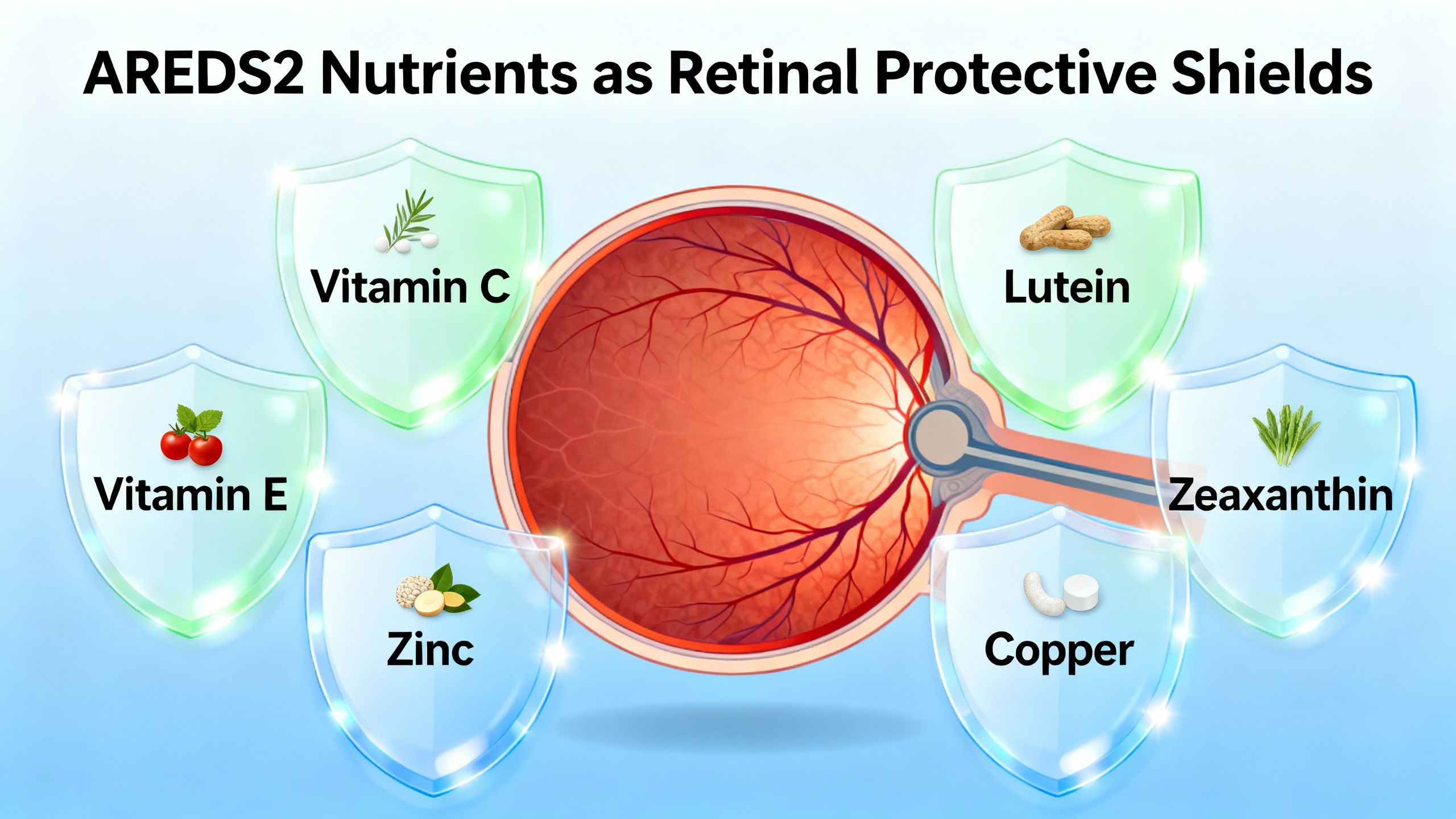
AREDS2 stands for the Age-Related Eye Disease Study 2, a large multi-center clinical trial sponsored by the National Eye Institute. Building on findings from the original AREDS study, AREDS2 fine-tuned a specific blend of nutrients to maximize safety and efficacy. The AREDS2 formula generally includes:
- Lutein (10 mg)
- Zeaxanthin (2 mg)
- Vitamin C (500 mg)
- Vitamin E (400 IU)
- Zinc (80 mg, as zinc oxide)
- Copper (2 mg, as cupric oxide)
This composition excludes beta-carotene due to increased lung cancer risk in smokers.
Key AREDS2 Benefits
- Slowed progression of intermediate to advanced AMD
- Protection of central vision
- Well-studied safety profile in older adults
How the AREDS2 Nutrients Support Eye Health
Lutein and Zeaxanthin: Macular Pigment Powerhouses
Lutein and zeaxanthin are carotenoids found in high concentrations in the retina, particularly the macula. They function as:
- Blue light filters
- Antioxidants protecting retinal cells from oxidative damage
Research indicates that higher macular pigment is associated with better visual performance and reduced risk of AMD progression.
Zinc and Copper: Supporting Retinal Structure and Function
Zinc is abundant in the retina and crucial for over 300 enzymatic reactions, including those that support photoreceptor health. However, supplementation at high doses can interfere with copper absorption, necessitating the inclusion of copper in the formula to prevent deficiency.
Vitamins C and E: Antioxidant Shields
Both vitamins are potent antioxidants that neutralize free radicals, helping slow damage from oxidative stress—a key driver of degenerative eye diseases.
AREDS2 and the Pathophysiology of AMD
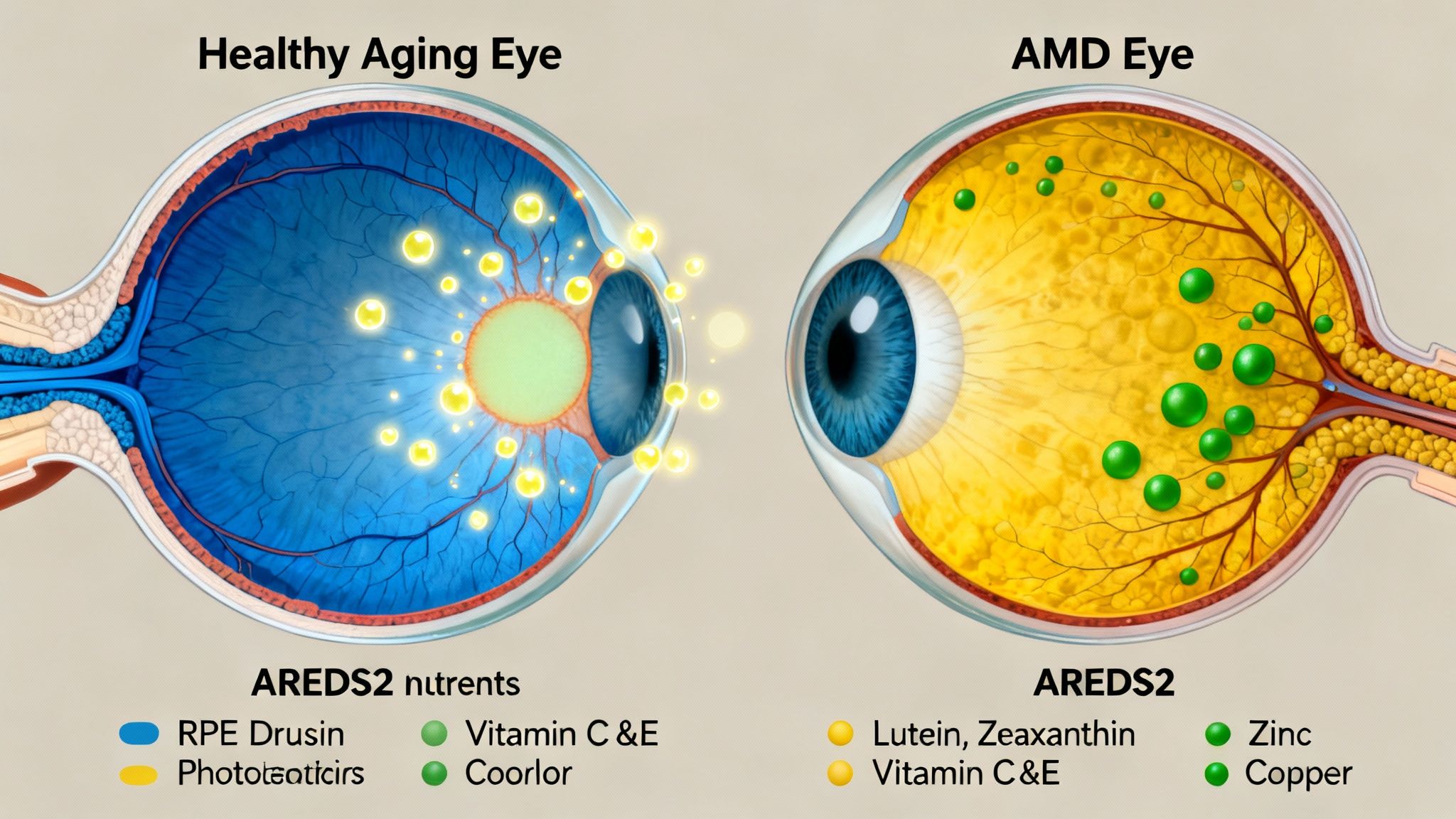
AMD progression involves cumulative oxidative stress, chronic low-level inflammation, and accumulation of metabolic waste in the retina called drusen. The AREDS2 formula addresses these mechanisms by:
- Raising levels of antioxidants in retinal tissues
- Supporting the structural integrity of photoreceptor cells
- Filtering damaging high-energy visible light
As such, the AREDS2 regimen remains the mainstay among supplements for AMD for slowing intermediate-to-advanced disease.
Evidence for AREDS2 in AMD: Landmark Clinical Research
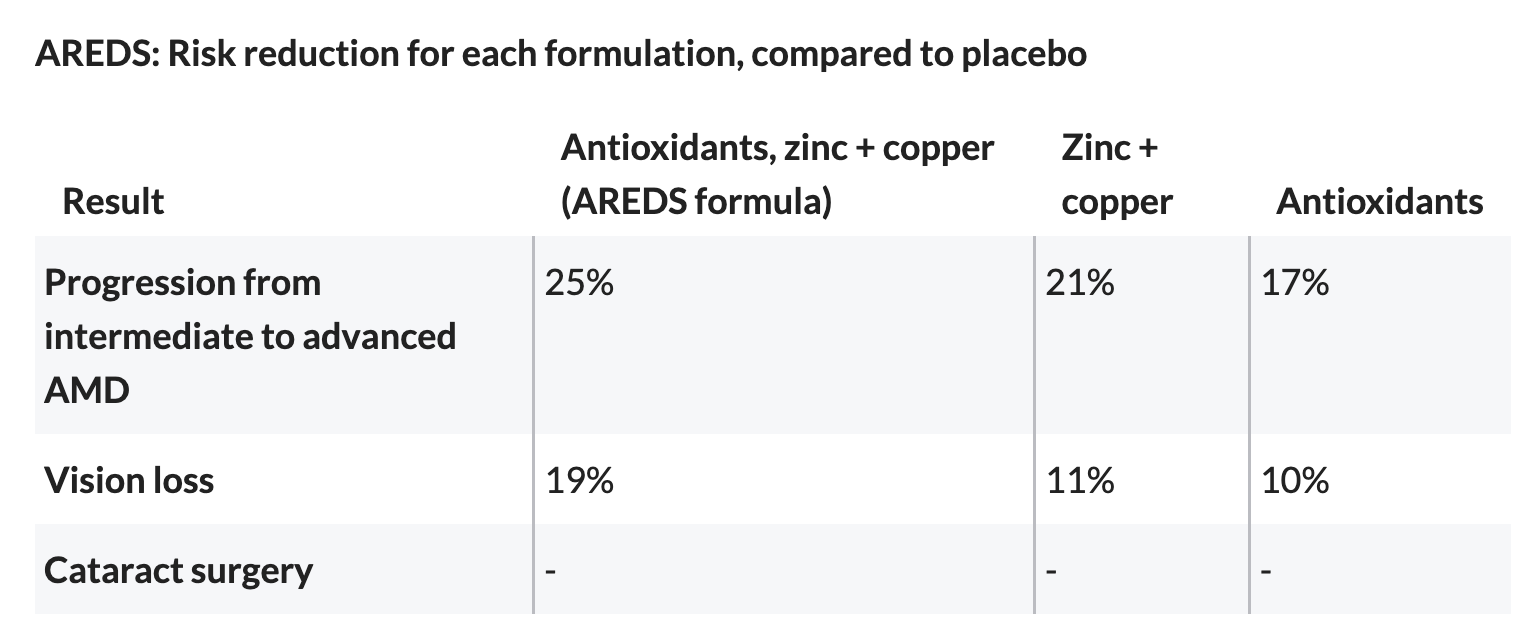
The AREDS2 and predecessor AREDS trials are recognized as pivotal in the field of nutritional eye disease management. The trial enrolled over 4,000 participants aged 50-85 with intermediate or advanced AMD, randomizing them to receive the updated formula or placebo. This trial found that:
- The formula reduced the progression to advanced AMD by approximately 25% over five years in at-risk individuals
- Replacing beta-carotene with lutein and zeaxanthin preserved efficacy and was safer, particularly for smokers
- No significant effect was seen in early AMD or for disease prevention; benefits appear focused on slowing existing disease
AREDS2 Beyond AMD: Broader Benefits and Uses
Use for Eye Health in Aging
Given the role of oxidative stress in age-related eye changes, many are curious whether AREDS2 nutrients could benefit not only AMD patients but also:
- Adults with early-stage AMD
- Individuals concerned about age-related vision changes
- People exposed to high blue light environments
Evidence Summary
- No current evidence supports the use of AREDS2 for primary prevention in those without intermediate AMD.
- Animal and in-vitro studies suggest broader antioxidant benefits, but human studies confirming benefit outside advanced AMD are lacking.
- However, the individual nutrients (especially lutein and zeaxanthin) are associated in observational studies with a reduced risk of several ocular diseases.
What About dietary intake?
Regular dietary intake of lutein and zeaxanthin-rich foods (leafy greens, colored vegetables) is associated with healthier macular pigment and potentially reduced risk of age-related visual decline.
Safety and Interactions
The formula has undergone extensive safety evaluation:
- Tolerability: Generally well-tolerated; some may experience minor gastrointestinal symptoms
- Beta-Carotene: No longer included; increased lung cancer risk in smokers from the original formula
- Zinc: High doses can interfere with copper absorption; copper is included to counteract this
- No evidence of harm in older adults when taken as directed for up to five years
However, always discuss with a healthcare provider, particularly if you have other health conditions or are taking medications (such as anticoagulants, due to vitamin E).
Comparison Table: AREDS2 Nutrients and Their Sources
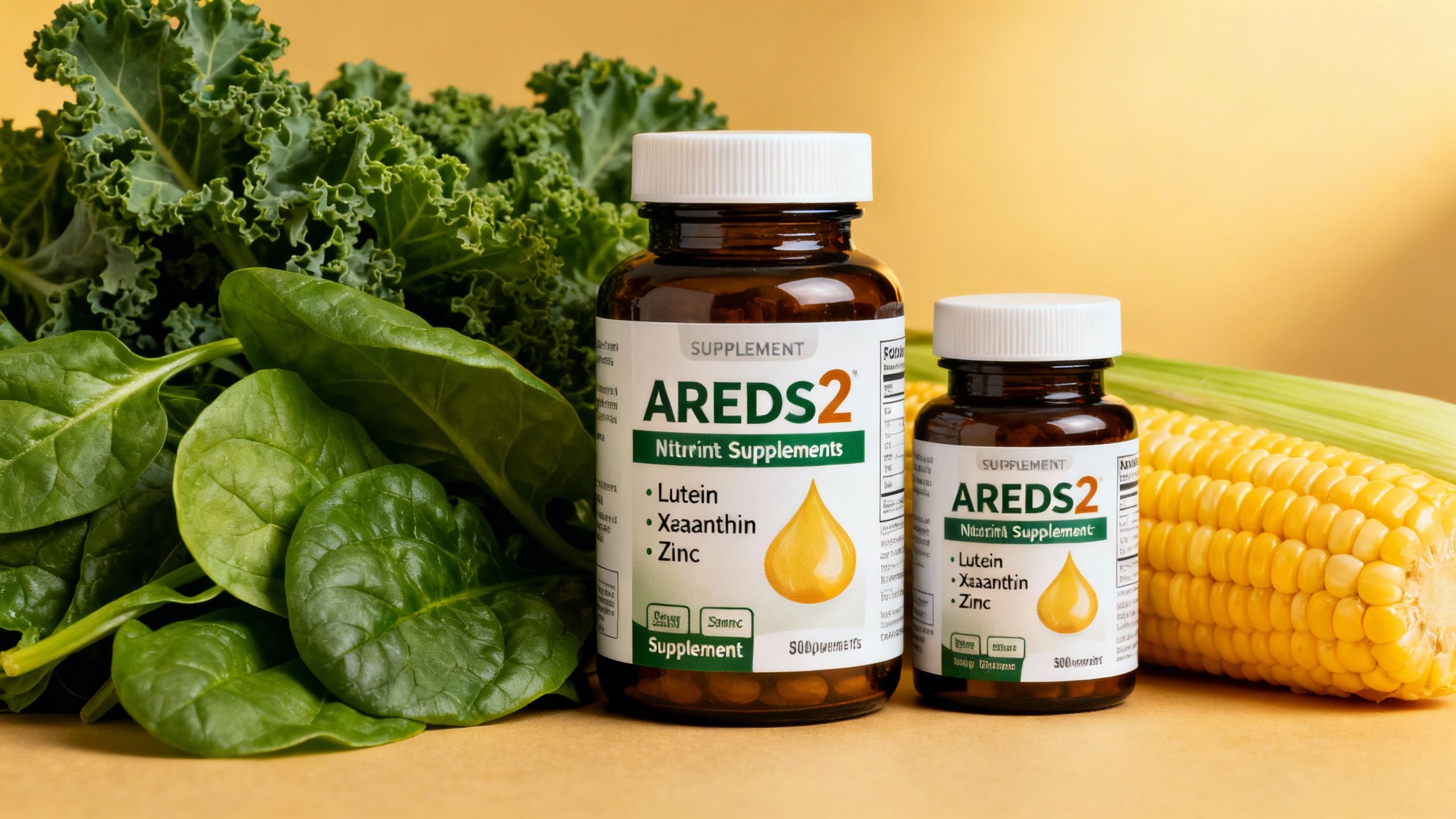
| Nutrient | AREDS2 Dose | Best Dietary Sources | Main Proposed Role |
|---|---|---|---|
| Lutein | 10 mg | Spinach, kale, corn | Macular pigment, antioxidant |
| Zeaxanthin | 2 mg | Corn, orange peppers | Macular pigment, antioxidant |
| Zinc | 80 mg | Oysters, beef, nuts | Structural, antioxidant/safety |
| Vitamin C | 500 mg | Citrus, berries, greens | Antioxidant |
| Vitamin E | 400 IU | Nuts, seeds, vegetable oils | Antioxidant |
| Copper | 2 mg | Shellfish, nuts, seeds | Prevent zinc-induced deficiency |
AREDS2 for Other Eye Conditions: Current Evidence
While AREDS2 is best-studied for AMD, there is ongoing interest in its potential for other conditions:
- Cataracts: The original AREDS found no clear benefit for cataract prevention. AREDS2 did not change this.
- Other retinal diseases: No conclusive human evidence supports general use for diabetic retinopathy, glaucoma, or other retinal conditions.
- General eye health in aging populations: Observational (not randomized) studies suggest associations between higher lutein/zeaxanthin intake and reduced visual impairment risk, but this is not yet definitive evidence for supplementation.
Practical Applications and Considerations
Who Should Consider AREDS2?
- Adults diagnosed with intermediate or advanced AMD (consult your ophthalmologist)
- Smokers/former smokers: prefer AREDS2 formula without beta-carotene
- Those unable to achieve high dietary intake of key nutrients
Who Should Not?
- People without intermediate or advanced AMD (unless otherwise directed by a healthcare provider)
- Pregnant or breastfeeding women (safety not established)
- Individuals on high-dose antioxidant regimens or with rare conditions (such as iron overload disorders)
Frequently Asked Questions
Q: Can I use the formula even if I don’t have AMD?
A: Currently, there is insufficient evidence to recommend it for primary prevention in people without AMD. Dietary intake of lutein and zeaxanthin is generally recognized as safe and potentially beneficial.
Q: Are there side effects or drug interactions?
A: Most people tolerate the AREDS2 formula well. Minor GI symptoms are possible. Always consult your healthcare provider—especially if on medications or with other medical conditions.
Q: Is lutein or zeaxanthin supplementation better than food sources?
A: Supplementation is recommended only for those diagnosed with intermediate/advanced AMD. For the general public, food sources are preferred for routine intake.
Studies / References
1. Lutein + Zeaxanthin and Omega-3 Fatty Acids for Age-Related Macular Degeneration: The Age-Related Eye Disease Study 2 (AREDS2) randomized clinical trial – JAMA Ophthalmology. https://jamanetwork.com/journals/jama/fullarticle/1684847
2. Long-term follow‑up of the AREDS2 trial (Report 28): lutein/zeaxanthin vs beta‑carotene – PMC. https://pmc.ncbi.nlm.nih.gov/articles/PMC9164119/
3. AREDS and AREDS2 study overview and design (National Eye Institute). https://www.nei.nih.gov/research/clinical-trials/age-related-eye-disease-studies-aredsareds2/about-areds-and-areds2
4. Systematic Review: Nutritional supplements for age‑related macular degeneration – Current Ophthalmology Reports. https://link.springer.com/article/10.1007/s40135-014-0059-z
5. Observational evidence on macular pigment and lutein/zeaxanthin intake. https://www.ncbi.nlm.nih.gov/pmc/articles/PMC6065210/
Conclusion: AREDS2 Benefits and the Future of Eye Supplements
The evidence is clear for those with intermediate or advanced AMD: AREDS2 benefits include slowing the disease’s progression, supporting central vision, and offering a strong safety profile. For the broader population, the formula’s individual nutrients (like lutein and zeaxanthin) are associated with healthy aging, but supplementation is not universally recommended without AMD.
Those considering vitamins solutions or supplements for AMD should consult a healthcare provider for tailored advice. As research continues, future formulations may further optimize vision protection for aging adults.
Summary:
- AREDS2 is a well-studied blend for intermediate/advanced AMD, but not general prevention.
- Benefits are specific to those at risk, with a strong safety profile when used as directed.
- A holistic approach—balanced nutrition, regular eye exams, and understanding individual risk—is essential for protecting vision as we age.