

Aging drives transformation across nearly every tissue in the human body, yet two forms of degeneration often go hand in hand with profound effects on independence and quality of life: vision loss and skeletal muscle decline. Increasing evidence reveals that the processes behind these conditions—while organ-specific on the surface—share deeper biological threads. This article explores the key mechanisms linking vision and muscle loss, how these overlaps shape individual risk, and what the latest human research reveals about prevention and intervention.
Understanding Vision and Muscle Degeneration
“Vision muscle loss” describes the co-occurrence or shared degeneration of visual and muscular systems. Both are leading contributors to age-associated disability:
- Age-related macular degeneration (AMD) is the top cause of irreversible vision loss in adults over 60.
- Sarcopenia, the progressive wasting of skeletal muscle, affects up to one-third of adults over 70, impairing strength and mobility.
Emerging data suggest shared triggers—at the cellular and systemic levels—drive both eye and muscle degeneration. Understanding this connection promises more tailored, effective prevention strategies and clinical therapies.

Shared Mechanisms: Linking the Eye and Muscle
Mitochondrial Decline Drives Dual Degeneration
Mitochondria—often called the cell’s “power plants”—are essential in both the retina and skeletal muscle. Their function declines sharply with age:
- Reduced energy (ATP) production impairs the function of photoreceptors in the retina and contributes to muscle weakness.
- Mitochondrial mutations and oxidative damage accumulate in both eye and muscle cells, accelerating cell death—a process observed in AMD and sarcopenia.
Key Insight: Dysfunctional mitochondria represent a central feature of both age-related eye disease and muscle loss, making mitochondrial health a compelling therapeutic target.
Chronic Inflammation: A Shared Risk Factor
Chronic, low-grade inflammation—sometimes called “inflammaging“—is a common denominator between age-related visual and muscular degeneration.
- Systemic markers such as IL-6 and CRP are elevated in older adults with AMD and sarcopenia.
- Chronic inflammation damages the vascular supply in the eye and leads to muscle protein breakdown.
Important: Addressing systemic inflammation may offer overlapping protection for vision and muscle integrity.
Cellular Senescence and the Aging Microenvironment
Senescent cells, which no longer divide but instead secrete inflammatory factors, accumulate in both the retina and muscle with age. This cellular “staleness”:
- Accelerates tissue degeneration
- Reduces the regenerative capacity in both tissues
Efforts to clear or control senescent cells are gaining momentum as a therapeutic approach for both vision and muscle loss.
Genetic and Lifestyle Drivers of Dual Degeneration
Genetic Susceptibility
Certain genetic variants influence risk for both AMD and sarcopenia. For example:
- Polymorphisms in complement pathway genes can drive inflammation in the retina and systemic oxidative stress affecting muscle.
- Mitochondrial DNA variants modulate resilience to degenerative triggers across tissues.
Lifestyle Interactions
Critical lifestyle and environmental exposures accelerate or safeguard against both forms of degeneration:
- Smoking: Dramatically increases risk for AMD and impairs muscle regeneration
- Physical inactivity: Hastens both muscle wasting and may worsen eye health via altered metabolic and vascular profiles
- Diet: Deficiency in key nutrients—especially lutein and omega-3 fatty acids—associates with both decreased macular pigment and worse muscle function

Interventional Compounds: Human Evidence in Eye and Muscle Degeneration
Emerging clinical studies point to several compounds with dual potential in vision and muscle maintenance. Among the most promising:
Lutein: More Than Macular Protection
Lutein, a carotenoid abundant in leafy greens, is well-known for accumulating in the central retina and shielding against AMD. Recent human studies link higher lutein levels with improved muscle function:
- Clinical trials show increased dietary lutein improves macular pigment density and slows progression of early AMD.
- Higher circulating lutein correlates with better physical performance and lower sarcopenia risk in older adults.
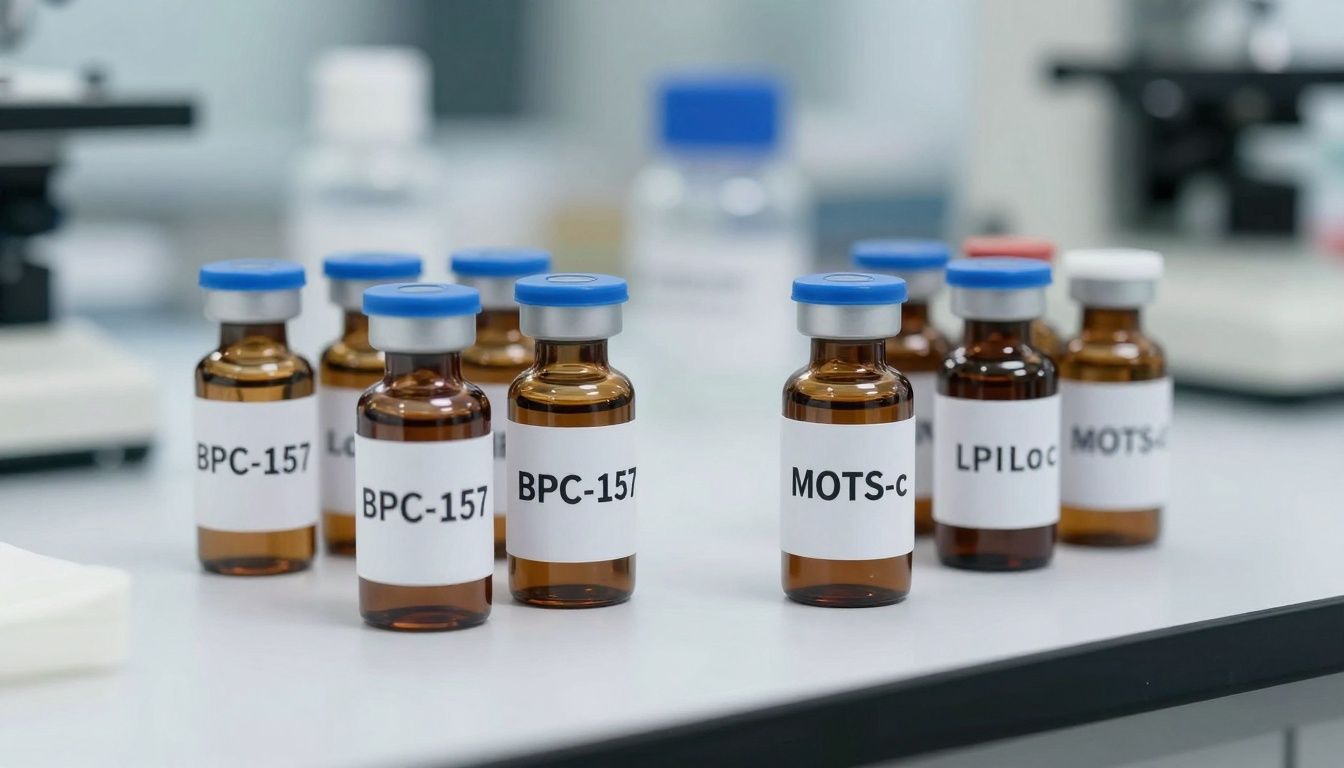
BPC-157: Peptide Intervention in Degeneration Overlap
BPC-157 is a synthetic peptide derived from gastric proteins, currently investigated for its tissue repair capacity. Although human data remain limited, preliminary trials suggest:
- Accelerated healing of tendon and muscle injuries in athletes
- Possible reduction in ocular inflammation
Safety Note: Human evidence in chronic age-related diseases remains preliminary. Consult clinical trial updates and regulated medical sources before considering use.
MOTS-c: Mitochondrial Peptide for “Degeneration Overlap Eye Muscle”
MOTS-c is a mitochondrially encoded peptide showing promising effects on systemic metabolism and cellular resilience:
- Early-phase clinical studies demonstrate improved muscle function and glycemic control in older adults
- Animal and in-vitro data suggest effects on retinal cell survival, warranting human studies in AMD
Caution: MOTS-c is not yet approved for clinical use, with human data restricted to small, early-phase trials. Larger randomized controlled trials (RCTs) are needed for both eye and muscle indications.
Diagnosing and Monitoring Overlapping Degeneration
Recognizing “vision muscle loss” as a syndrome allows for more holistic, proactive evaluation. Key assessment tools include:
- Functional Vision Testing: Advanced retinal imaging and visual acuity assessments
- Muscle Performance Measures: Grip strength, gait speed, and muscle mass indices (DXA, MRI)
- Laboratory Markers: Inflammatory cytokines, vitamin D and lutein blood levels, and markers of mitochondrial function
- Patient-Reported Outcomes: Quality of life, functional independence, and fall risk questionnaires
Integrated evaluation, especially in older adults at risk, can support earlier diagnosis and guide tailored interventions.

Can We Prevent Dual Degeneration? Evidence-Based Strategies
Lifestyle Approaches
Based on current human evidence, the following interventions are consistently associated with lower risk for both AMD and muscle loss:
- Regular Physical Activity: Both resistance and aerobic exercise help preserve muscle function and also maintain eye health through improved blood flow and reduced oxidative stress.
- Smoking Cessation: Immediate and substantial reductions in degeneration risk.
- Diet Rich in Antioxidants: High consumption of leafy greens (for lutein), fatty fish (for omega-3s), and low-glycemic index foods support long-term eye and muscle vitality.
- Adequate Protein Intake: Supports muscle maintenance; emerging evidence suggests it may also protect the retina, possibly through improved metabolic health.
Supplementation and Compounds: When Are They Useful?
Human clinical trials support limited but specific roles for compounds such as lutein and zeaxanthin (especially in early to moderate AMD, and possibly in muscle preservation). Other agents like BPC-157 and MOTS-c remain investigational.
Consult your healthcare provider for evidence-based, personalized strategies before initiating new supplements or therapies.
Future Directions: Precision Medicine and Individual Variation
Personalized, precision medicine approaches are increasingly recognized as crucial for addressing the intertwined pathways of vision and muscle loss. Current research is focusing on:
- Genetic Stratification: Identifying individuals most likely to benefit from targeted dietary or interventional strategies
- Biomarker Development: To monitor mitochondrial and inflammatory status
- Combination Interventions: Integrating lifestyle changes with compounds such as lutein, under medical supervision, to maximize overlap benefits
Progress in these areas may transform how we prevent—and potentially reverse—age-related “degeneration overlap eye muscle” syndromes in the coming decades.
Practical Takeaways
- Vision muscle loss reflects shared degeneration of the eye and skeletal muscle, driven by mitochondrial dysfunction, chronic inflammation, and cellular aging.
- Evidence-based lifestyle interventions—especially physical activity, antioxidant-rich diet, and smoking cessation—offer the strongest, safest path to prevention.
- Lutein supplementation, when clinically indicated, supports vision and may aid muscle health. Peptides such as BPC-157 and MOTS-c are under investigation but not yet established for routine clinical use.
- Early recognition and integrated assessment support better long-term outcomes.
- Speak to your healthcare professional about screening and personalized prevention strategies based on your risk profile.
Studies / References
- Antioxidant intake & muscle function: Higher total carotenoid intake, including lutein and zeaxanthin, is associated with less decline in grip strength and gait speed in adults over ~12 years. https://pubmed.ncbi.nlm.nih.gov/33181830/
- Physical activity & AMD risk: Over 15 years, regular physical activity was linked to a lower incidence of late age-related macular degeneration in community-dwelling older adults. https://pubmed.ncbi.nlm.nih.gov/17077116/
- Lutein/zeaxanthin status & musculoskeletal health: Higher plasma lutein and zeaxanthin concentrations are associated with better musculoskeletal health and lower frailty risk in older adults. https://www.sciencedirect.com/science/article/pii/S0531556522003229
- Inflammation & muscle decline: Elevated IL-6 and CRP predict loss of muscle mass over five years in older adults, highlighting inflammaging’s role in sarcopenia. https://academic.oup.com/ageing/article/40/4/469/46660
- Carotenoids & visual/cognitive function: Higher lutein and zeaxanthin status correlates with better visual-spatial processing and brain efficiency in older adults. https://pubmed.ncbi.nlm.nih.gov/29642425/