
Emerging research in mitochondrial biology has uncovered a new class of endogenous peptides that may influence aging, metabolism, and muscle function. Among these, MOTS-c has captured the attention of scientists and clinicians for its potential as a therapeutic compound in muscle and cellular health. This article provides an evidence-based overview of MOTS-c, focusing on human studies, mechanisms of action, safety, and its promising role within the landscape of mitochondrial peptide therapy.
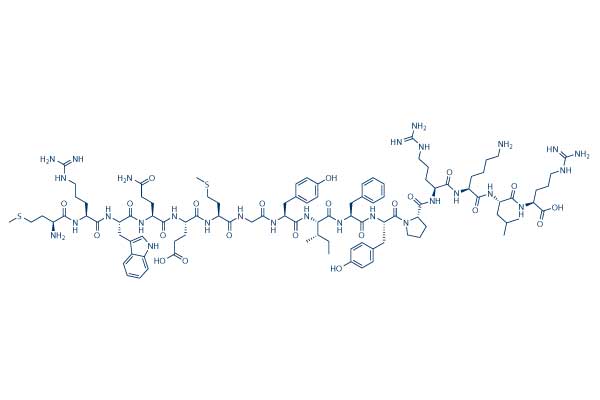
What is MOTS-c?
MOTS-c (Mitochondrial ORF of the Twelve S rRNA-c) is a small peptide encoded by the mitochondrial DNA. Unlike most proteins, which are encoded by nuclear genes, MOTS-c is produced within mitochondria and appears to act as a mitochondrial-derived signaling peptide (MDSP). Discovered only in recent years, it’s been shown in preclinical research to regulate metabolic homeostasis, stress responses, and cell survival—potentially influencing how cells age and adapt to metabolic stress.
The Role of MOTS-c in Human Biology
Initial studies explored MOTS-c in the context of:
- Muscle metabolism and adaptation
- Aging and age-related decline
- Insulin sensitivity and metabolic health
While most data is from animal and in vitro studies, a growing body of human research offers insight into its real-world application. MOTS-c levels decline with age, correlating with increased susceptibility to metabolic syndrome and sarcopenia (age-related muscle loss). These findings have fueled interest in mitochondrial peptide therapy as a promising avenue for maintaining muscle and cellular health.
Mechanisms of Action: How Does MOTS-c Work?
MOTS-c works by modulating several key pathways that are crucial for cellular energy balance and stress resilience:
- AMP-activated protein kinase (AMPK) pathway activation: MOTS-c enhances AMPK activity, which promotes glucose uptake, fatty acid oxidation, and mitochondrial biogenesis.
- Insulin signaling modulation: Enhanced insulin sensitivity in skeletal muscle may translate into better glucose control and energy utilization.
- Regulation of oxidative stress: MOTS-c helps buffer the intracellular environment against oxidative damage—a contributor to both aging and muscle degeneration.
- Cellular stress adaptation: The peptide supports cellular adaptation during metabolic stress, such as fasting or intense exercise, by promoting mitochondrial function and metabolic flexibility.
Key Takeaway: MOTS-c acts as a bridge between mitochondrial health and systemic metabolic regulation. This makes it an attractive therapeutic target for conditions related to aging and muscle decline.
Human Evidence for MOTS-c: What Do Clinical Studies Show?
Despite an abundance of animal data, clinical evidence is still emerging. However, several landmark human studies have provided important insights:
Study Highlights
- Age-Related Decline: Observational studies have shown that circulating MOTS-c levels decline with age, which is associated with increased risk of age-related diseases, such as type 2 diabetes and frailty.
- Muscle Health: In older adults, higher MOTS-c blood levels correlate with better muscle function, strength, and reduced frailty indices.
- Metabolic Health: Small trials suggest that MOTS-c administration can improve insulin sensitivity and glucose regulation in humans with metabolic syndrome features—although larger trials are needed to confirm long-term benefits and safety.
- Exercise Adaptation: Some data suggest a link between MOTS-c and muscle adaptation to physical activity, supporting its potential as an adjunct therapy for combating sarcopenia and muscle loss during aging.
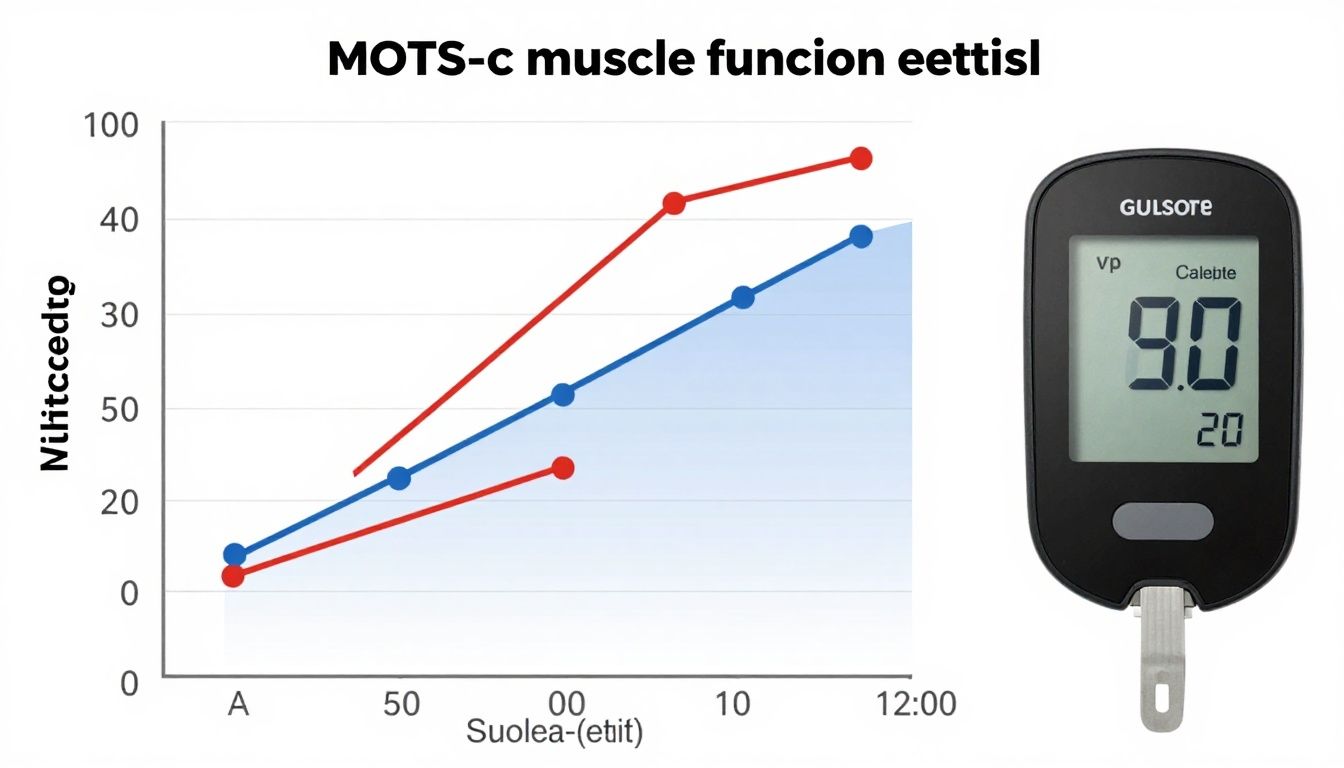
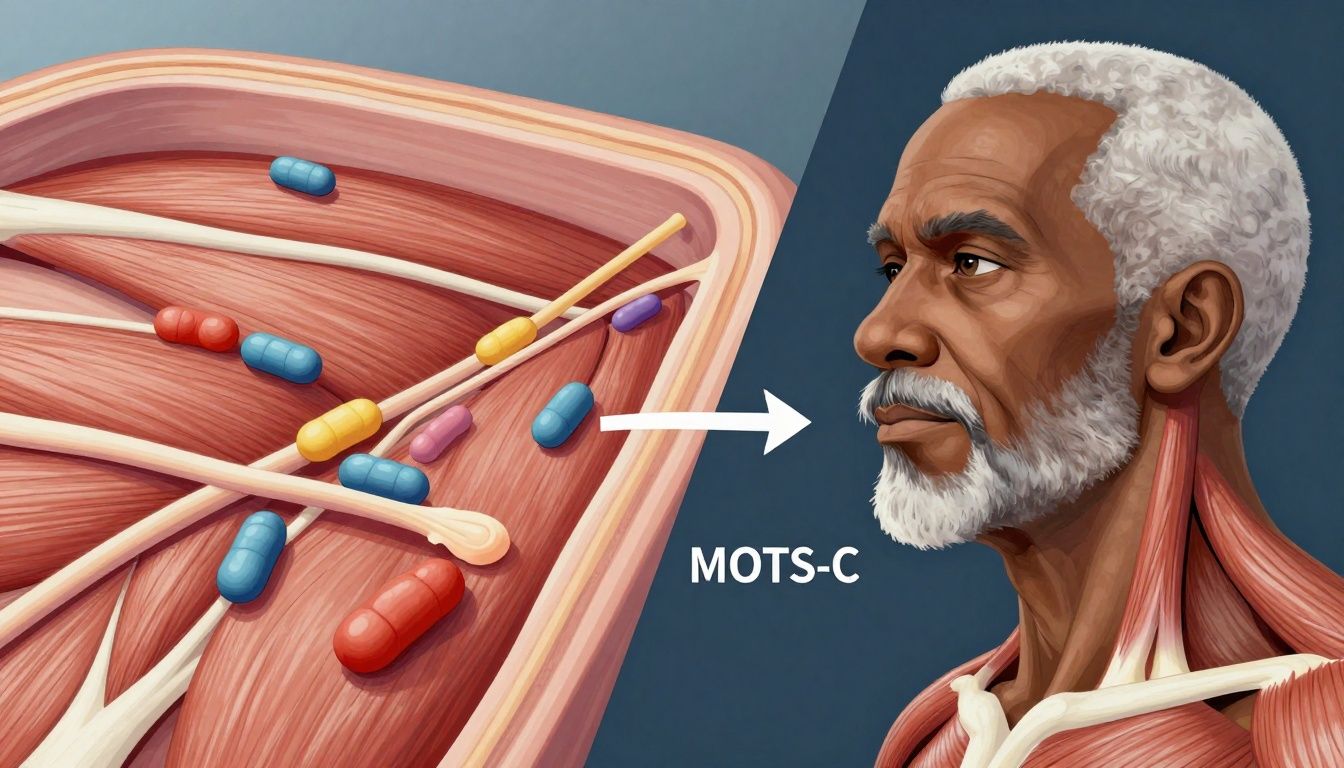
MOTS-c and Aging: Implications for Muscle Health
MOTS-c Peptide and Sarcopenia
Sarcopenia is a progressive loss of skeletal muscle mass and function with advancing age. The relationship between mitochondrial dysfunction and sarcopenia is well-established. MOTS-c, as a mitochondria-derived peptide, appears to target several underlying causes of sarcopenia, including:
- Impaired glucose uptake in muscle
- Poor mitochondrial energy production
- Deficient muscle regeneration
- Increased oxidative stress
Experimental evidence suggests MOTS-c peptide supplementation may:
- Enhance muscle fiber regeneration
- Improve mitochondrial function in aged muscle
- Reduce the risk of falls and physical decline in the elderly
Caveat: Human studies remain limited, and optimal dosing or long-term outcomes have yet to be established.
Therapeutic Applications: Mitochondrial Peptide Therapy
The concept of mitochondrial peptide therapy centers around using endogenous or synthetic peptides to restore mitochondrial and cellular health. As MOTS-c levels decline with age, supplementation may offer therapeutic possibilities in:
- Age-related muscle loss (sarcopenia)
- Metabolic syndrome and insulin resistance
- Fatigue and exercise intolerance in older adults
- Mitochondrial myopathies (investigational)
Clinical Potential and Current Limitations
Although MOTS-c holds promise, several real-world limitations remain:
- Formulation and Delivery: MOTS-c is a short peptide, and delivering it effectively (i.e., non-invasively or orally) is a major challenge.
- Safety and Long-Term Data: Human studies have evaluated MOTS-c for brief periods only. Potential off-target effects or long-term risks are largely unknown.
- Individual Variability: Differences in mitochondrial genetics, comorbid conditions, and age may influence who benefits the most.

Safety and Potential Interactions
Current Human Data
- Short-Term Use: Acute administration of MOTS-c appears well-tolerated in healthy adults based on available studies.
- Adverse Effects: No serious side effects have been observed in short-term clinical studies, but larger and longer trials are necessary.
- Potential Drug Interactions: As a mitochondrial peptide, MOTS-c could theoretically interact with drugs affecting mitochondrial function (e.g., metformin, statins), although no clinical interactions have been documented.
- Contraindications: There is currently insufficient data regarding use in pregnancy, children, or individuals with mitochondrial disease.
Important: Peptide therapies should only be administered in the context of clinical research or under expert medical supervision.
Comparing MOTS-c with Other Peptides in Aging
| Compound | Main Mechanism | Evidence for Muscle/Aging | Safety Data |
|---|---|---|---|
| MOTS-c | Mitochondrial signaling, AMPK activation | Early human, promising | Short-term, limited |
| BPC-157 | Tissue repair, angiogenesis | Preclinical, some human | Generally favorable |
| Humanin | Mitochondrial protection, anti-apoptotic | Observational in humans | Largely unknown |
| 5-Amino-1MQ | NAD”+ metabolism, muscle growth | Investigational, limited | Limited |
To learn more about peptides in aging, visit our BPC-157 evidence-based article.
Practical Questions: Who Might Benefit from MOTS-c?
- Older Adults at Risk of Muscle Loss: Those experiencing decline in mobility, frailty, or sarcopenia.
- People with Metabolic Syndrome: Particularly if linked to age-related insulin resistance.
- Individuals with Mitochondrial Dysfunction: Investigational contexts only.
Currently, there are no commercially approved formulations of MOTS-c. All clinical use is investigational.
MOTS-c in the Context of the Aging Research Landscape
The discovery of peptides like MOTS-c underscores the complex interplay between mitochondrial health, aging, and physical performance.
Muscle health is a cornerstone of healthy aging. Interventions aiming at mitochondrial renewal—including nutritional, lifestyle, and potentially peptide therapies like MOTS-c—may reshape how we approach age-related degeneration.
Studies / References
- A 2023 review of mitochondrial‑derived peptides including MOTS‑c highlights how circulating levels decline with age and discusses potential roles in age‑related diseases, metabolic regulation, and stress response. https://pubmed.ncbi.nlm.nih.gov/36233287/
- In a cross‑sectional study of healthy adults, plasma MOTS‑c levels decreased with age while skeletal muscle MOTS‑c expression showed age‑related differences, suggesting associations between MOTS‑c and muscle quality markers in older adults. https://pubmed.ncbi.nlm.nih.gov/32182209/
- A mechanistic review summarizes how MOTS‑c influences energy metabolism, stress adaptation, and aging processes via pathways such as AMPK, underlying its potential relevance to skeletal muscle and metabolic health. https://pubmed.ncbi.nlm.nih.gov/36670507/
- A pilot observational study in chronic peritoneal dialysis patients found that circulating MOTS‑c levels correlated with measures of sarcopenia risk and muscle performance, indicating possible biomarker utility in human muscle aging contexts. https://doaj.org/article/537521df8dee45da988952d16a154cda
- A case‑control analysis of mitochondrial peptides in Alzheimer’s disease and mild cognitive impairment showed differential expression of MOTS‑c and Humanin, suggesting links between mitochondrial signaling peptides and neurodegeneration or aging phenotypes. https://pubmed.ncbi.nlm.nih.gov/41303353/
Conclusion: Future Steps for MOTS-c in Muscle & Aging
MOTS-c represents a novel therapeutic approach, directly linking mitochondrial signaling to muscle and cellular health. While animal studies are promising, current human evidence highlights potential benefits in muscle strength, metabolic regulation, and healthy aging, but also underscores the need for more rigorous, long-term clinical trials.
In the evolving landscape of mitochondrial peptide therapy, MOTS-c exemplifies how targeting cellular energetics and stress pathways could help address the complex challenges of aging, muscle loss, and metabolic decline. Clinical caution, further research, and individualization of therapy will shape how MOTS-c finds its place among future interventions to promote vitality and healthspan.