
Age-related macular degeneration (AMD) is a leading cause of irreversible vision loss in adults over 60. Recent advances in nutritional research underscore the importance of specific nutrients, particularly lutein and zeaxanthin, in preserving eye health and potentially slowing the progression of AMD. In this article, we explore current human evidence, the biological mechanisms behind these compounds, and the practical considerations for individuals seeking to optimize their visual outcomes through science-led strategies.
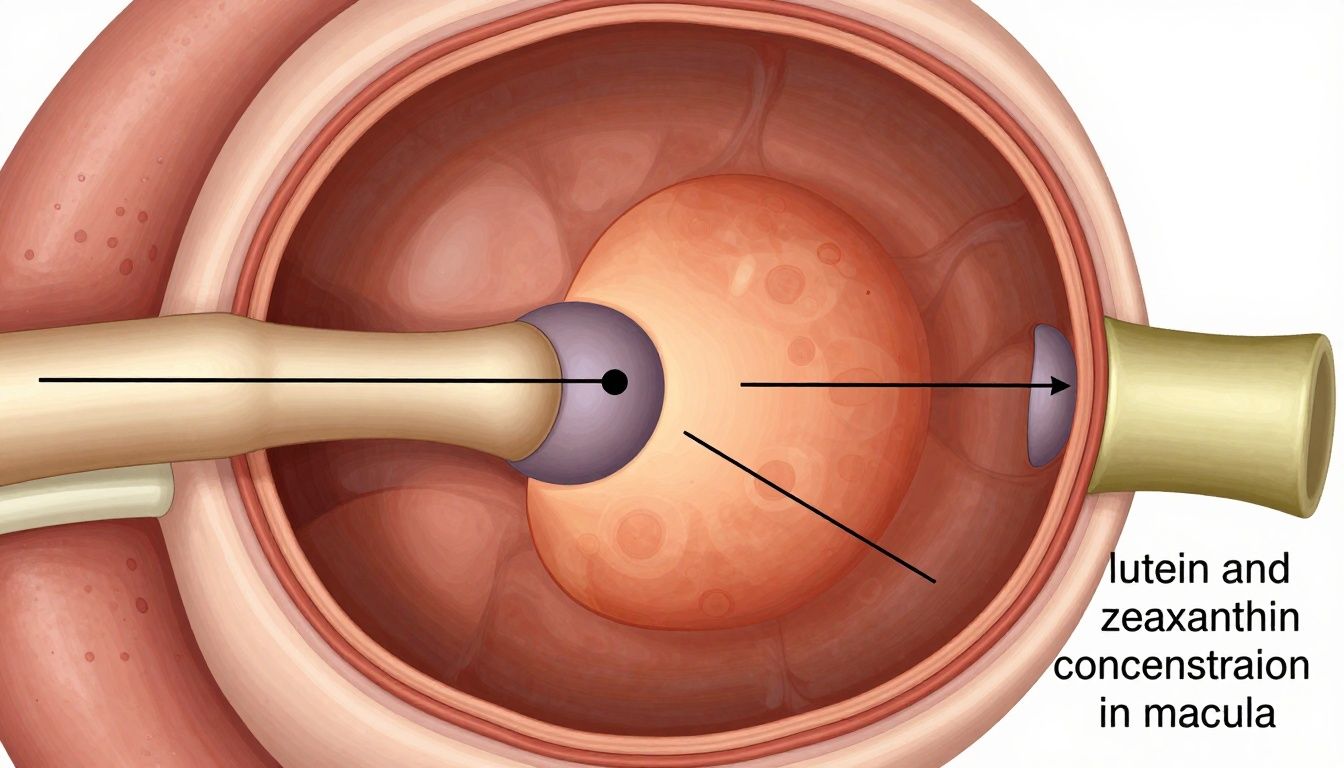
Understanding Age-Related Macular Degeneration (AMD)
AMD is a degenerative eye disorder involving progressive damage to the macula—the part of the retina responsible for sharp central vision. AMD is often divided into:
- Early/Intermediate AMD: Characterized by the presence of drusen (yellow deposits) and pigmentary changes
- Late AMD: Marked by either atrophy of macular cells (dry or atrophic AMD) or abnormal blood vessel growth (wet or neovascular AMD)
Symptoms include blurred or distorted central vision, difficulty reading, and challenges recognizing faces. The risk increases with age, smoking, genetic factors, and poor nutrition.
Why Focus on Lutein and Zeaxanthin?
Biological Role in the Eye
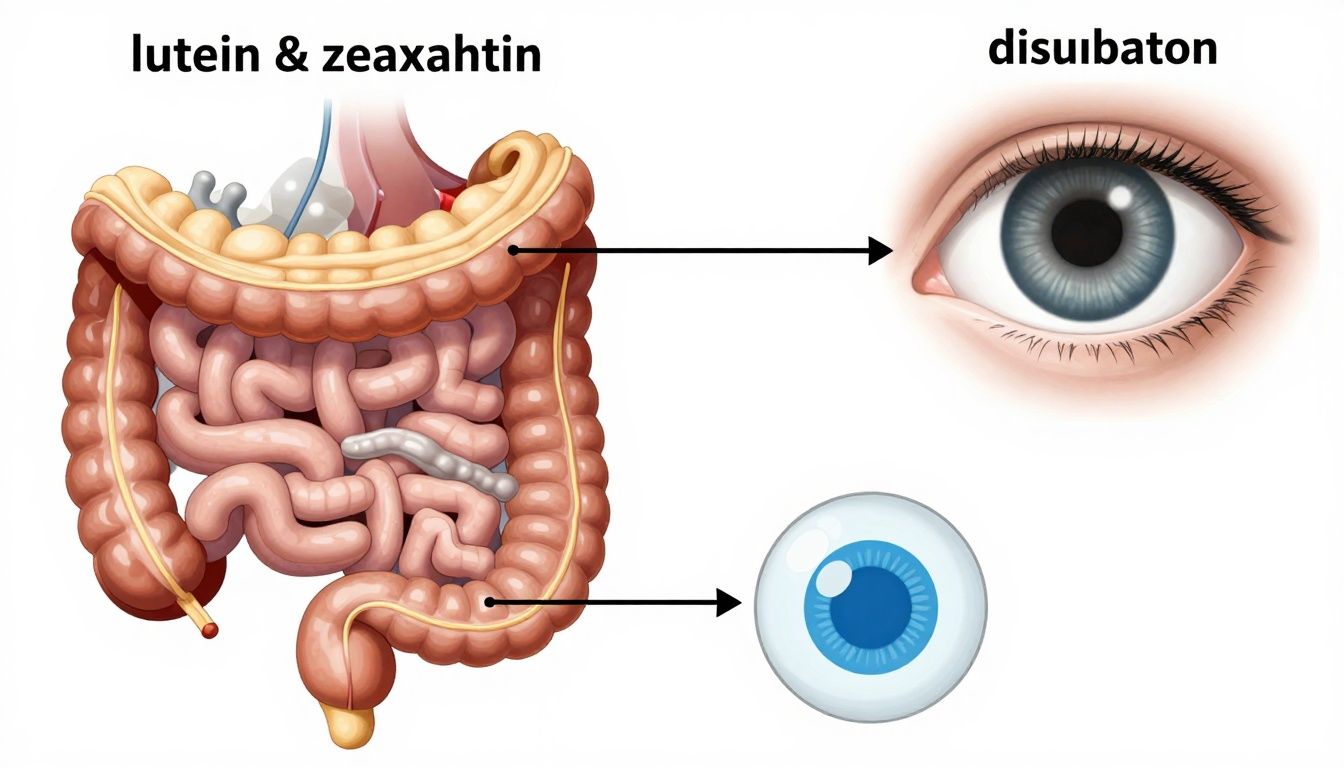
Lutein and zeaxanthin are carotenoids—plant-based pigments—that concentrate naturally in the human retina, especially the macula. Their key functions include:
- Filtering blue light, which can damage retinal cells
- Antioxidant action, protecting against oxidative stress
- Supporting structural health of the macular pigment
Natural Sources
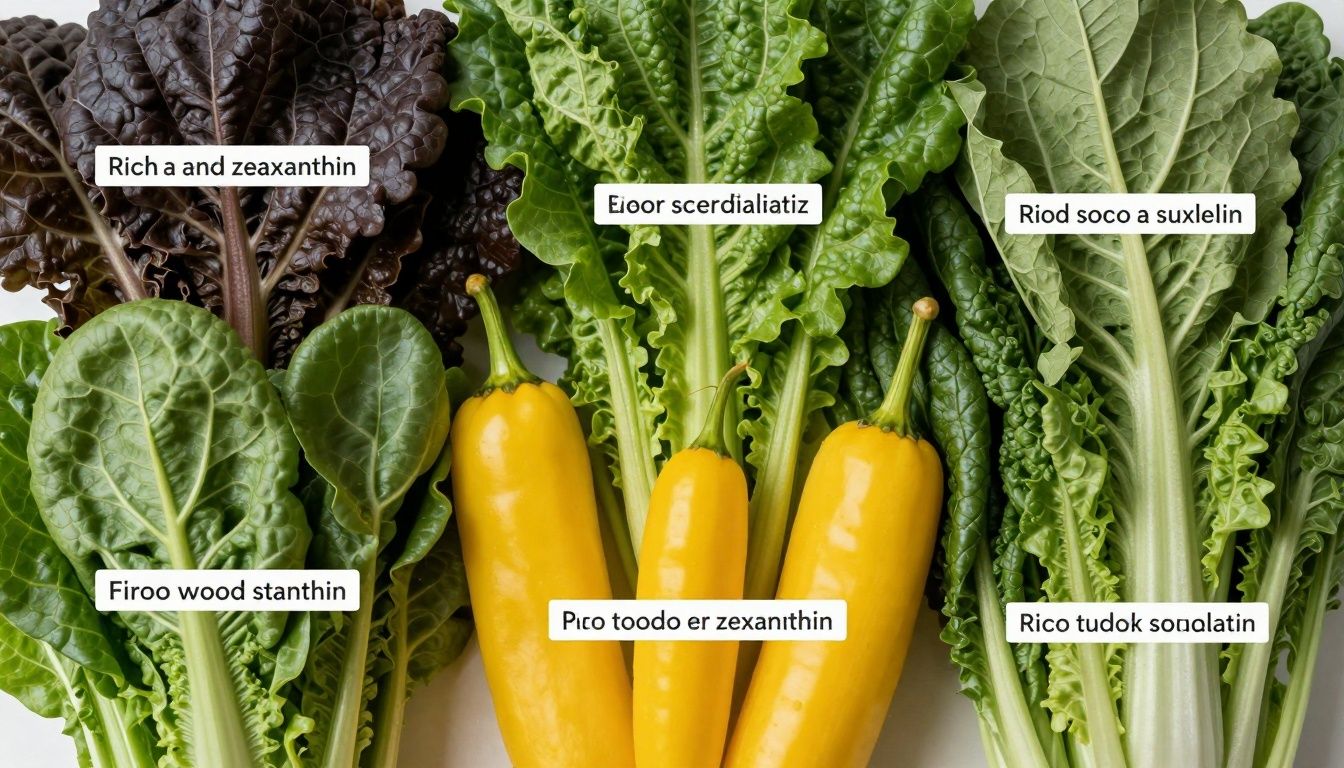
These nutrients are not synthesized by the body, requiring dietary intake. Rich sources include:
- Dark leafy greens (kale, spinach)
- Corn and orange/yellow vegetables
- Egg yolks (bioavailable form of lutein)
- Supplement formulations (for targeted dosage)
Mechanisms of Action: How Do Lutein and Zeaxanthin Protect Vision?
Blue Light Filtration
By absorbing high-energy blue wavelengths, these carotenoids reduce light-induced oxidative damage to photoreceptor cells. This protects the sensitive macular tissue responsible for detailed central vision.
Antioxidant Defense
Lutein and zeaxanthin neutralize reactive oxygen species (ROS), limiting cumulative oxidative injury—one of the core mechanisms of AMD progression.
Anti-Inflammatory Effects
Emerging research suggests these carotenoids may downregulate inflammatory pathways in retinal pigment epithelial cells, a process implicated in both dry and wet forms of AMD.
Enhancing Macular Pigment Optical Density (MPOD)
MPOD is a clinical measure of macular protection. Higher MPOD has been correlated with:
- Better visual acuity and contrast sensitivity
- Lower risk of AMD onset or progression
Supplementation has consistently demonstrated increases in MPOD in both healthy and AMD populations.
Human Evidence for Lutein and Zeaxanthin in AMD
Clinical Trials and Meta-Analyses
AREDS2 Trial: This landmark, multi-year study involved thousands of older adults at high risk of AMD progression. Supplementation with lutein (10 mg) and zeaxanthin (2 mg), alongside other micronutrients, demonstrated a statistically significant reduction in progression to advanced AMD—especially in individuals with lower baseline intake.
Other Randomized Controlled Trials: Additional studies have shown improvements in visual function, MPOD, and sometimes subjective visual quality in those receiving zeaxanthin supplements for AMD or healthy aging.
Practical Implications
- Lutein for eye health is now considered evidence-based and recommended by many clinicians for at-risk groups.
- There is currently no evidence that very high doses offer superior protection; more is not always better.
Who Should Consider Lutein and Zeaxanthin Supplementation?
- Individuals Diagnosed with Early/Intermediate AMD
- Older Adults at Genetic or Lifestyle Risk for AMD
- People with Low Dietary Intake of Leafy Greens or Eggs
Consult your ophthalmologist or a clinical nutritionist before starting any new supplement regimen, as needs and interactions vary by medical history.
Special Caution:
- Supplements should not replace medical procedures or standard care for wet AMD (such as anti-VEGF injections)
- Smokers may require special consideration due to potential interactions with carotenoid metabolism
Dietary Sources: Building Eye-Healthy Habits
To maximize retinal protection, experts recommend a diet abundant in green and yellow vegetables. A simple guide for your plate:
| Food | Lutein (mg/100g) | Zeaxanthin (mg/100g) |
|---|---|---|
| Kale, cooked | 12.0 | 0.4 |
| Spinach, cooked | 11.3 | 0.3 |
| Egg yolk | 0.2–0.3 | 0.1–0.15 |
| Corn, boiled | 0.3 | 0.5 |
| Orange bell pepper | 0.5 | 0.8 |
Tip: Fat enhances absorption—combine with olive oil or avocado.
Supplementation: What Does the Evidence Say?
- Doses of 6–12 mg lutein and 2 mg zeaxanthin per day are typical in clinical trials.
- Supplements formulated for “eye health” often contain both nutrients, sometimes with other antioxidants (zinc, vitamin C, vitamin E)
- High-dose supplements may be unnecessary unless advised by a clinician.
Safety and Interactions
- Lutein and zeaxanthin are well-tolerated at studied doses
- Rare side effects: Yellowing of skin (carotenodermia) in high intake, which is harmless and reversible
- No known serious drug interactions, but always disclose supplement use to your eye care provider
Research Caveats and Future Directions
While current evidence supports the use of lutein and zeaxanthin supplements AMD prevention and slowing progression, several important points deserve emphasis:
- Human studies show moderate effect sizes: These nutrients are protective, but not curative.
- Individual response varies due to genetics, baseline diet, and absorption efficacy.
- Synergy with other nutrients: Best results are seen in the context of a nutritious, balanced diet.
- Long-term safety is reassuring at clinical trial doses, though extremely high intakes are not well-studied.
- The role of genetic testing in predicting supplement benefit is an active area of research.
Frequently Asked Questions
How do I know if I’m getting enough lutein and zeaxanthin?
Blood tests and measurements of macular pigment density are available in specialized clinics, but a dietary assessment is often sufficient. Aiming for at least five servings of greens and yellow/orange vegetables weekly is a practical goal.
Are supplements better than food?
Supplements can help reach studied doses quickly and consistently, especially for those with restricted diets, but whole foods provide other synergistic nutrients.
When should supplementation begin for best effect?
Evidence suggests that early intervention is best, ideally before significant visual loss. However, benefits have been observed at various AMD stages.
Can lutein and zeaxanthin reverse existing central vision loss?
No compound, including these carotenoids, has been shown to reverse central vision damage. The effect is protective and preventive.
Practical Steps for Protecting Your Vision
- Adopt a plant-rich diet emphasizing dark greens, oranges, corn, and eggs
- Consult with your eye care provider for personalized recommendations
- Avoid smoking and manage cardiovascular risk factors
- Supplement if indicated after professional guidance
Studies / References
- Age-Related Eye Disease Study 2 (AREDS2) — A large multicenter randomized clinical trial of older adults at risk for progression to advanced AMD tested whether adding lutein (10 mg) and zeaxanthin (2 mg), with or without omega-3 fatty acids, to a standard antioxidant/zinc formulation reduced progression to late AMD. Secondary analyses found that lutein/zeaxanthin was a reasonable substitute for beta-carotene, particularly in former smokers, with modest benefit for late AMD progression when compared to no lutein/zeaxanthin. PubMed
- Effect of Lutein/Zeaxanthin on Macular Pigment and Visual Function — In patients with early age-related macular degeneration, randomized supplementation with lutein and zeaxanthin over 48 weeks significantly increased macular pigment optical density (MPOD), with trends toward improved visual function and contrast sensitivity, suggesting enhanced retinal protection. PubMed
- Meta-Analysis on Lutein/Zeaxanthin Supplementation and MPOD — A systematic review and meta-analysis pooling multiple randomized controlled trials showed that lutein/zeaxanthin supplementation significantly increased macular pigment optical density in both AMD patients and healthy adults, supporting the role of these carotenoids in retinal protection. PubMed
- AREDS2 Long-Term Follow-Up (Lutein/Zeaxanthin vs Beta-Carotene) — Longer-term analyses of the AREDS2 cohort found that participants taking lutein/zeaxanthin had a lower risk of lung cancer compared with those assigned to beta-carotene, and suggested a potentially beneficial association of lutein/zeaxanthin with late AMD progression, reinforcing the safety and possible protective effects of these carotenoids in high-risk populations. PubMed
- AREDS/AREDS2 Clinical Trial Overview (NIH) — The National Eye Institute provides authoritative context for the AREDS and AREDS2 findings, noting tha?utm_source=chatgpt.comt substituting lutein/zeaxanthin for beta-carotene in the AREDS formulation helped maintain protective effects against progression of AMD without the increased lung cancer risk seen with beta-carotene in smokers. National Eye Institute
Conclusion
Lutein and zeaxanthin play a crucial, evidence-based role in supporting eye health, especially for individuals at risk for or living with AMD. Integrating these carotenoids through a plant-centered diet and, where appropriate, supplements, represents a practical, low-risk intervention for preserving sight in aging populations. The protective benefits are maximized with early, sustained intake as part of a broader healthy lifestyle. For anyone keen to maintain visual clarity and quality of life as they age, these nutrients deserve center stage in their strategy.