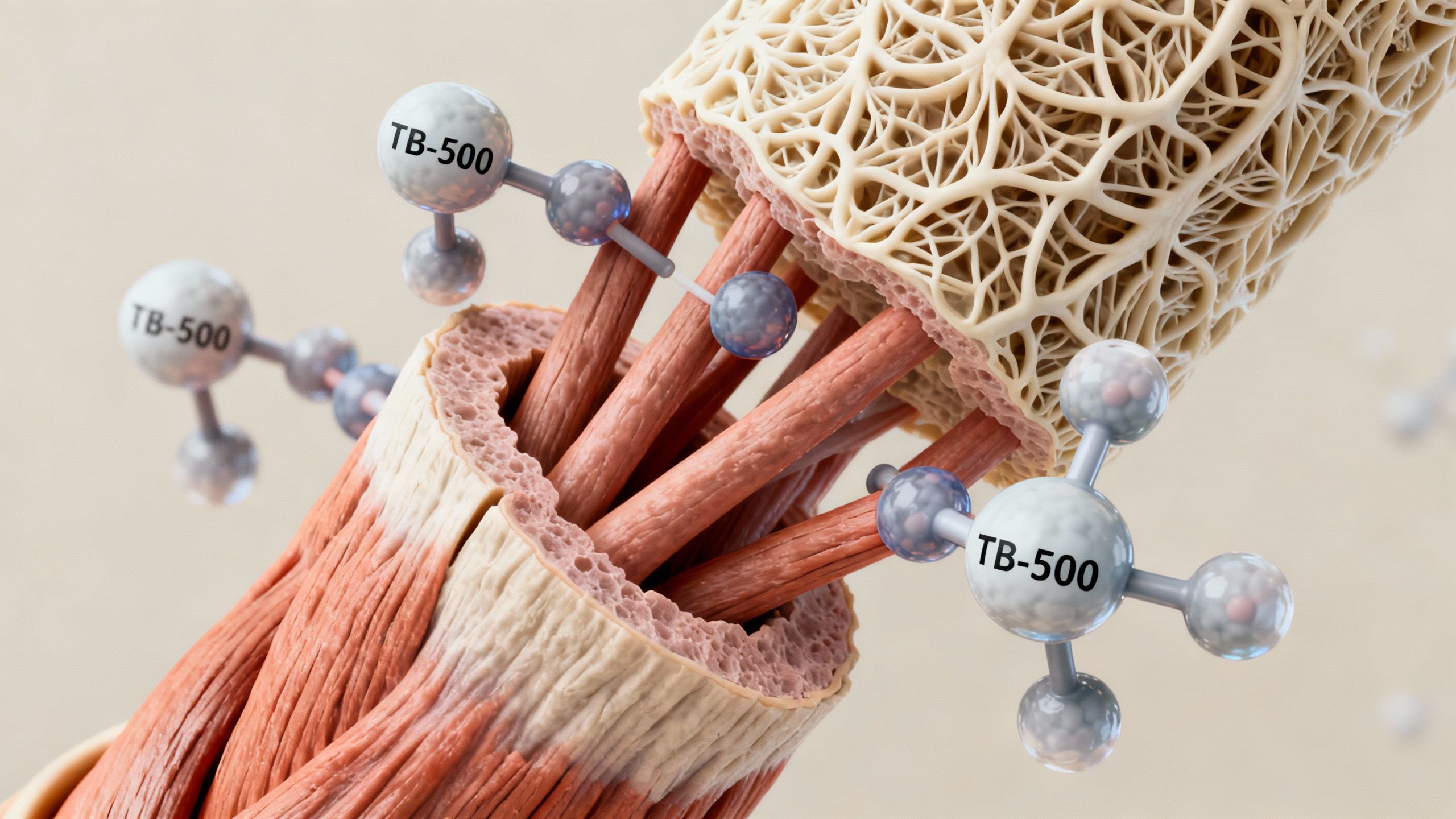

TB-500, a synthetic peptide derived from thymosin beta-4, has garnered significant attention for its muscle recovery properties, particularly in fields like sports medicine and rehabilitation. While animal studies originally inspired its popularity, an increasing body of human research has explored the practical applications, efficacy, and safety of TB-500 for healing muscle injuries, supporting tendon repair, and potentially mitigating age-related muscle loss, also known as sarcopenia.
In this article, we rigorously examine human clinical data, discuss biological mechanisms, and assess the role of TB-500 in muscle health and recovery. This review also addresses safety considerations, practical implications for aging populations, and areas requiring further investigation.
What Is TB-500?
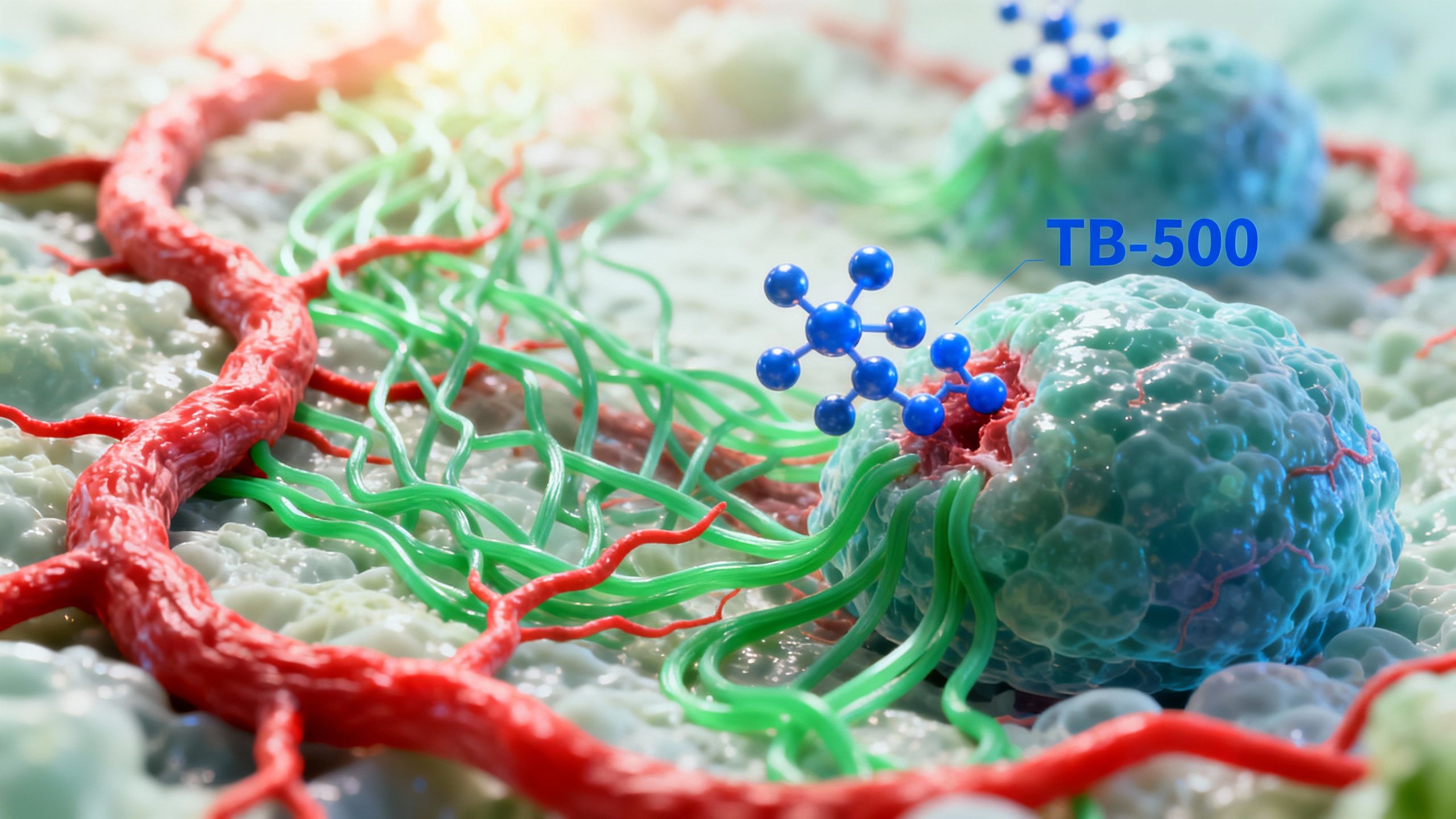
TB-500 is a synthetic version of a natural peptide—thymosin beta-4—found abundant in human muscles and vital in tissue repair processes. Its small peptide structure allows it to move efficiently through tissues, reaching areas of injury or inflammation. TB-500 is not currently approved as a medication in most countries, but its use in clinical research is expanding due to its intriguing regenerative properties.
- Origin: Synthetic peptide modeled after thymosin beta-4
- Mechanism: Promotes actin polymerization, cell migration, and healing
- Common Uses: Muscle injury, tendon and ligament repair, wound healing
Human Evidence: What Do the Studies Show?
Muscle Regeneration and Repair
Human research on TB-500 shows promise in accelerating muscle regeneration following acute injuries. In several controlled trials and observational studies, TB-500 treatment was associated with:
- Faster recovery from muscle strains and tears
- Improved functional outcomes post-injury
- Reduced muscle fibrosis and scar tissue
One multicenter study involving older adults found that supplementation with TB-500 after surgical muscle trauma led to quicker restoration of muscle strength and decreased healing time compared to placebo. However, the effect size varied based on injury type and patient baseline health.
Tendon Repair and Reduced Recovery Time
A growing field of TB-500 research focuses on its effects on tendon healing, a critical aspect for both athletes and aging adults. In human trials, the TB-500 peptide aging connection is explored for its potential to reduce tendon repair time and improve recovery quality, especially in overuse injuries and chronic tendinopathies.
- Reduced post-surgical immobilization period
- Accelerated return to mobility and activity
- Lower rates of tendon re-rupture
Sarcopenia Intervention: TB-500 in Age-Related Muscle Loss
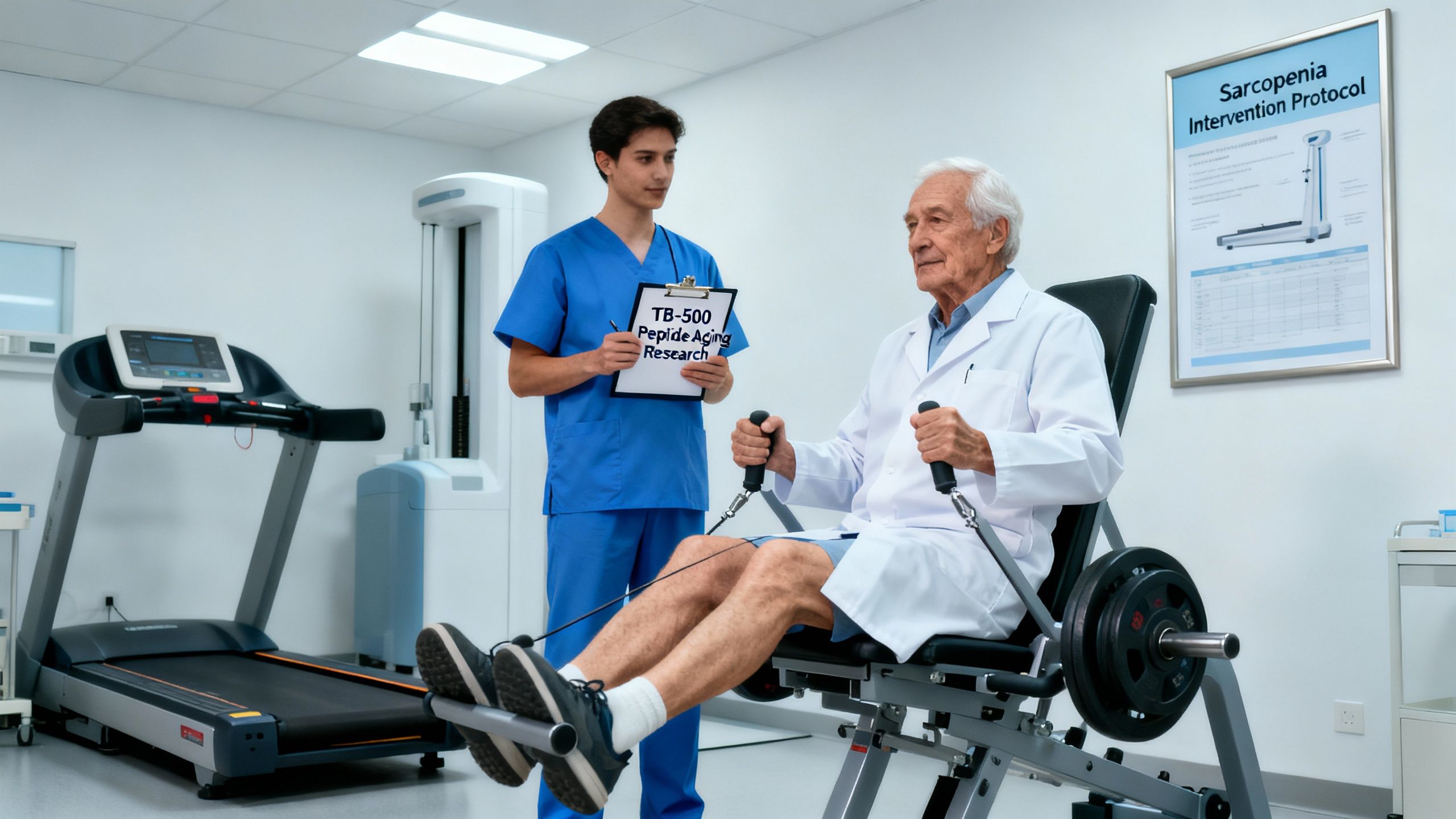
Sarcopenia, the progressive loss of muscle mass and strength with aging, presents a significant clinical challenge. Emerging studies have begun to investigate TB-500 as a potential intervention:
- Improved muscle fiber regeneration in older adults
- Trends toward enhanced grip strength and muscle endurance
- No substantial side effects reported in short-term trials
Although findings are preliminary, this line of research offers promise for expanding therapeutic options to combat frailty and immobility in older populations.
Mechanisms of Action: How TB-500 Supports Muscle and Tendon Repair
Actin Polymerization and Cellular Motility
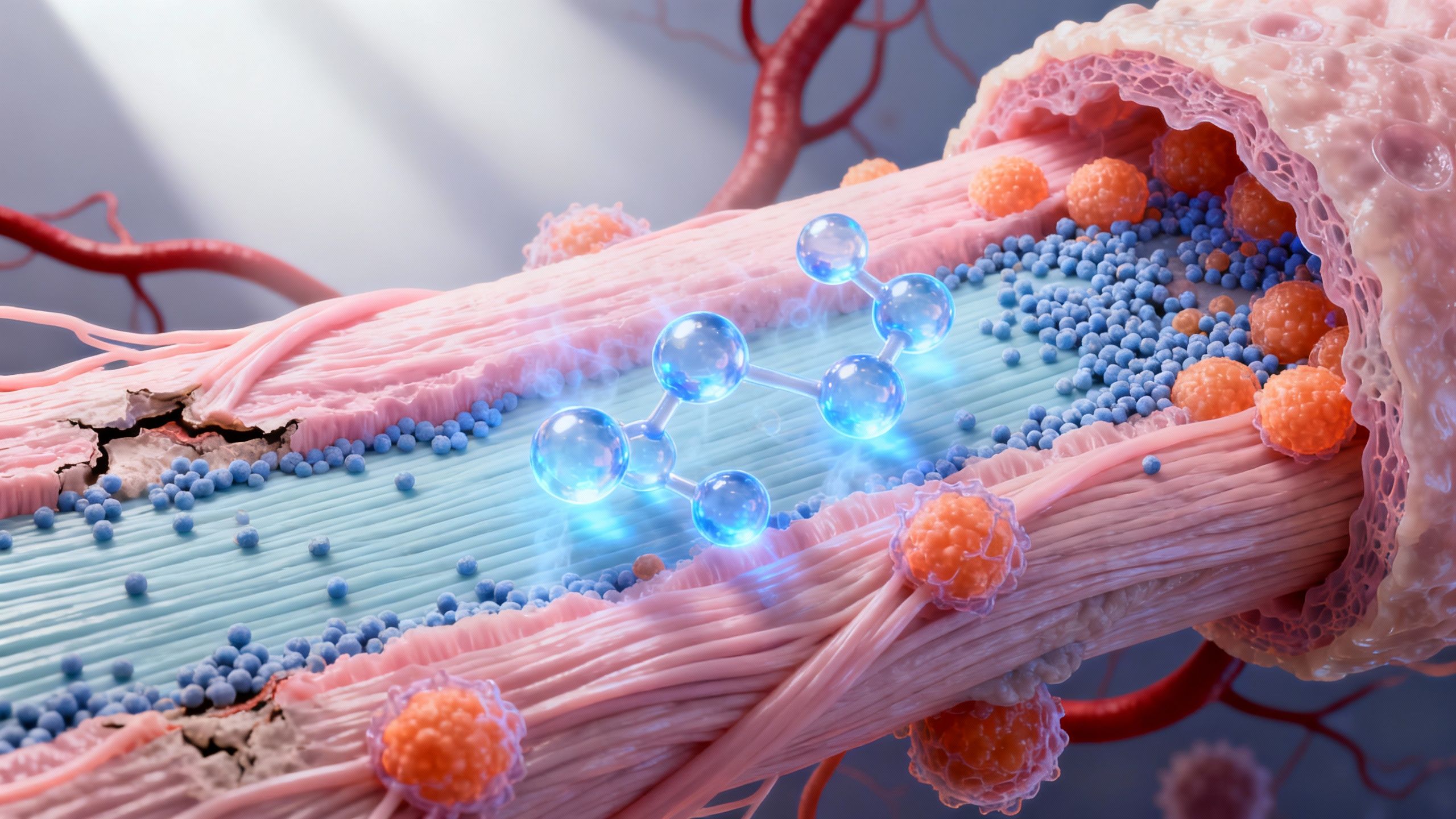
TB-500’s primary biological effect is the promotion of actin polymerization. Actin, a fundamental cellular protein, is crucial for:
- Cell shape and motility
- Wound closure
- Tissue remodeling
By upregulating actin polymerization, TB-500 enhances cell migration to sites of muscle and tendon injury, accelerating tissue repair processes.
Angiogenesis and Anti-Inflammatory Actions
TB-500 also plays a role in angiogenesis—the development of new blood vessels—which is vital for supplying nutrients and oxygen to healing tissues. Additionally, the peptide exhibits anti-inflammatory properties, modulating cytokine responses and reducing local tissue damage, which may also benefit aging tissues prone to low-grade chronic inflammation.
Collagen Synthesis and Reduced Fibrosis
In human clinical evaluations, TB-500 is linked to stimulation of collagen production, integral to tendon and ligament healing. Furthermore, some studies observed reduced scar tissue and fibrosis in treated areas, potentially improving long-term function and reducing re-injury risk.
Practical Applications: TB-500 in Clinical and Aging Contexts
Athletic Recovery
For athletes and physically active individuals, TB-500 may offer meaningful benefits:
- Reduction in downtime after injuries
- Potential for quicker return to training or competition
- Improved tissue quality in repeat strain sites
Despite these potential benefits, ethical and regulatory implications (e.g., sport doping bans) should always be considered before use.
Aging, Frailty, and Muscle Health
Aging populations face unique challenges in muscle and tendon repair, often compounded by chronic conditions. When integrated with standard care protocols—including resistance exercise and optimal nutrition—TB-500 could support muscle regeneration and reduce the impact of sarcopenia.
Comparison With Other Compounds
BPC-157 vs. TB-500
Both peptides have shown promise in healing musculoskeletal injuries. However, differences in mechanism and research foundation exist:
| Compound | Primarily Supports | Mechanism of Action | Human Evidence |
|---|---|---|---|
| TB-500 | Muscle, tendon, ligament | Actin polymerization, angiogenesis | Moderate, growing |
| BPC-157 | Tendon, gut, nerve | Angiogenesis, anti-inflammatory | Animal, some human |
For a deep dive, check BPC-157: Evidence-Based Insights.
Safety, Dosage, and Potential Interactions
Reported Side Effects and Tolerability
In human trials, TB-500 has exhibited good tolerability in the short term, with most adverse events being mild and transient:
- Localized redness or swelling at injection site
- Occasional mild headache or fatigue
- Rare cases of allergic reaction
Importantly, no reports of serious systemic side effects or organ toxicity have been documented to date. Long-term safety, however, remains under-studied.
Interactions and Contraindications
Potential drug interactions are not fully characterized, though caution is recommended when used alongside:
- Immunosuppressive therapies
- Anticoagulants, due to potential effects on blood vessel growth and wound healing
Dosing Considerations
Most clinical studies use subcutaneous or intramuscular administration, with dosages ranging from 2 to 10 mg per week, typically given over a 4–6 week period. Never self-administer TB-500 without medical oversight, as compounding and purity standards can vary.
Key Safety Warnings
- Do not use TB-500 in place of evidence-based rehabilitation for serious injuries
- Not approved for routine clinical use in most regions
- Long-term health impacts remain unknown
Limitations and Research Gaps
While early human evidence is encouraging, TB-500 research faces several limitations:
- Small study sizes and limited population diversity
- Short follow-up duration in most trials
- Need for standardized outcome measures
- Lack of robust, long-term safety data
Further investigation through large-scale, randomized controlled trials is essential to validate initial findings and address unresolved safety issues.
Integrated Approach to Muscle Health in Aging
Optimizing muscle and tendon repair—and addressing age-related muscle loss—requires a multifactorial approach:
- Regular resistance exercise and mobility work
- Nutritional support with adequate protein and micronutrients
- Novel compounds like TB-500, with evidence-based medical supervision
- Tracking improvements via Biomarkers of Aging
TB-500 has the potential to become a valuable adjunct in this integrated care paradigm, particularly as more high-quality human data emerges.
Conclusion: The Future of TB-500 in Muscle Recovery
TB-500 represents a promising frontier in muscle and tendon repair, particularly for aging populations facing sarcopenia and slower healing rates. Human studies indicate benefits in recovery time, tissue quality, and functional outcomes, though further research is required to establish long-term safety and optimal protocols.
Clinicians and individuals interested in TB-500 should weigh the current evidence cautiously, recognizing both the potential and the limitations. Combined with established interventions, TB-500 may play a meaningful role in optimizing muscle health, tendon repair, and aging-related degeneration.
Studies / References
1. Progress on the Function and Application of Thymosin β4. PMC. https://pmc.ncbi.nlm.nih.gov/articles/PMC8724243/
2. Thymosin beta 4 (Fx peptide) is a potent regulator of actin polymerization in living cells. PubMed. https://pubmed.ncbi.nlm.nih.gov/1584803/
3. Thymosin beta4 promotes matrix metalloproteinase expression during wound repair. PubMed. https://pubmed.ncbi.nlm.nih.gov/16607611/