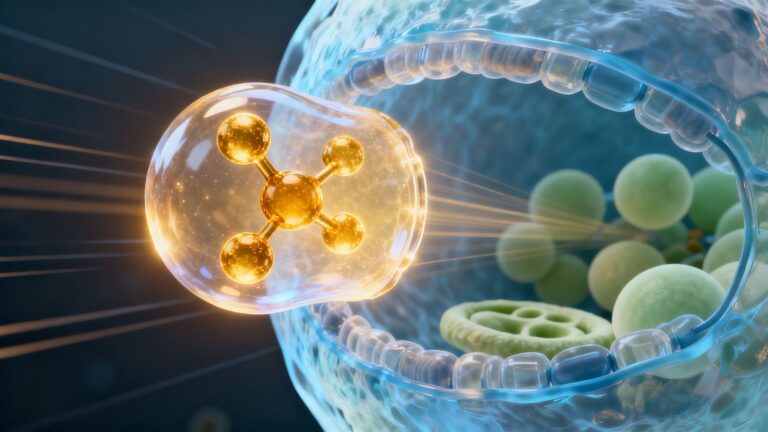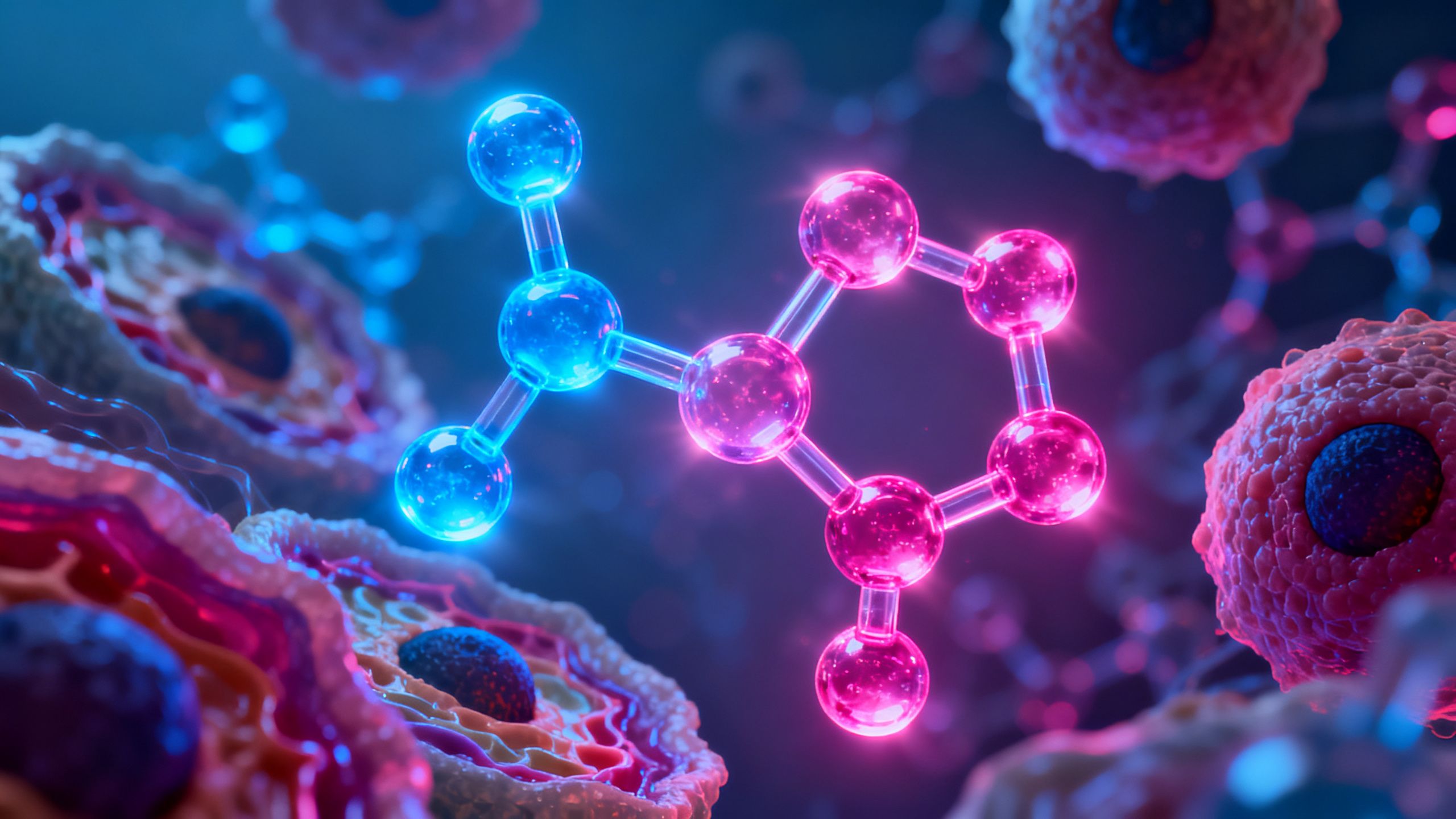

In the relentless pursuit of healthy aging, scientific research has zeroed in on key cellular processes that decline over time. Among the most compelling areas of study is the interplay between two molecules: Nicotinamide Adenine Dinucleotide (NAD⁺) and resveratrol. While each has been studied independently for its potential health benefits, the real excitement lies in their combined effects. This article delves into the evidence-based science behind combining NAD with resveratrol, exploring the mechanisms, human studies, and practical considerations for this powerful duo in the context of cellular longevity.
The Fundamental Processes of Cellular Aging
Aging is not a single event but a complex accumulation of damage and dysfunction at the cellular level. Scientists have identified several “hallmarks of aging,” which include genomic instability, telomere attrition, mitochondrial dysfunction, and cellular senescence. These processes contribute to the gradual decline in tissue and organ function that we associate with getting older.
Central to many of these hallmarks are two interconnected players: sirtuins, a family of proteins that act as cellular guardians, and NAD⁺, the essential fuel they require to function. As we age, NAD⁺ levels naturally plummet, impairing sirtuin activity and accelerating the aging process. This decline has made the strategy of boosting NAD⁺ and enhancing sirtuin function a primary target for longevity interventions.
What is NAD⁺ and Why Does It Decline with Age?
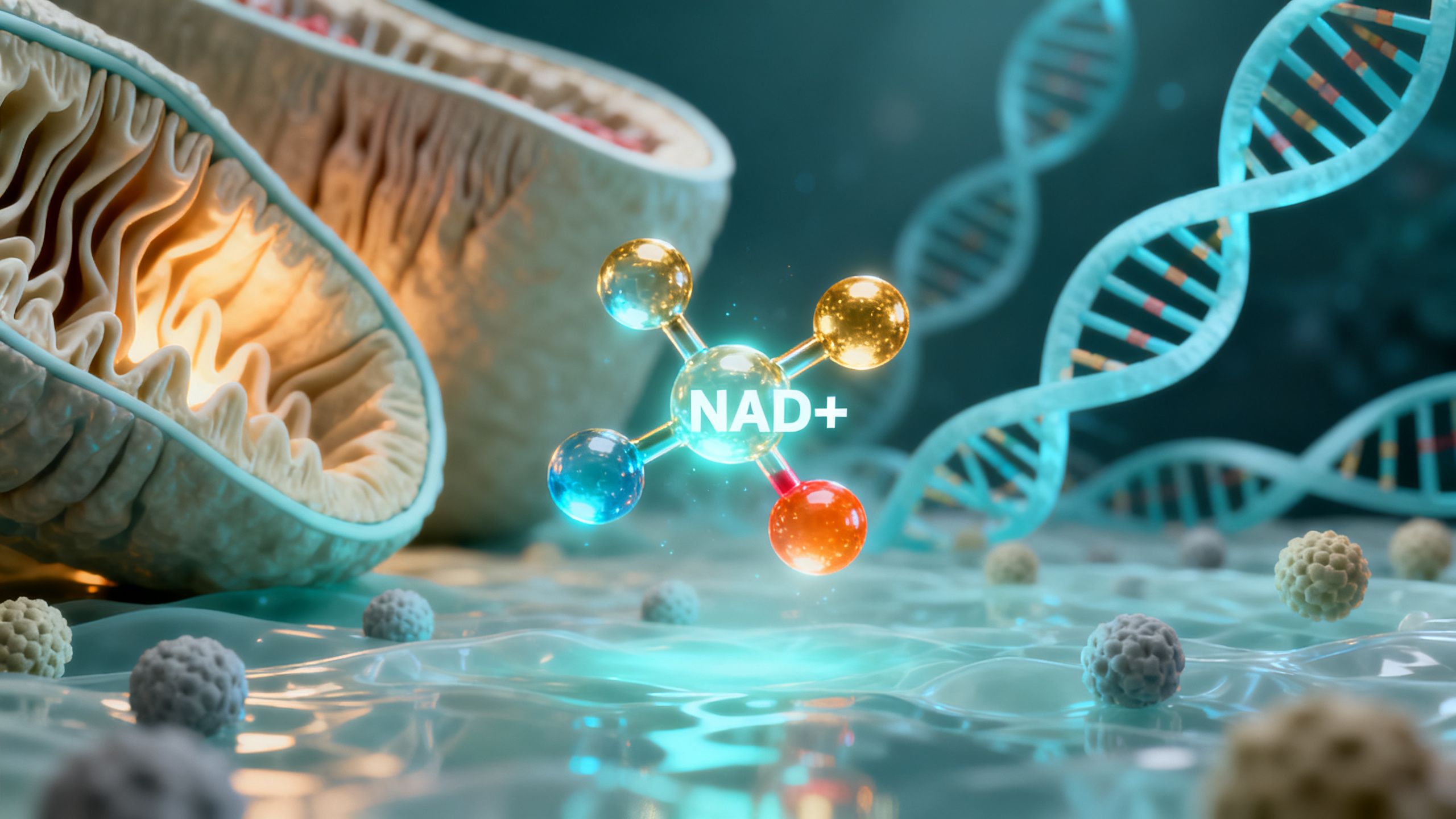
Nicotinamide Adenine Dinucleotide (NAD⁺) is one of the most abundant and critical molecules in the human body, present in every cell. It exists in two forms, NAD⁺ (oxidized) and NADH (reduced), and acts as a vital coenzyme in hundreds of metabolic reactions. Its roles are fundamental to life itself.
Key functions of NAD⁺ include:
- Energy Metabolism: NAD⁺ is indispensable for converting the food we eat into cellular energy (ATP) through processes like glycolysis and the Krebs cycle within the mitochondria.
- DNA Repair: It is a necessary substrate for enzymes called PARPs (Poly-ADP-ribose polymerases), which are activated in response to DNA damage to carry out repairs and maintain genomic stability.
- Gene Expression and Signaling: NAD⁺ is the sole fuel for the sirtuin family of proteins, which regulate gene expression related to stress resistance, inflammation, and metabolism.
Unfortunately, a robust body of evidence shows that NAD⁺ levels can decline by as much as 50% between the ages of 40 and 60. This decline is driven by a combination of factors, including reduced production and, more significantly, increased consumption by enzymes like CD38, an immune-related protein whose activity increases with age-related inflammation.
Boosting NAD⁺ Levels: The Role of Precursors
Directly supplementing with NAD⁺ is largely ineffective because the molecule is too large and unstable to be readily absorbed and utilized by cells. Instead, research has focused on providing the body with the building blocks, or precursors, that it can use to synthesize its own NAD⁺ through natural pathways.
The most studied NAD⁺ precursors in humans are:
- Nicotinamide Riboside (NR): A form of vitamin B3 that has been shown in numerous human trials to effectively and safely increase NAD⁺ levels in the blood and tissues.
- Nicotinamide Mononucleotide (NMN): Another key intermediate in the NAD⁺ synthesis pathway. While it has a strong body of preclinical evidence, human research is more recent but growing, also demonstrating its ability to raise NAD⁺ levels.
- Niacin (NA) and Nicotinamide (NAM): Older forms of vitamin B3 that can also increase NAD⁺ but come with limitations. Niacin can cause uncomfortable flushing, and high doses of nicotinamide may inhibit sirtuin activity, partially defeating the purpose.
These precursors, often referred to as NAD boosters with resveratrol when combined, provide the raw material needed to counteract the age-related decline in this essential coenzyme.
Resveratrol: The Polyphenol Powerhouse
Resveratrol is a natural polyphenol, a type of compound found in plants like grapes (and red wine), blueberries, and peanuts. It gained widespread attention through the “French Paradox”—the observation that French populations had relatively low rates of heart disease despite a diet high in saturated fat. While this paradox is now understood to be multifactorial, it sparked intense research into resveratrol.
Resveratrol’s primary mechanism of interest in the context of aging is its ability to activate sirtuins, particularly SIRT1. SIRT1 is a master regulator of cellular health, playing roles in:
- Mitochondrial Biogenesis: Promoting the creation of new mitochondria.
- Inflammation Control: Suppressing inflammatory pathways like NF-κB.
- Metabolic Regulation: Improving insulin sensitivity and glucose metabolism.
By directly binding to and activating SIRT1, resveratrol can mimic some of the effects of caloric restriction, a known longevity-promoting intervention. However, there’s a crucial catch: sirtuins are entirely dependent on NAD⁺ to function. This dependency is the foundation of the powerful partnership between resveratrol and NAD⁺ precursors.
The Synergy of NAD with Resveratrol: A Powerful Partnership
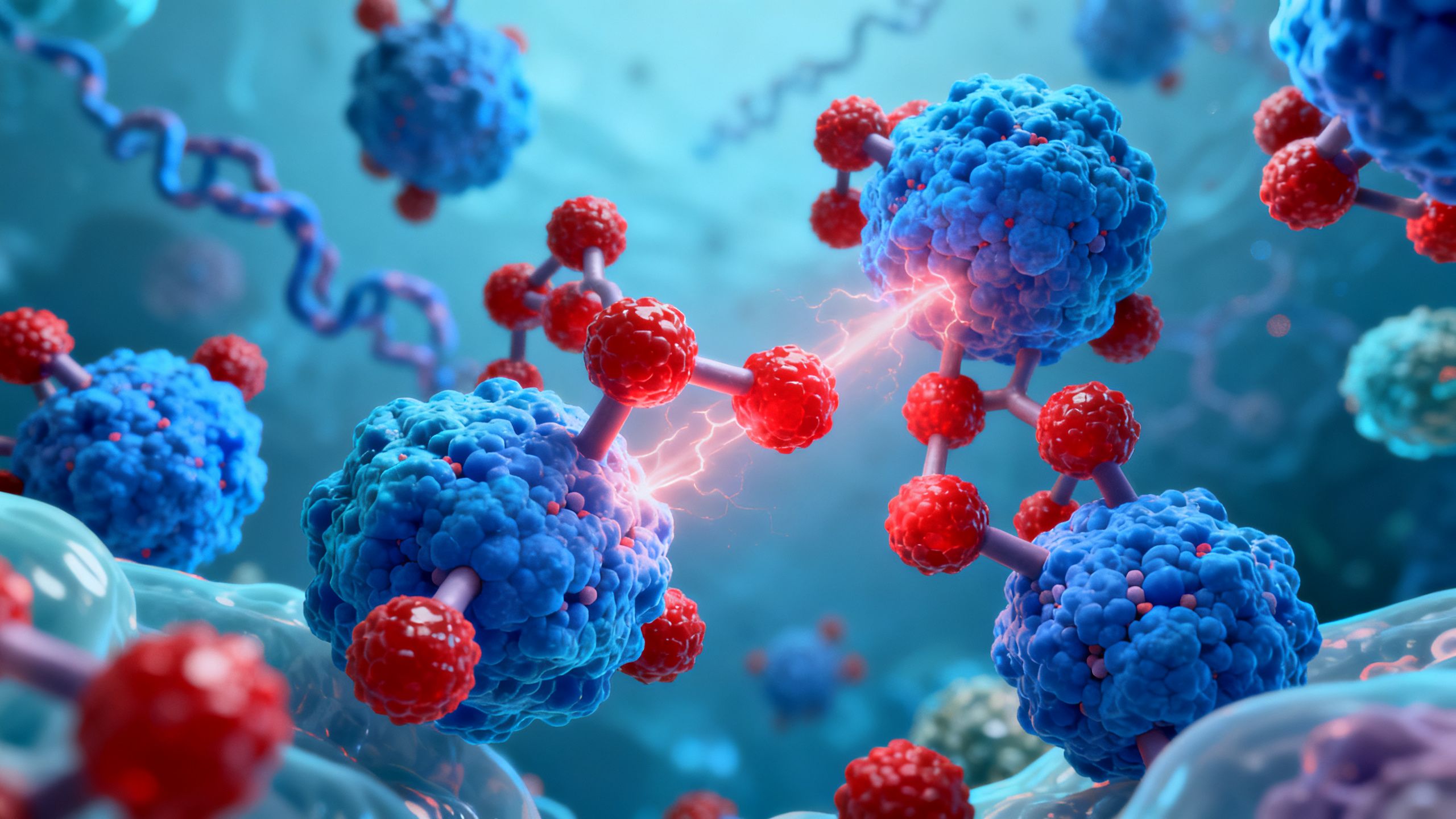
The theoretical basis for combining NAD⁺ and resveratrol is one of the most compelling stories in longevity science. It’s not just about adding two beneficial compounds together; it’s about creating a synergistic effect where each molecule enhances the function of the other. This NAD and resveratrol synergy operates through several key mechanisms.
1. Fueling the Engine of Longevity
Think of sirtuins as a high-performance engine for cellular maintenance and resveratrol as the accelerator pedal. Pressing the accelerator (resveratrol) revs the engine, but without fuel (NAD⁺), nothing happens. In fact, revving the engine without fuel can be counterproductive. By increasing sirtuin activity, resveratrol simultaneously increases the consumption of NAD⁺. If NAD⁺ levels are already low due to age, this increased demand could further deplete the cell’s supply.
Supplementing with an NAD⁺ precursor like NR or NMN provides the necessary fuel to meet this increased demand. This ensures that the sirtuin engine, activated by resveratrol, can run at full capacity to perform its vital functions, from repairing DNA to optimizing metabolism. This dynamic is the primary reason why the combination is considered more effective than either compound alone.
2. Supporting NAD⁺ Production
Beyond activating sirtuins, emerging research suggests another layer to the synergy: how resveratrol supports NAD levels directly. Some preclinical studies indicate that resveratrol may upregulate the expression of NAMPT (Nicotinamide phosphoribosyltransferase), the rate-limiting enzyme in the primary salvage pathway that recycles nicotinamide back into NAD⁺. By boosting the efficiency of this recycling machinery, resveratrol may help the body maintain a higher baseline level of NAD⁺, creating a positive feedback loop.
3. Indirect Metabolic Benefits
Resveratrol also has other effects that complement the actions of NAD⁺. For instance, it can inhibit enzymes called phosphodiesterases (PDEs). This action can lead to an increase in other signaling molecules that indirectly support mitochondrial function and metabolic health, creating a cellular environment where the benefits of elevated NAD⁺ can be more fully realized.
Human Evidence for Combining NAD⁺ and Resveratrol
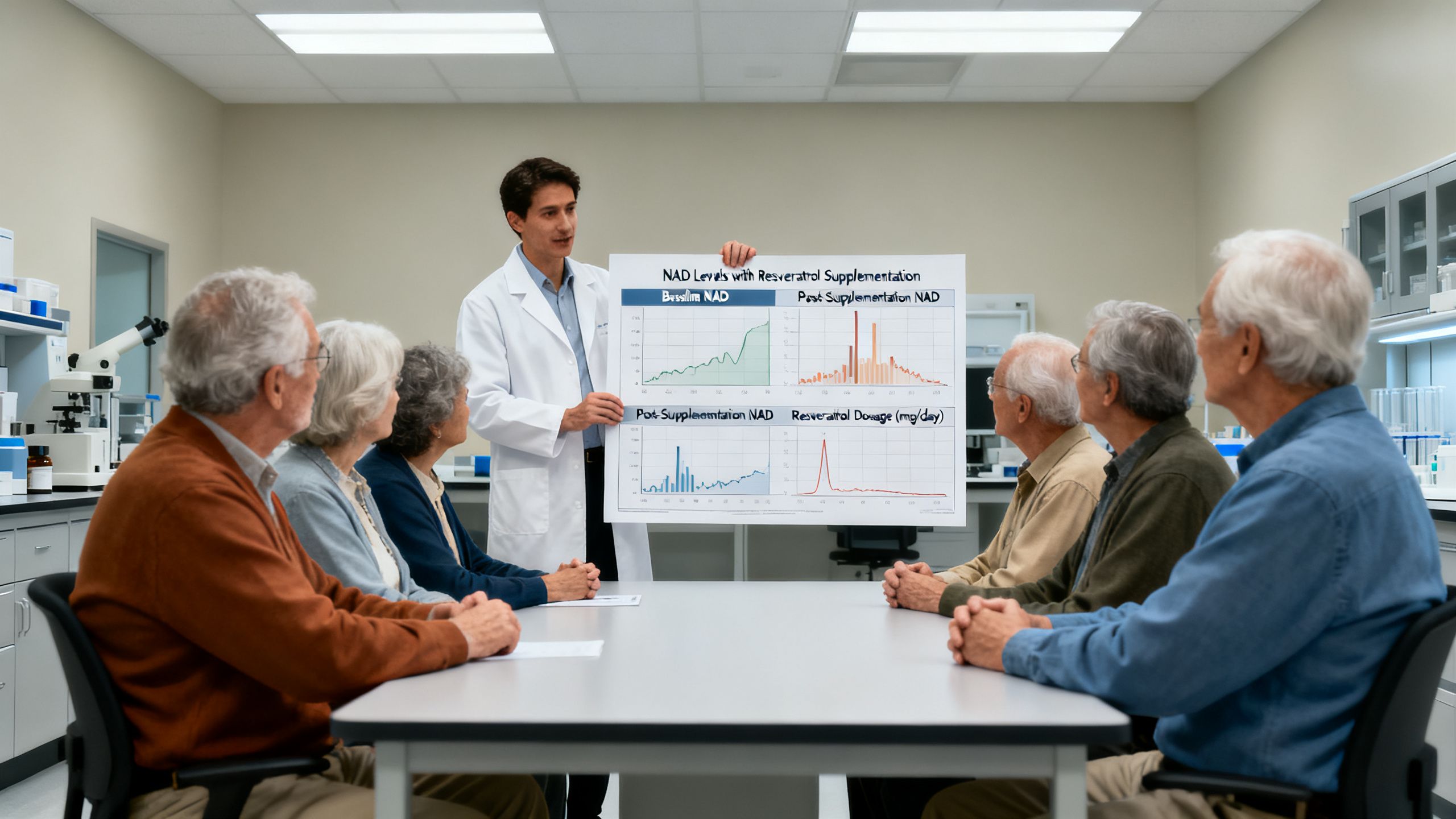
While the mechanistic theory is strong, the critical question is whether it translates to tangible benefits in humans. The research is still in its early stages, but several clinical trials have begun to explore the effects of this combination, yielding promising results, particularly in the realms of metabolic and cardiovascular health.
Most studies have not used resveratrol itself but rather pterostilbene, a structurally similar polyphenol found in blueberries. Pterostilbene has higher bioavailability than resveratrol and is believed to act through similar mechanisms. These studies often combine pterostilbene with nicotinamide riboside (NR).
One of the key areas of investigation has been cardiovascular health. A landmark study investigated the effects of a combination of NR and pterostilbene in middle-aged and older adults. The results showed a significant reduction in systolic blood pressure in participants with elevated baseline blood pressure. This suggests a potent effect on vascular health, a critical component of healthy aging.
Other studies have explored metabolic outcomes. Research in overweight and obese adults has examined how the combination affects body composition, resting metabolic rate, and lipid profiles. While not always showing dramatic weight loss, these studies have pointed towards subtle but significant improvements in metabolic markers, such as changes in cholesterol levels and other blood lipids.
It is important to note that the evidence is still evolving. Many studies are small, short in duration, and sometimes funded by manufacturers of the supplements. Nonetheless, the consistent signals seen across multiple human trials provide a strong foundation for future, larger-scale research into the NAD with resveratrol benefits.
Potential Benefits Explored in Research
Based on the existing human evidence, the combination of NAD⁺ precursors and resveratrol (or its analogs) appears to impact several key systems.
Metabolic Health and Insulin Sensitivity
One of the most consistent findings relates to metabolic function. Sirtuins play a crucial role in how cells respond to insulin and manage glucose. Human studies combining NMN and resveratrol have shown improvements in insulin sensitivity in muscle tissue of older adults. This is significant because declining insulin sensitivity (insulin resistance) is a precursor to type 2 diabetes and is closely linked to many other age-related diseases.
Cardiovascular Function
As mentioned, the impact on blood pressure is a notable finding. The mechanism is thought to involve improved endothelial function—the health of the cells lining our blood vessels. By activating SIRT1 in the endothelium, the combination may promote the production of nitric oxide, a molecule that helps blood vessels relax and dilate, thereby lowering blood pressure and improving blood flow. Some studies have also measured and found improvements in arterial stiffness, a key indicator of vascular aging.
Muscle Function and Physical Performance
Preclinical studies have shown dramatic improvements in muscle endurance and mitochondrial function. Human evidence is more modest but still intriguing. Some trials have reported trends towards improved muscle strength and physical performance, particularly in older, less active individuals. The proposed mechanism is an enhancement of mitochondrial biogenesis and efficiency within muscle cells, allowing them to produce more energy and resist fatigue.
Cognitive Health and Neuroprotection
This is a frontier area of research. The brain is a highly energy-demanding organ and is particularly vulnerable to declines in NAD⁺ levels. Preclinical models suggest that boosting NAD⁺ and activating sirtuins can be highly neuroprotective. Human trials are beginning to explore this. For example, studies have investigated whether the combination can improve cerebral blood flow. While definitive evidence for improved cognitive scores in healthy adults is still lacking, the strong mechanistic basis makes this a high-priority area for future investigation.
Safety, Dosage, and Practical Considerations
Before considering any supplement, it is crucial to understand the safety profile, typical dosages used in research, and potential interactions. Always consult with a qualified healthcare professional before starting any new supplement regimen.
Safety Profile and Side Effects
Both nicotinamide riboside and trans-resveratrol are generally well-tolerated at the doses commonly used in human studies. Nicotinamide riboside has received Generally Recognized as Safe (GRAS) notifications in the United States for doses up to 300 mg/day.
Side effects are typically mild and infrequent but can include:
- Mild to moderate gastrointestinal upset (nausea, indigestion)
- Headaches
- Flushing (less common than with niacin)
A key safety consideration is potential drug interactions. Resveratrol can have mild anti-platelet effects, so it should be used with caution by individuals on blood-thinning medications like warfarin. It may also interact with the metabolism of certain drugs in the liver. This underscores the importance of medical supervision.
Dosing in Human Studies
The dosages used in clinical trials provide a reference point for what is being studied, but they are not a prescription or recommendation. Typical ranges seen in combination studies are:
- NAD⁺ Precursors (NR or NMN): 250 mg to 1,000 mg per day.
- Resveratrol (or Pterostilbene): 100 mg to 500 mg per day.
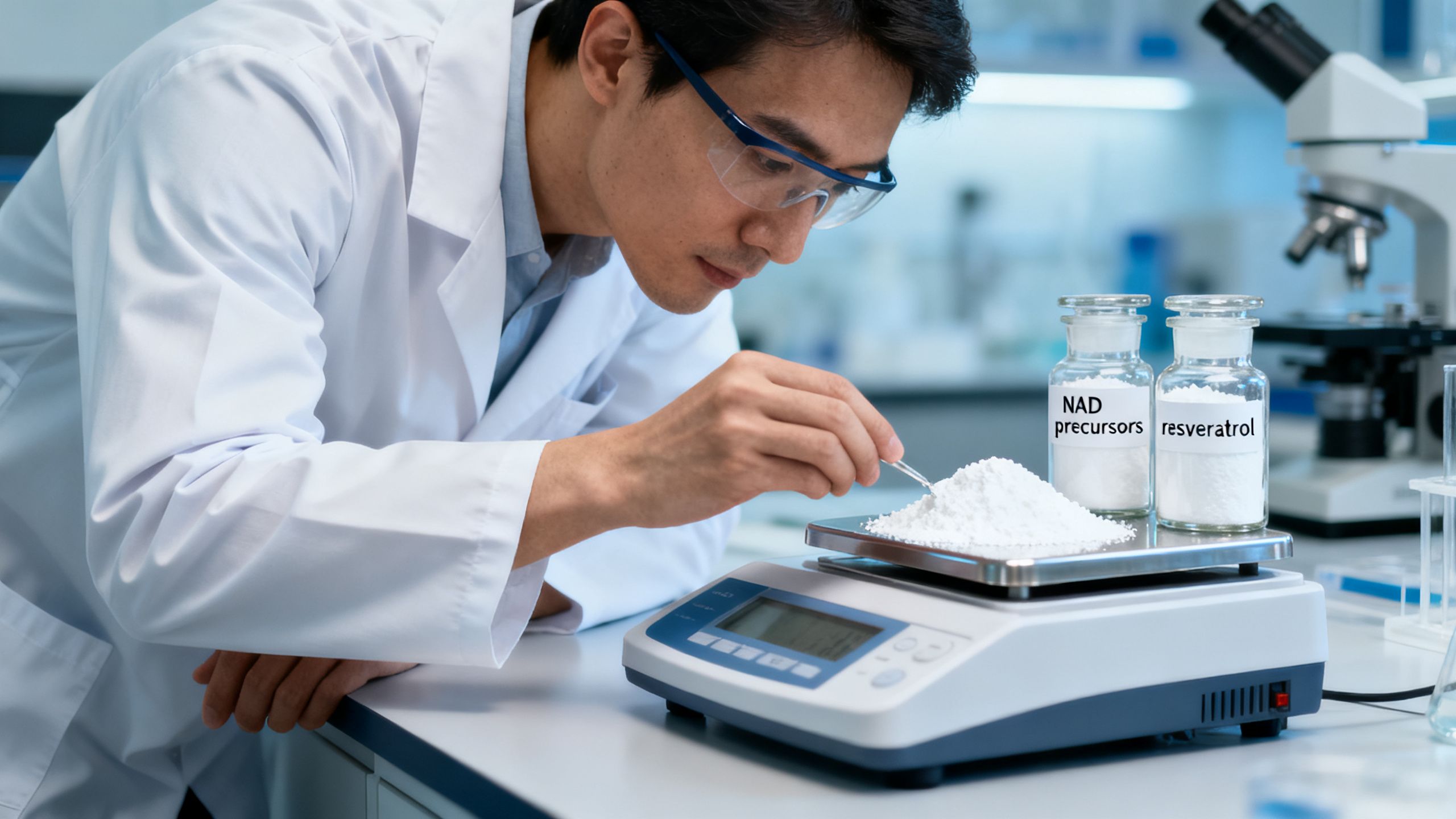
Some commercial products combine these ingredients into a single formulation. It is important to choose products from reputable manufacturers that provide third-party testing for purity and potency.
Bioavailability and Formulation
Standard resveratrol has notoriously poor bioavailability, meaning much of it is metabolized and excreted before it can exert its effects. To overcome this, researchers and manufacturers often use:
- Trans-Resveratrol: This is the more biologically active isomer of the molecule.
- Micronized Formulations: Grinding the resveratrol into very fine particles increases its surface area and absorption.
Similarly, the stability and delivery of NAD⁺ precursors can vary. Choosing a well-formulated product is key to ensuring that the active ingredients are effectively delivered to your cells.
Studies / References
1. Repeat Dose NRPT (NR + Pterostilbene) Increases NAD⁺ in Humans
This randomized, double‑blind, placebo‑controlled trial showed that combining nicotinamide riboside (NR) with pterostilbene — a compound similar to resveratrol — significantly increases blood NAD⁺ levels in older adults.
https://pubmed.ncbi.nlm.nih.gov/30155270/
(This is one of the most relevant human studies for “NAD + resveratrol” synergy discussion, since pterostilbene has a similar biochemical role and better bioavailability than resveratrol itself.)
2. NRPT Increases NAD⁺ in Patients With Acute Conditions
Another human trial (in hospitalized patients) found that NRPT safely increased whole blood NAD⁺ levels, further supporting that NR + pterostilbene combinations boost NAD in humans.
https://pubmed.ncbi.nlm.nih.gov/32791973/
3. Nicotinamide Riboside and Exercise Study (Cardiovascular Context)
While primarily focused on exercise + NR, this human clinical context supports the idea that NAD precursors can influence cardiovascular/metabolic outcomes in adults — giving clinical grounding to your statements about vascular health.
https://pubmed.ncbi.nlm.nih.gov/40770531/
Important Note
Resveratrol directly combined with NR or other NAD precursors has limited or mixed human evidence so far. In one PAD trial, NR improved walk performance, and adding resveratrol did not significantly enhance it — but the overall NAD‑boosting effect of precursors alone is clear.
https://pubmed.ncbi.nlm.nih.gov/38871717/
Conclusion: The Future of NAD with Resveratrol in Longevity Science
The combination of NAD with resveratrol represents a sophisticated, mechanism-based strategy for targeting key aspects of cellular aging. The synergy is clear: NAD⁺ precursors provide the essential fuel, while resveratrol acts as the accelerator for the sirtuin enzymes that protect and maintain cellular health. This powerful partnership moves beyond simply supplementing individual ingredients to creating a coordinated effect that is theoretically greater than the sum of its parts.
Human evidence, while still developing, is encouraging. Studies consistently show that the combination is safe and effective at increasing NAD⁺ levels, and early results point towards tangible benefits in cardiovascular health, metabolic regulation, and potentially cognitive function. However, it is crucial to maintain a medically cautious perspective. These compounds are not a magic bullet or a substitute for a healthy lifestyle, which remains the cornerstone of longevity.
The future of research in this field will involve larger, longer-term clinical trials to confirm these benefits, clarify optimal dosing, and identify which populations stand to gain the most. As our understanding of the intricate dance between NAD⁺ and sirtuins deepens, the strategy of combining NAD⁺ boosters with sirtuin activators like resveratrol will undoubtedly remain at the forefront of evidence-based longevity science.