
Curcumin, the vibrant yellow polyphenol derived from the turmeric root (Curcuma longa), has been a cornerstone of traditional Ayurvedic medicine for centuries. In modern science, it is celebrated for its potent antioxidant and anti-inflammatory properties, making it one of the most researched plant compounds in the world. However, the promise of curcumin has long been hampered by a significant, well-documented challenge: its extremely poor bioavailability. The body struggles to absorb standard curcumin, meaning much of what is ingested is rapidly metabolized and excreted before it can exert its systemic benefits. This is where scientific innovation steps in, offering a solution that dramatically enhances its efficacy.
This article delves into Curcumin Phytosome, an advanced formulation designed specifically to overcome the absorption barriers of standard curcumin. We will explore the science behind phytosome technology, compare its absorption rates to conventional extracts, and review the human clinical evidence supporting its potential benefits for inflammation, joint health, and healthy aging. Understanding the distinction between different curcumin forms is crucial for anyone looking to harness the full therapeutic potential of this remarkable compound.

The Bioavailability Challenge of Standard Curcumin
To appreciate the innovation of the phytosome delivery system, one must first understand why standard curcumin struggles to be effective when taken orally. Bioavailability refers to the proportion of a substance that enters the bloodstream after ingestion and is therefore available to have an active effect on the body. For standard curcumin powder or 95% curcuminoid extracts, this figure is remarkably low.
The primary reasons for curcumin’s poor bioavailability are multifaceted:
- Low Aqueous Solubility: Curcumin is lipophilic, meaning it is fat-soluble, not water-soluble. This makes it difficult for it to dissolve in the aqueous environment of the gastrointestinal tract, which is a prerequisite for absorption through the intestinal wall.
- Rapid Intestinal and Liver Metabolism: Even the small amount of curcumin that is absorbed is subject to extensive and rapid metabolism. In the intestinal lining and the liver, it undergoes a process called conjugation (specifically, glucuronidation and sulfation). This process effectively neutralizes the curcumin molecules, converting them into inactive metabolites that are then quickly eliminated from the body.
- Rapid Systemic Elimination: The curcumin that does manage to enter the bloodstream in its free, active form is cleared very quickly, with a short half-life. This means it doesn’t have much time to travel to tissues and exert its effects.
For years, the most common strategy to mitigate this issue was to combine curcumin with piperine, an extract from black pepper. Piperine can inhibit the glucuronidation process in the liver, thereby increasing curcumin’s blood levels. While this method offers a modest improvement, it does not address the initial absorption problem and is significantly less effective than more advanced delivery systems like phytosomes.
What is a Phytosome? Understanding the Delivery System
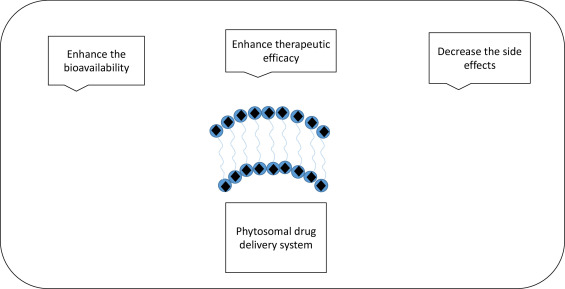
A phytosome is a sophisticated botanical delivery system that binds a plant extract or polyphenol directly to a phospholipid, most commonly phosphatidylcholine (PC). Phosphatidylcholine is a primary component of our own cell membranes, making it an ideal carrier molecule that the body readily recognizes and utilizes.
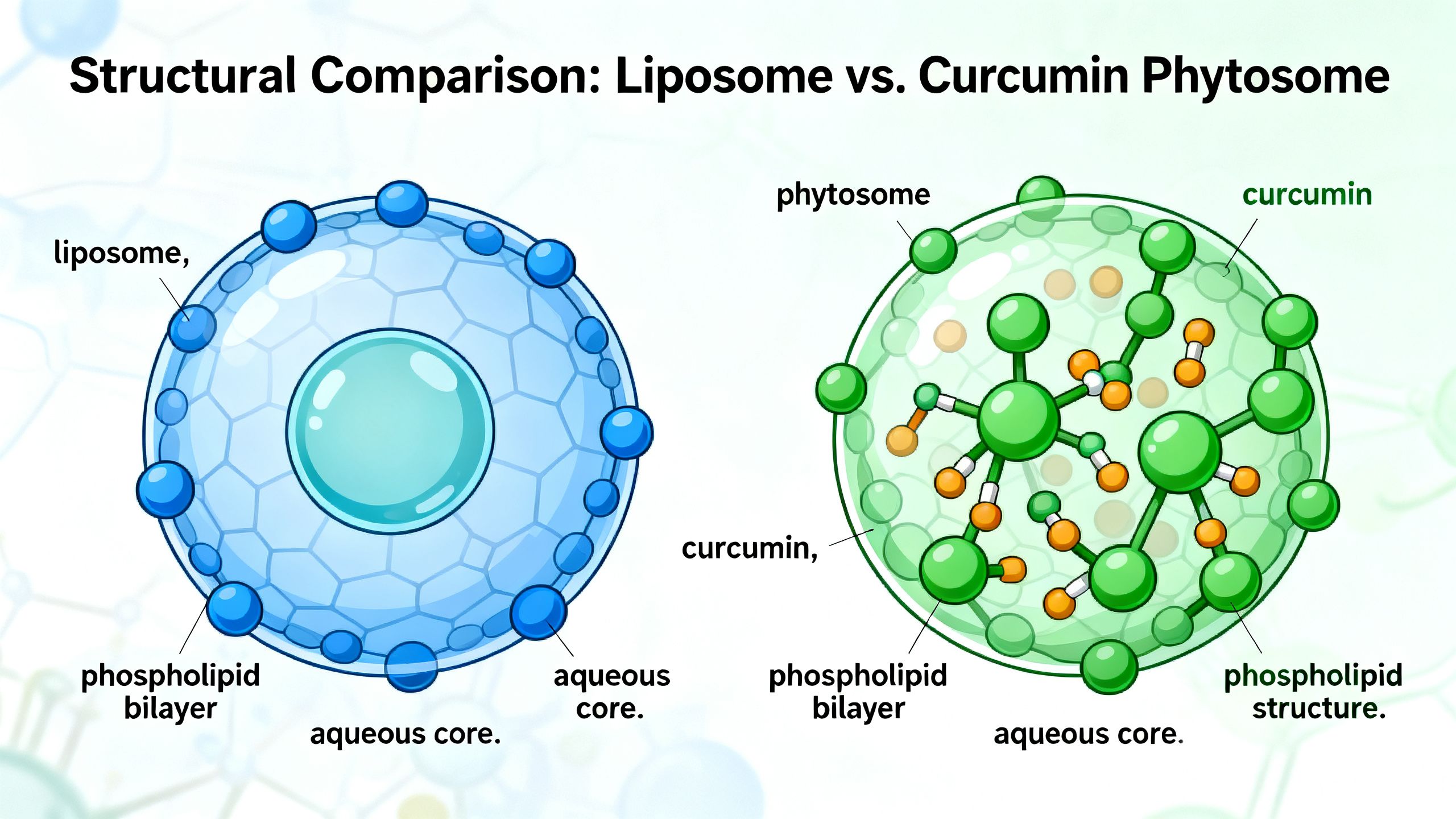
The term “phyto” means plant, while “some” means cell-like. It’s crucial to distinguish a phytosome from a liposome, as they are structurally and functionally different:
- Liposome: A liposome is a tiny spherical vesicle with a hollow aqueous core and a phospholipid bilayer shell. The active ingredient is simply encapsulated within this structure, either in the aqueous center (if water-soluble) or within the fatty membrane (if fat-soluble).
- Phytosome: In a phytosome, the active ingredient (like curcumin) and the phospholipid form a 1:1 or 1:2 molecular complex through chemical bonds (hydrogen bonds). The curcumin molecule’s head is nestled within the polar head of the phosphatidylcholine, while the fatty tails of the phospholipid create a protective, lipid-compatible outer surface. It is not merely an encapsulation but a distinct chemical entity.
This unique structure is the key to the curcumin phytosome absorption advantage. By complexing curcumin with a phospholipid, the phytosome acts as a shuttle. Its lipid-compatible exterior allows it to pass through the lipid-rich membranes of the intestinal cells far more efficiently than curcumin alone. Once inside the cells, it can be transported into the bloodstream, protecting the active curcumin from premature metabolic breakdown.
Curcumin Phytosome vs. Standard Curcumin: The Absorption Advantage
The most compelling reason to choose phytosome curcumin vs standard curcumin is the vast difference in bioavailability, a claim robustly supported by human pharmacokinetic studies. These studies measure the concentration of active curcuminoids in the blood plasma of participants over several hours after ingestion.
One of the landmark human studies directly compared the absorption of a standardized curcumin phytosome formulation (Meriva®) against an unformulated standard curcuminoid mixture. The results were striking. The study found that the phytosome formulation led to an approximately 29-fold increase in the total absorption of curcuminoids compared to the standard extract. Not only was the peak concentration in the blood higher, but the curcuminoids also remained in the bloodstream for a longer duration, increasing their therapeutic window.
This enhanced curcumin phytosome bioavailability means that a lower dose of curcumin phytosome can deliver a more potent and sustained systemic effect than a much larger dose of standard curcumin. This is a critical factor for achieving clinical benefits, as many of the positive effects seen in laboratory studies require curcumin concentrations that are simply unattainable in the body with standard extracts.
| Formulation Type | Relative Bioavailability (Total Curcuminoids) | Key Findings from Human Studies |
|---|---|---|
| Standard 95% Curcumin Extract | 1x (Baseline) | Very low plasma levels, rapid clearance. |
| Curcumin with Piperine | ~20x | Improved, but primarily by inhibiting metabolism, not initial absorption. |
| Curcumin Phytosome | ~29x | Significantly higher plasma levels and longer duration of action due to enhanced absorption. |
Potential Health Benefits of Curcumin Phytosome: What Human Studies Show
The superior absorption of curcumin phytosome translates directly into more pronounced and reliable health benefits in human clinical trials. Because more active curcumin reaches the target tissues, its biological effects are magnified.
Managing Inflammation and Oxidative Stress
Chronic, low-grade inflammation and oxidative stress are recognized as key drivers of the aging process and many degenerative conditions. Curcumin is a powerful modulator of these processes, and the phytosome formulation ensures it can perform this role effectively.
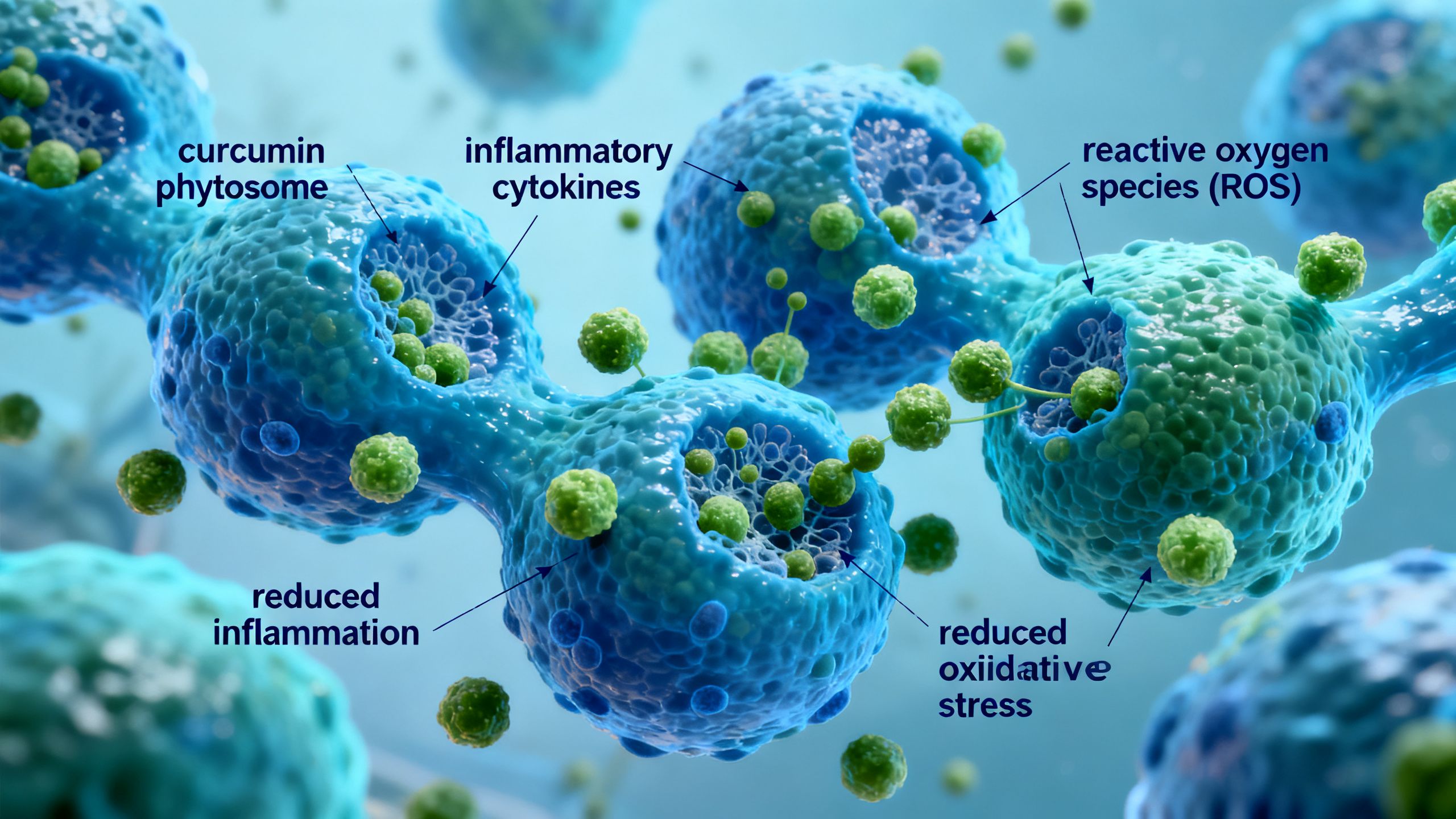
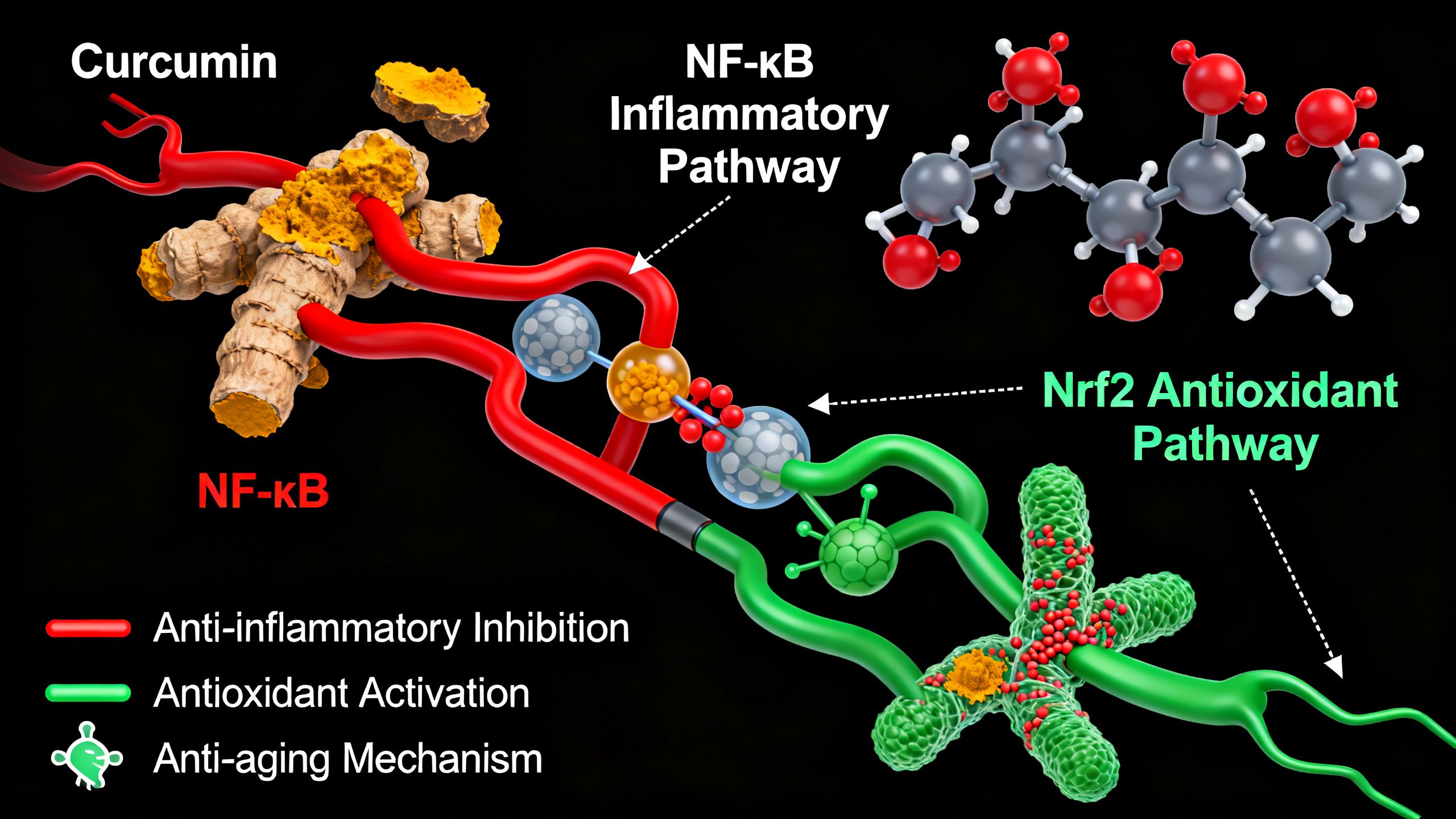
Human studies using curcumin phytosome have demonstrated significant reductions in key inflammatory biomarkers, such as C-reactive protein (CRP), and improvements in markers of oxidative stress. The mechanism involves curcumin’s ability to interact with and inhibit the master inflammatory switch, Nuclear Factor-kappa B (NF-κB). By downregulating NF-κB, curcumin reduces the production of a cascade of inflammatory molecules, including cytokines, chemokines, and enzymes like COX-2. This provides a powerful, upstream approach to controlling inflammation.
Supporting Joint Health and Mobility
One of the most well-studied applications of curcumin phytosome benefits is in the management of osteoarthritis, a degenerative joint disease characterized by cartilage breakdown and inflammation. Multiple randomized controlled trials have shown that curcumin phytosome can provide significant relief.
In a landmark 8-month study involving patients with osteoarthritis, the group receiving 1,000 mg of curcumin phytosome daily experienced:
- A 58% reduction in overall pain and stiffness scores.
- A 4-fold improvement in walking distance on a treadmill.
- A significant reduction in inflammatory markers in the blood.
- A 63% reduction in their reliance on non-steroidal anti-inflammatory drugs (NSAIDs), thereby avoiding the potential side effects of those medications.
These results highlight that curcumin phytosome is not just masking symptoms but is addressing the underlying inflammatory processes that contribute to joint degeneration.
Role in Healthy Aging and Cellular Function
The connection between curcumin phytosome inflammation control and healthy aging is profound. The “inflammaging” theory posits that a chronic increase in pro-inflammatory status is a major contributor to age-related decline. By effectively quenching this systemic inflammation, curcumin phytosome can help mitigate a key aspect of the aging process.
Furthermore, curcumin’s benefits for curcumin phytosome aging extend to other hallmarks of aging. It supports mitochondrial health by promoting antioxidant defenses within the mitochondria, the cell’s energy factories. It also activates the Nrf2 pathway, a master regulator of the body’s internal antioxidant and detoxification systems. There is also emerging pre-clinical evidence suggesting curcumin may act as a senostatic, helping to manage senescent “zombie” cells that accumulate with age and secrete inflammatory signals, though more human research is needed in this specific area.
Other Investigated Areas
The enhanced bioavailability of curcumin phytosome has opened the door to research in numerous other areas, with promising human data in:
- Exercise-Induced Muscle Soreness (DOMS): Studies show it can reduce muscle damage and soreness in athletes, promoting faster recovery.
- Eye Health: Research has demonstrated benefits in managing inflammatory conditions of the eye, such as uveitis and central serous chorioretinopathy.
- Metabolic Health: Preliminary studies suggest potential benefits for improving insulin sensitivity and managing blood lipid profiles.
- Cognitive Function: As a potent antioxidant and anti-inflammatory agent that can cross the blood-brain barrier, curcumin is being investigated for its neuroprotective effects.
Mechanism of Action: How Does Curcumin Phytosome Work?
The efficacy of curcumin phytosome stems from a two-part mechanism: enhanced delivery and potent systemic action.
Enhanced Cellular Uptake and Reduced Metabolism
As detailed earlier, the phytosome structure is the key. By complexing curcumin with phosphatidylcholine, the formulation essentially disguises the curcumin molecule, making it appear like a nutrient the body wants to absorb. The lipid-friendly exterior of the phytosome facilitates its transport across the intestinal epithelium. This structure also protects the curcumin from the aggressive metabolic enzymes in the gut and liver that would normally inactivate it. This dual action—improving absorption while simultaneously reducing breakdown—is what leads to the dramatic increase in systemic bioavailability.
Systemic Effects on Molecular Targets
Once in the bloodstream, free curcumin can travel throughout the body and interact with a vast array of molecular targets to exert its benefits. It is not a “magic bullet” that hits one target, but a pleiotropic molecule that modulates multiple signaling pathways simultaneously.
Key molecular actions include:
- Inhibition of Inflammatory Pathways: Downregulates pro-inflammatory transcription factors like NF-κB, AP-1, and STAT3.
- Activation of Antioxidant Pathways: Upregulates the Nrf2 pathway, which boosts the production of the body’s own powerful antioxidants like glutathione.
- Enzyme Modulation: Directly inhibits inflammatory enzymes such as COX-2 and LOX.
- Growth Factor Regulation: Modulates the signaling of various growth factors involved in cell proliferation.
This ability to influence multiple nodes within cellular communication networks explains its broad range of observed health benefits, from reducing joint pain to supporting cardiovascular and neurological health.
Safety, Dosage, and Potential Interactions
Given its enhanced potency, it’s important to understand the safety and proper usage of curcumin phytosome.
Safety Profile in Human Trials
Curcumin phytosome has been extensively studied in humans and has demonstrated an excellent safety profile. It is generally well-tolerated, even with long-term use at the clinically effective dosages. The most commonly reported side effects are mild and typically involve gastrointestinal upset, which is rare at recommended doses.
However, it is essential to consult with a qualified healthcare provider before beginning any new supplement regimen, especially for individuals with pre-existing medical conditions or those taking prescription medications.
Recommended Dosage
Based on clinical trials, the typical effective dosage for curcumin phytosome ranges from 500 mg to 1,000 mg, taken once or twice daily. Because of its superior bioavailability, this dosage delivers more active curcumin to the body than several grams of a standard 95% curcumin extract.
Potential Drug and Supplement Interactions
Curcumin’s potent biological activity means it has the potential to interact with certain medications. Extreme caution is advised if you are taking any of the following:
- Anticoagulant/Antiplatelet Drugs: Curcumin may have mild antiplatelet effects. Combining it with drugs like warfarin (Coumadin), clopidogrel (Plavix), or even high-dose aspirin could theoretically increase the risk of bleeding. This is a critical safety consideration.
- Diabetes Medications: By improving insulin sensitivity, curcumin could enhance the effect of diabetes drugs, potentially leading to hypoglycemia (low blood sugar). Blood glucose levels should be monitored closely.
- Drugs Metabolized by Cytochrome P450 Enzymes: Curcumin can inhibit certain CYP450 enzymes in the liver, which are responsible for metabolizing a wide range of common medications. This could alter the levels and effects of these drugs in the body.
- Iron Supplements: Curcumin is a known iron chelator, meaning it can bind to iron and reduce its absorption. It is advisable to take curcumin and iron supplements at different times of the day.
Studies / References
- Comparative Absorption of Curcumin Phytosome vs Standard Curcumin
This human pharmacokinetic study found that a curcumin-phosphatidylcholine formulation (Meriva®) significantly increased total plasma curcuminoid levels — approximately 29-fold higher vs a standard unformulated extract in healthy adults. The phospholipid complex enhanced absorption kinetics and prolonged systemic availability.
https://pubs.acs.org/doi/10.1021/np1007262 - Curcumin Phytosome (Meriva®) Improves Symptoms in Osteoarthritis Patients
In a registry study of adults with knee osteoarthritis, supplementation with Meriva® (phospholipid curcumin complex) led to significant improvements in joint pain and function scores (WOMAC), increased walking distance, and reduced inflammatory biomarkers (CRP) over three months, compared with controls.
https://pubmed.ncbi.nlm.nih.gov/20657536/ - Extended Clinical Evaluation of Curcumin Phytosome in Osteoarthritis
A longer osteoarthritis study (8 months) involving Meriva® confirmed that this curcumin-phosphatidylcholine complex provides long-term anti-inflammatory benefits and improvements in both symptoms and inflammation markers compared with baseline controls, supporting its use in chronic joint conditions.
https://pubmed.ncbi.nlm.nih.gov/21194249/ - Meriva® (Curcumin Phytosome) in Diabetic Microangiopathy
A pilot clinical trial in people with long-standing diabetes found that this orally administered curcumin phospholipid complex was associated with improved microcirculatory function and reduced edema after four weeks compared with standard care, suggesting broader systemic effects beyond joints.
https://pubmed.ncbi.nlm.nih.gov/22108476/ - Bioavailability and Clinical Implications of Curcumin Phytosome
This broader review on curcumin formulations highlights that phospholipid complexes like Meriva® have consistently demonstrated improved bioavailability and tolerability in human studies, supporting enhanced activity compared to conventional curcumin extracts.
https://pubs.acs.org/doi/10.1021/acsomega.2c07326
Conclusion: The Future of Curcumin Supplementation
The story of curcumin is a perfect example of how modern science can unlock the true potential of ancient remedies. While the anti-inflammatory and antioxidant power of standard curcumin is undeniable in a laboratory setting, its practical application has always been limited by its poor absorption. Curcumin Phytosome represents a major scientific breakthrough, providing a clinically validated solution to this fundamental problem.
By complexing curcumin with phospholipids, the phytosome formulation dramatically enhances its bioavailability, ensuring that a therapeutically relevant dose reaches the bloodstream and target tissues. The human clinical data clearly demonstrates that this superior absorption translates into tangible benefits for joint health, inflammation control, exercise recovery, and healthy aging. For individuals seeking to leverage the powerful benefits of curcumin, choosing a high-bioavailability form like Curcumin Phytosome is not just an option—it is essential for achieving reliable and meaningful results. As always, a discussion with a healthcare professional is the best first step to determine if this advanced compound is appropriate for your individual health goals.