
Inflammation is a double-edged sword. In the short term, it’s a vital part of the body’s healing process, a rapid response to injury or infection. However, when this response becomes chronic and low-grade, it transforms from a helpful ally into a persistent threat, contributing to a wide range of age-related diseases and degenerative conditions. This persistent state, often called “inflammaging,” is a key driver of the aging process itself. In the search for safe, accessible strategies to manage chronic inflammation, many are turning to their pantries. An anti-inflammatory tea is not just a comforting beverage; it can be a powerful tool in your nutritional arsenal, packed with bioactive compounds that help quell the fires of chronic inflammation.
This article provides a comprehensive, evidence-based look at the science behind anti-inflammatory teas. We will explore how these beverages work at a molecular level, which teas have the strongest human evidence, and how you can incorporate them into your lifestyle for benefits ranging from improved joint health to enhanced anti-inflammatory tea for muscle recovery. We will delve into the specific compounds that make each tea unique and discuss the research supporting their use for healthy aging and managing inflammatory conditions.
Understanding Inflammation’s Role in Aging and Disease
Before we explore specific teas, it’s crucial to understand the target: inflammation. The body’s inflammatory response is complex, involving a cascade of immune cells, signaling molecules (cytokines), and physiological changes designed to protect and repair tissue.
Acute vs. Chronic Inflammation
Acute inflammation is the familiar, short-lived response to a cut, sprain, or infection. It’s characterized by redness, heat, swelling, and pain. This process is essential for clearing out pathogens, removing damaged cells, and initiating tissue repair. Once the threat is neutralized, the acute inflammatory response subsides, and the body returns to a state of balance, or homeostasis.
Chronic inflammation, on the other hand, is a prolonged, smoldering state where the inflammatory response fails to resolve. It can be triggered by persistent infections, long-term exposure to irritants (like pollutants or industrial chemicals), autoimmune disorders, or lifestyle factors such as a poor diet, lack of exercise, and chronic stress. This persistent state creates a harmful environment where inflammatory cells and molecules continuously circulate, damaging healthy tissues and organs over time. This is the type of inflammation that is a primary concern for long-term health and aging.
‘Inflammaging’: The Link to Age-Related Decline
Scientists have coined the term “inflammaging” to describe the low-grade, chronic, systemic inflammation that develops with advancing age. It’s now considered a major hallmark of the aging process. This persistent inflammatory state contributes significantly to the development and progression of numerous age-related conditions, including:
- Cardiovascular Disease: Chronic inflammation damages blood vessel linings, promoting the formation of atherosclerotic plaques.
- Neurodegenerative Diseases: Inflammation in the brain is linked to conditions like Alzheimer’s and Parkinson’s disease.
- Osteoarthritis: The breakdown of joint cartilage is driven and exacerbated by inflammatory processes.
- Type 2 Diabetes: Inflammation can interfere with insulin signaling, leading to insulin resistance.
- Muscle Wasting (Sarcopenia): Inflammaging contributes to the age-related loss of muscle mass and strength.
- Cancer: A chronic inflammatory environment can promote tumor growth and progression.
Managing this low-grade inflammation is therefore a critical strategy for promoting a longer healthspan—not just a longer lifespan. This is where dietary interventions, including the regular consumption of an anti-inflammatory tea, can play a significant role.
The Science: How Tea Fights Inflammation
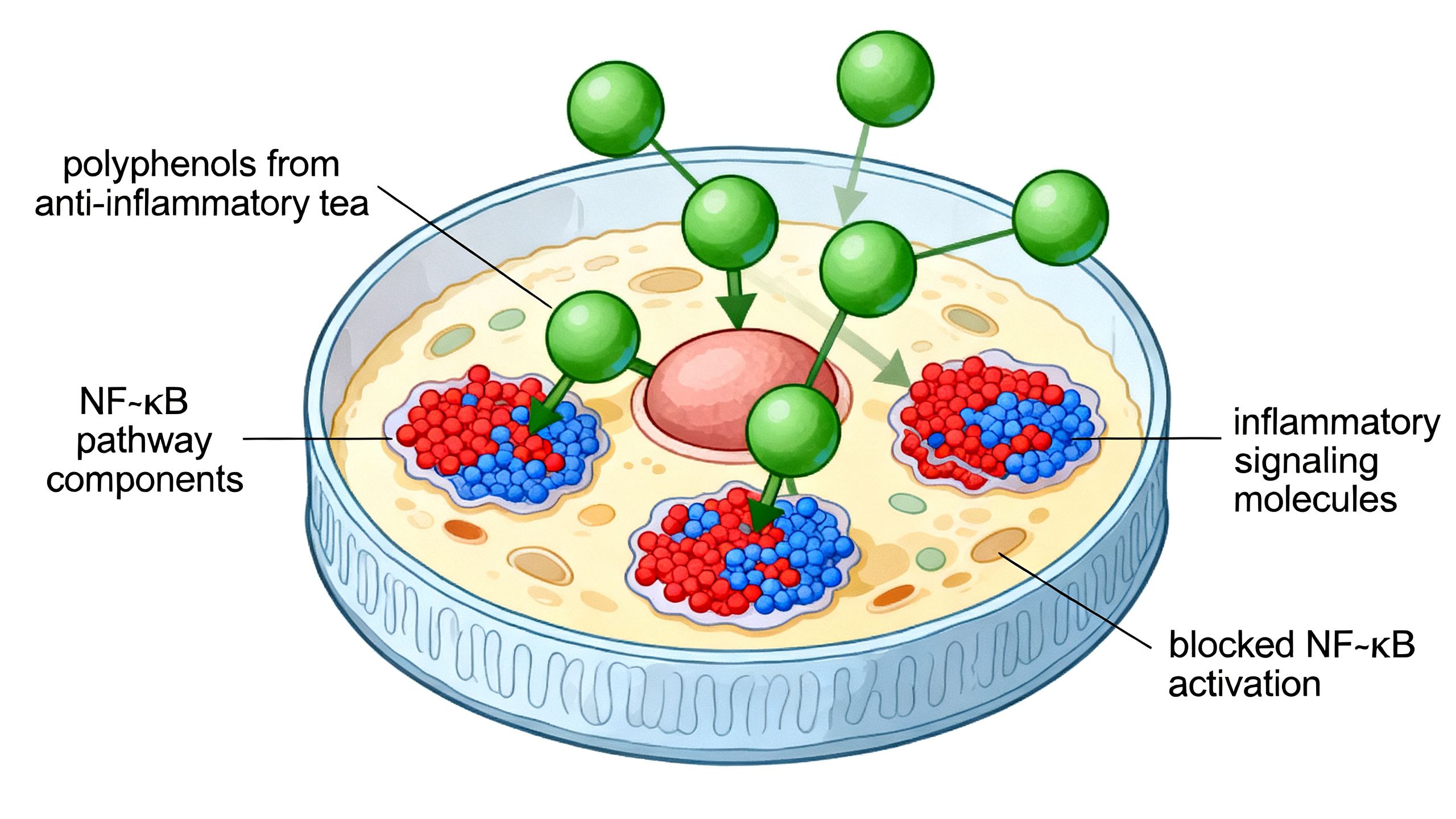
Tea’s therapeutic properties are not folklore; they are rooted in a rich profile of bioactive compounds, primarily polyphenols. These plant-based molecules act on the body’s inflammatory pathways in several key ways.
Key Bioactive Compounds
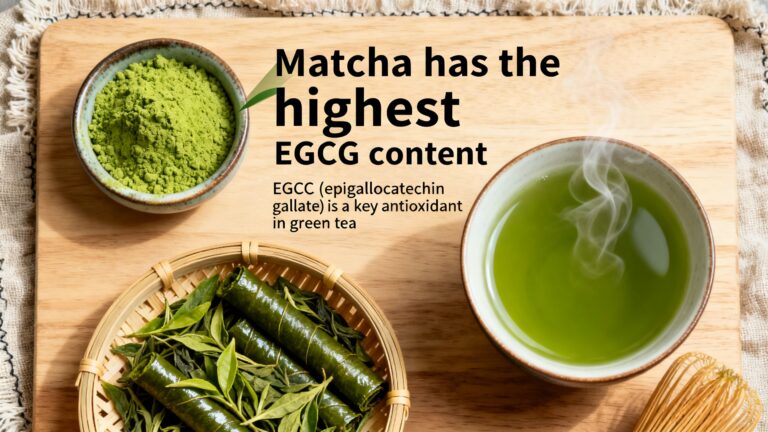
- Catechins: A type of flavonoid, catechins are abundant in green and white tea. The most famous and potent of these is Epigallocatechin Gallate (EGCG), which has been extensively studied for its powerful antioxidant and anti-inflammatory effects.
- Theaflavins: Formed during the oxidation process that turns green tea leaves into black tea, theaflavins also possess significant anti-inflammatory properties, though their mechanism differs slightly from that of catechins.
- Curcuminoids: The active compounds in turmeric, with curcumin being the most prominent. Curcumin is a potent anti-inflammatory agent that can modulate multiple signaling molecules.
- Gingerols and Shogaols: These are the primary active compounds in ginger, responsible for its pungent flavor and its therapeutic effects, including pain and inflammation reduction.
- Flavonoids: A broad class of polyphenols found in many plants, including chamomile and rooibos. Compounds like apigenin (in chamomile) and aspalathin (in rooibos) contribute to their anti-inflammatory and antioxidant capacity.
Mechanisms of Action
These compounds don’t just passively float through the body; they actively intervene in the inflammatory cascade. Their primary mechanisms include:
- Antioxidant Activity: Chronic inflammation is closely linked to oxidative stress, a state where there is an imbalance between free radicals and antioxidants. The polyphenols in tea are powerful antioxidants that can neutralize these damaging free radicals, reducing the overall oxidative burden on cells.
- Inhibition of Inflammatory Pathways: Many of these compounds can directly inhibit key regulators of the inflammatory response. A primary target is Nuclear Factor-kappa B (NF-κB), a protein complex that acts as a master switch for inflammation, turning on the genes that produce inflammatory cytokines like TNF-α and IL-6.
- Enzyme Modulation: Compounds like curcumin and EGCG can inhibit the activity of enzymes like Cyclooxygenase-2 (COX-2) and Lipoxygenase (LOX). These enzymes are responsible for producing prostaglandins and leukotrienes, which are key mediators of inflammation and pain. This is a similar mechanism to that of nonsteroidal anti-inflammatory drugs (NSAIDs).
By acting through these multiple pathways, a well-chosen tea that reduces chronic inflammation can offer a gentle yet effective way to help restore inflammatory balance in the body.
The Best Anti-Inflammatory Tea Options: A Deep Dive
While many herbal infusions are touted for their health benefits, only a handful have robust human evidence supporting their anti-inflammatory claims. Here, we examine the top contenders.
Green Tea (Camellia sinensis): The Catechin Powerhouse
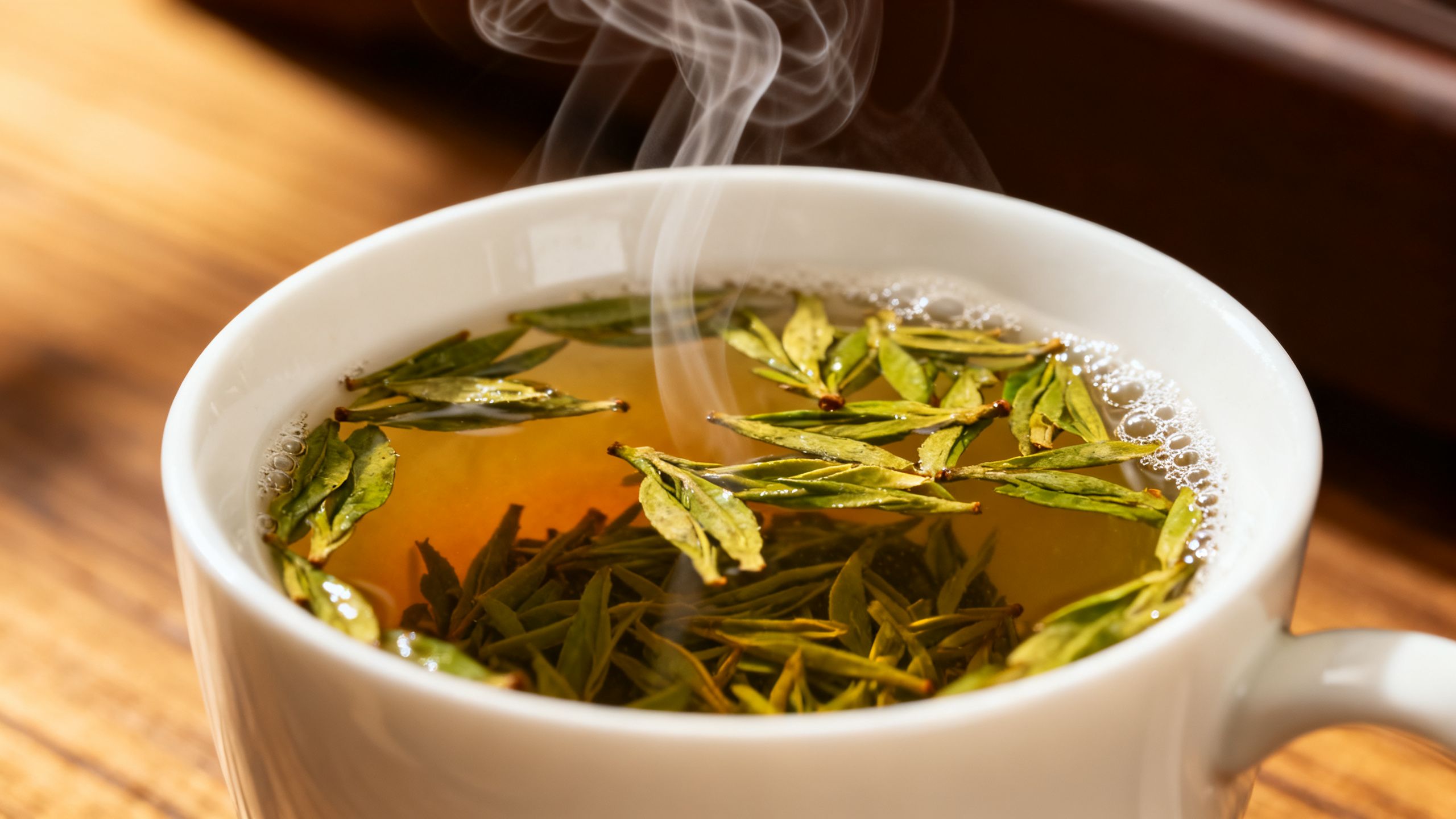
Green tea is arguably the most researched anti-inflammatory tea. Made from unoxidized leaves of the Camellia sinensis plant, it retains a high concentration of catechins, particularly EGCG. Human studies have consistently linked green tea consumption to reduced markers of inflammation and a lower risk of inflammatory diseases.
Human evidence suggests that regular green tea consumption can significantly lower levels of C-reactive protein (CRP), a key blood marker of systemic inflammation. Its effects are particularly noted in the context of joint health. For individuals with rheumatoid arthritis or osteoarthritis, the EGCG in green tea may help reduce disease activity and cartilage degradation by blocking the production of inflammatory molecules within the joint tissues. Furthermore, its role in anti-inflammatory tea for muscle recovery is gaining attention, as it may help mitigate the inflammation and oxidative stress associated with intense exercise.
Turmeric Tea (Curcuma longa): The Golden Spice
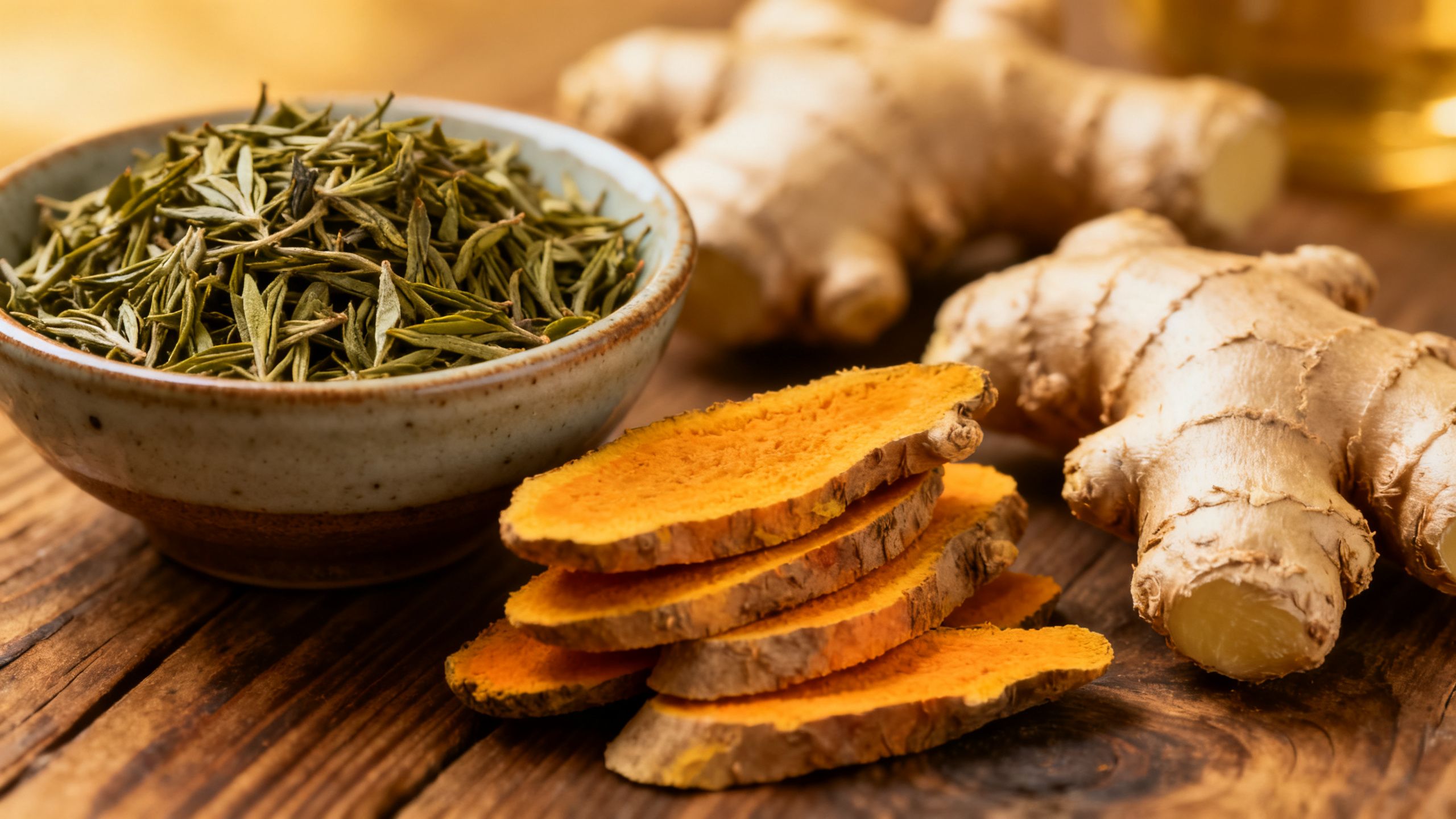
Turmeric, the spice that gives curry its vibrant yellow color, contains the powerful compound curcumin. Turmeric tea, made by infusing grated turmeric root or powder in hot water, is a direct way to consume this potent anti-inflammatory agent. Curcumin’s anti-inflammatory effects are so profound that they have been compared in some studies to those of conventional anti-inflammatory drugs, but without the same risk of side effects.
Human clinical trials have overwhelmingly supported curcumin’s efficacy, especially as an anti-inflammatory tea for joint pain. Multiple studies have shown that curcumin supplements can significantly reduce pain and improve function in individuals with osteoarthritis, sometimes as effectively as NSAIDs like ibuprofen. It works by blocking NF-κB and a host of other inflammatory cytokines. A crucial caveat is curcumin’s poor bioavailability. To enhance its absorption, it’s essential to consume it with piperine, the active compound in black pepper. Adding a pinch of black pepper to your turmeric tea can increase curcumin absorption by up to 2,000%.
Ginger Tea (Zingiber officinale): A Soothing and Potent Root
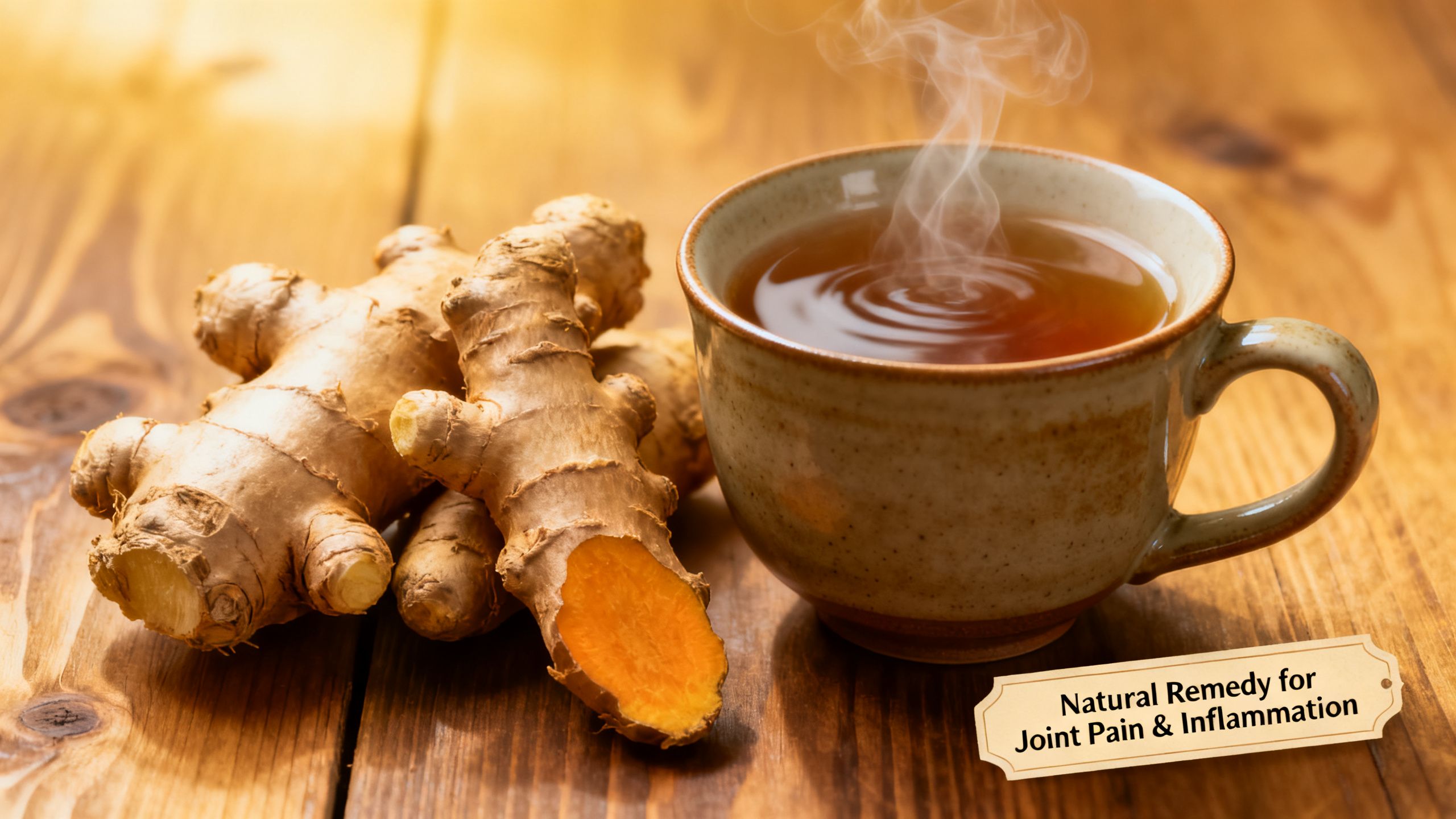
Ginger has been used for centuries in traditional medicine to treat nausea, pain, and inflammation. Its benefits are attributed to the compounds gingerol and shogaol. Ginger tea, with its spicy and warming flavor, is an excellent choice for both acute and chronic inflammatory issues.
Human studies have demonstrated ginger’s effectiveness in reducing pain from osteoarthritis, often with fewer gastrointestinal side effects than prescription pain relievers. It’s also a standout for anti-inflammatory tea for muscle recovery. Research has shown that daily ginger consumption can significantly reduce exercise-induced muscle pain (Delayed Onset Muscle Soreness or DOMS). Its mechanism involves the inhibition of COX and LOX enzymes, similar to turmeric, helping to reduce the production of inflammatory prostaglandins.
Rooibos Tea (Aspalathus linearis): The Caffeine-Free Contender
Originating from South Africa, rooibos (or “red bush”) tea is a naturally caffeine-free option with a unique antioxidant profile. It contains aspalathin and nothofagin, two potent flavonoids not found in many other plants. While research is less extensive than for green tea, human studies are promising.
Some clinical trials have shown that drinking rooibos tea daily can boost the body’s antioxidant capacity and may have a modest effect on lowering markers of inflammation and improving lipid profiles. Its lack of caffeine makes it an excellent choice for evening consumption or for individuals sensitive to stimulants. It’s a great supporting player in an anti-inflammatory tea for aging strategy, contributing to overall antioxidant defense without disrupting sleep.
Other Notable Teas
- White Tea: Made from the youngest leaves and buds of the Camellia sinensis plant, white tea undergoes the least processing. This means it may retain an even higher concentration of catechins than green tea, though it is less studied. Its properties are thought to be similar to green tea.
- Oolong Tea: Partially oxidized, oolong tea sits between green and black tea in terms of its polyphenol profile. It contains both catechins and theaflavins, offering a combined spectrum of anti-inflammatory compounds.
- Chamomile Tea: Traditionally used as a sleep aid, chamomile also possesses mild anti-inflammatory properties due to its flavonoid content, particularly apigenin. While not as potent as turmeric or green tea, it can help reduce inflammation, especially in the context of diabetes, where some human studies have shown it can lower inflammatory markers and improve glycemic control.
Practical Applications and Considerations
Knowing which teas are beneficial is the first step. The next is integrating them effectively and safely into your daily life.
Brewing for Maximum Benefit
How you prepare your tea matters. To extract the most polyphenols:
- Green Tea: Use water that is hot but not boiling (around 175°F or 80°C) to avoid bitterness and preserve the delicate catechins. Steep for 3-5 minutes.
- Turmeric/Ginger Tea: Use boiling water to fully extract the active compounds from the tough root fibers. Simmering fresh, grated root for 10-15 minutes is ideal. Always add a pinch of black pepper to turmeric tea.
- Rooibos/Chamomile: These are robust and can be steeped with boiling water for 5-10 minutes or longer to extract more flavor and compounds.
A Comparison of Top Anti-Inflammatory Teas
| Tea Type | Primary Active Compound(s) | Key Benefits (Human Evidence) | Caffeine Content |
|---|---|---|---|
| Green Tea | EGCG (Catechins) | Reduces CRP, joint inflammation, aids muscle recovery | Moderate |
| Turmeric Tea | Curcumin | Potent for osteoarthritis pain, systemic inflammation | None |
| Ginger Tea | Gingerols, Shogaols | Reduces muscle soreness (DOMS), osteoarthritis pain | None |
| Rooibos Tea | Aspalathin, Nothofagin | Boosts antioxidant status, caffeine-free option | None |
| Chamomile Tea | Apigenin | Mild anti-inflammatory, aids sleep, may help diabetics | None |
Safety Profile and Potential Interactions
While these teas are generally very safe for most people, some considerations are important:
- Caffeine: The caffeine in green, white, and oolong tea can cause jitteriness, anxiety, or disrupt sleep in sensitive individuals. Limit consumption in the afternoon and evening.
- Blood Thinners: High doses of turmeric and ginger can have mild blood-thinning effects. Individuals taking anticoagulant medications like warfarin (Coumadin) or antiplatelet drugs should consult their doctor before consuming large quantities of these teas or their supplement forms.
- Iron Absorption: The tannins in tea (especially green and black) can slightly reduce the absorption of non-heme iron from plant-based foods. If you have iron-deficiency anemia, it’s best to drink tea between meals rather than with them.
- Purity and Quality: Choose high-quality, organic teas when possible to avoid contaminants like pesticides or heavy metals. For turmeric and ginger, using the fresh root is often preferable to pre-packaged tea bags, which may have lower potency.

Summary of Human Clinical Trials
To ground these recommendations in solid science, here is a summary of representative human studies. Note: These are summaries of study types and findings and do not represent specific, named publications.
- Turmeric / Curcumin and Joint Inflammation (Osteoarthritis)
- Systematic review of randomized clinical trials showing curcumin can reduce pain and improve function in knee osteoarthritis patients.
https://pubmed.ncbi.nlm.nih.gov/33500785/
- Systematic review of randomized clinical trials showing curcumin can reduce pain and improve function in knee osteoarthritis patients.
- Ginger & Muscle Soreness / Exercise-Induced Inflammation
- A clinical study demonstrating ginger’s potential effect on inflammation and delayed onset muscle soreness (DOMS) after exercise.
https://pubmed.ncbi.nlm.nih.gov/25787877/
- A clinical study demonstrating ginger’s potential effect on inflammation and delayed onset muscle soreness (DOMS) after exercise.
- Clinical Evidence for Curcumin’s Anti-Inflammatory Effects
- A meta-analysis and systematic review highlighting that curcumin extracts may reduce symptoms and inflammatory pain in various arthritis conditions.
https://www.frontiersin.org/journals/immunology/articles/10.3389/fimmu.2022.891822/full
- A meta-analysis and systematic review highlighting that curcumin extracts may reduce symptoms and inflammatory pain in various arthritis conditions.
- Ginger & Pain Reduction in Exercise-Induced Muscle Injury
- Study showing significant reductions in DOMS and inflammation markers after ginger supplementation.
https://pubmed.ncbi.nlm.nih.gov/20418184/
- Study showing significant reductions in DOMS and inflammation markers after ginger supplementation.
Conclusion: A Warm Cup of Wellness
Chronic inflammation is a pervasive factor in aging and degenerative disease, but it is not an inevitable fate. Lifestyle and dietary choices provide a powerful means of intervention. Incorporating an anti-inflammatory tea into your daily routine is a simple, enjoyable, and evidence-based strategy to help manage inflammation, support joint health, aid in muscle recovery, and promote healthy aging.
Green tea, turmeric tea, and ginger tea stand out as the most potent options, backed by significant human clinical research. While they are not magic bullets, they serve as valuable allies in a holistic approach to health that includes a balanced diet, regular physical activity, and stress management. By choosing the best anti-inflammatory tea for your needs and preparing it properly, you can harness the ancient wisdom and modern science of these remarkable plants to support your body’s resilience and vitality for years to come.
Frequently Asked Questions About Anti-Inflammatory Tea
What is the most effective anti-inflammatory tea?
Green tea has the strongest human research overall. Its high EGCG content has been shown in clinical studies to reduce inflammatory markers such as C-reactive protein (CRP). Turmeric tea and ginger tea are also highly effective, particularly for joint pain and muscle soreness, when consumed consistently.
How much anti-inflammatory tea should I drink per day?
Most human studies suggest benefits from 1–3 cups per day, depending on the tea. For green tea, 2–3 cups daily is commonly associated with reduced inflammation. For turmeric or ginger tea, 1–2 cups per day is typically sufficient.
Can anti-inflammatory tea help with muscle recovery?
Yes. Green tea and ginger tea have both been studied for exercise-induced inflammation and muscle soreness. Ginger, in particular, has been shown to reduce delayed onset muscle soreness (DOMS) when consumed daily.
Is anti-inflammatory tea safe to drink every day?
For most healthy adults, daily consumption is considered safe. However, green tea contains caffeine, which may not be suitable for everyone. Turmeric and ginger teas should be used cautiously by people taking blood-thinning medications.
What is the best anti-inflammatory tea for aging adults?
Green tea, turmeric tea, and rooibos tea are especially suitable for aging populations. Rooibos is caffeine-free and rich in antioxidants, making it a good option for evening use or for individuals sensitive to caffeine.
Does turmeric tea work better with black pepper?
Yes. Curcumin, the active compound in turmeric, has low natural bioavailability. Adding black pepper (which contains piperine) can significantly enhance curcumin absorption and improve its anti-inflammatory effects.
Can anti-inflammatory tea replace medication?
No. Anti-inflammatory teas can support overall inflammatory balance but should not replace prescribed medications. They are best used as part of a broader lifestyle approach that includes diet, exercise, and medical care when needed.
What is the best time of day to drink anti-inflammatory tea?
Green tea is best consumed earlier in the day due to its caffeine content. Turmeric, ginger, chamomile, and rooibos teas are well suited for the evening and may support recovery and relaxation.
Are herbal anti-inflammatory teas better than supplements?
Teas provide lower but more gradual doses of bioactive compounds and are generally safer for long-term daily use. Supplements may deliver higher concentrations but should be used more cautiously and ideally under professional guidance.