
Green tea has been revered for centuries, not just as a comforting beverage but as a cornerstone of traditional medicine. Modern science has begun to unravel the secrets behind its acclaimed health benefits, pointing to a class of powerful plant compounds called polyphenols. Among these, one stands out for its remarkable biological activity: epigallocatechin gallate, or EGCG. This potent antioxidant is the primary driver behind many of green tea’s therapeutic effects. However, not all green teas are created equal, leading many health-conscious individuals to ask, which green tea has the most EGCG?
This article provides a comprehensive, evidence-based exploration of EGCG. We will delve into the different types of green tea to identify the richest sources, examine the optimal brewing methods to maximize its extraction, and review the compelling human evidence for its role in supporting muscle health, promoting healthy aging, and enhancing mitochondrial function. By understanding the science behind EGCG, you can make informed choices to harness its full potential.
Understanding EGCG: The Powerhouse Polyphenol in Green Tea
Epigallocatechin gallate (EGCG) is the most abundant and potent catechin found in tea leaves, particularly in green tea (Camellia sinensis). Catechins are a type of flavonoid, a class of polyphenolic compounds known for their strong antioxidant properties. While green tea contains other catechins like epicatechin (EC) and epigallocatechin (EGC), EGCG is the most researched and is believed to be responsible for the majority of its health-promoting activities.
Unlike black or oolong tea, green tea leaves are not fermented. They are typically steamed or pan-fired shortly after harvesting to inactivate the enzymes that cause oxidation. This minimal processing preserves the high concentration of catechins, especially EGCG. The primary mechanism of EGCG is its ability to scavenge harmful free radicals, unstable molecules that cause oxidative stress and damage cells, DNA, and proteins. This cellular damage is a fundamental driver of aging and many chronic diseases.
Beyond its direct antioxidant effects, EGCG interacts with numerous cellular signaling pathways. It can influence gene expression, modulate enzyme activity, and support critical biological processes. This multifaceted action is why its benefits extend from skin health to metabolic function and cellular longevity.
Which Green Tea Has the Most EGCG? A Comparative Analysis
For those seeking the highest EGCG content, the type of green tea and its preparation are paramount. The concentration of EGCG can vary dramatically based on the plant’s growing conditions, harvesting time, and processing method. Here’s a breakdown of the top contenders.
Matcha: The Undisputed EGCG Champion
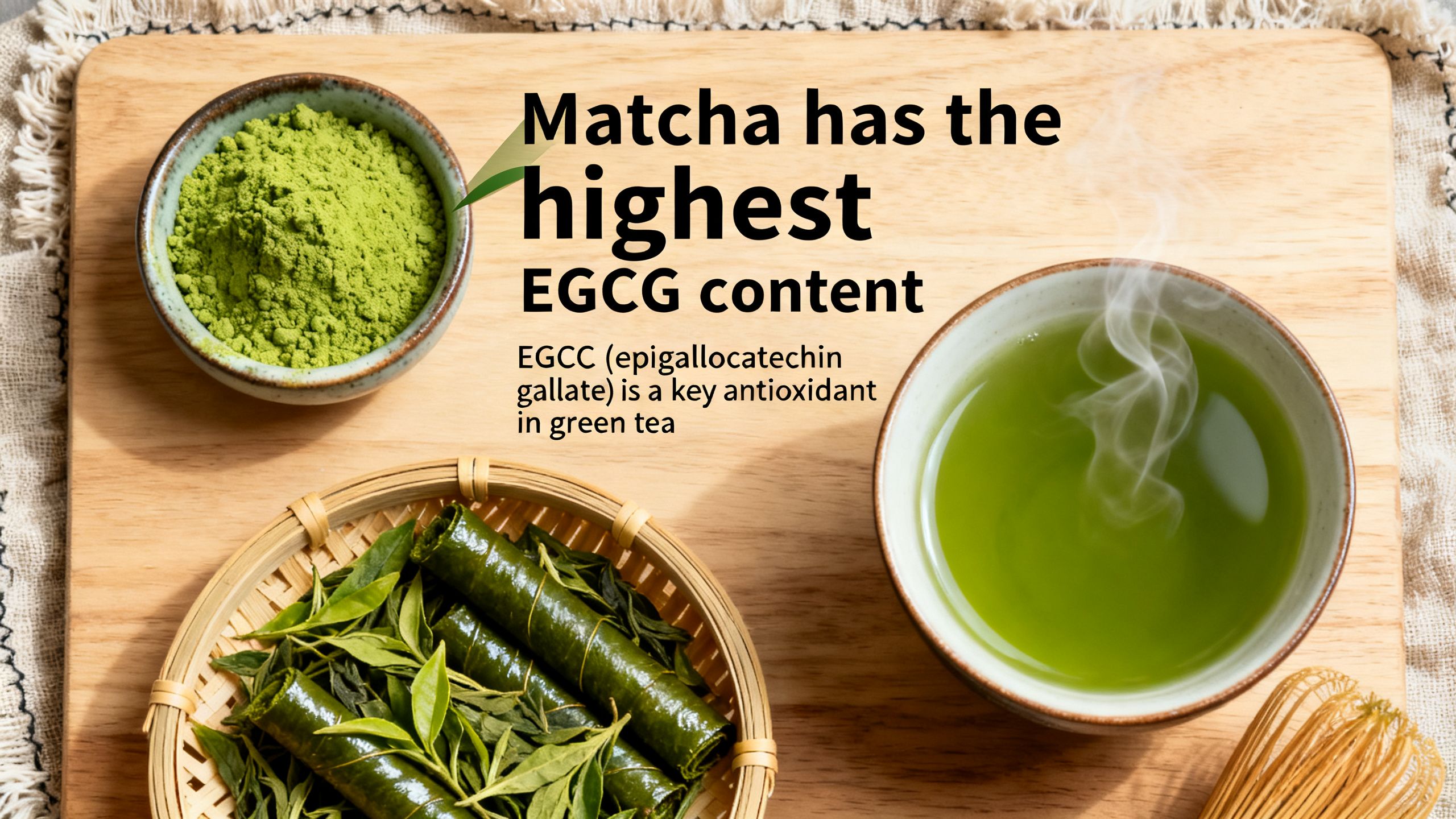
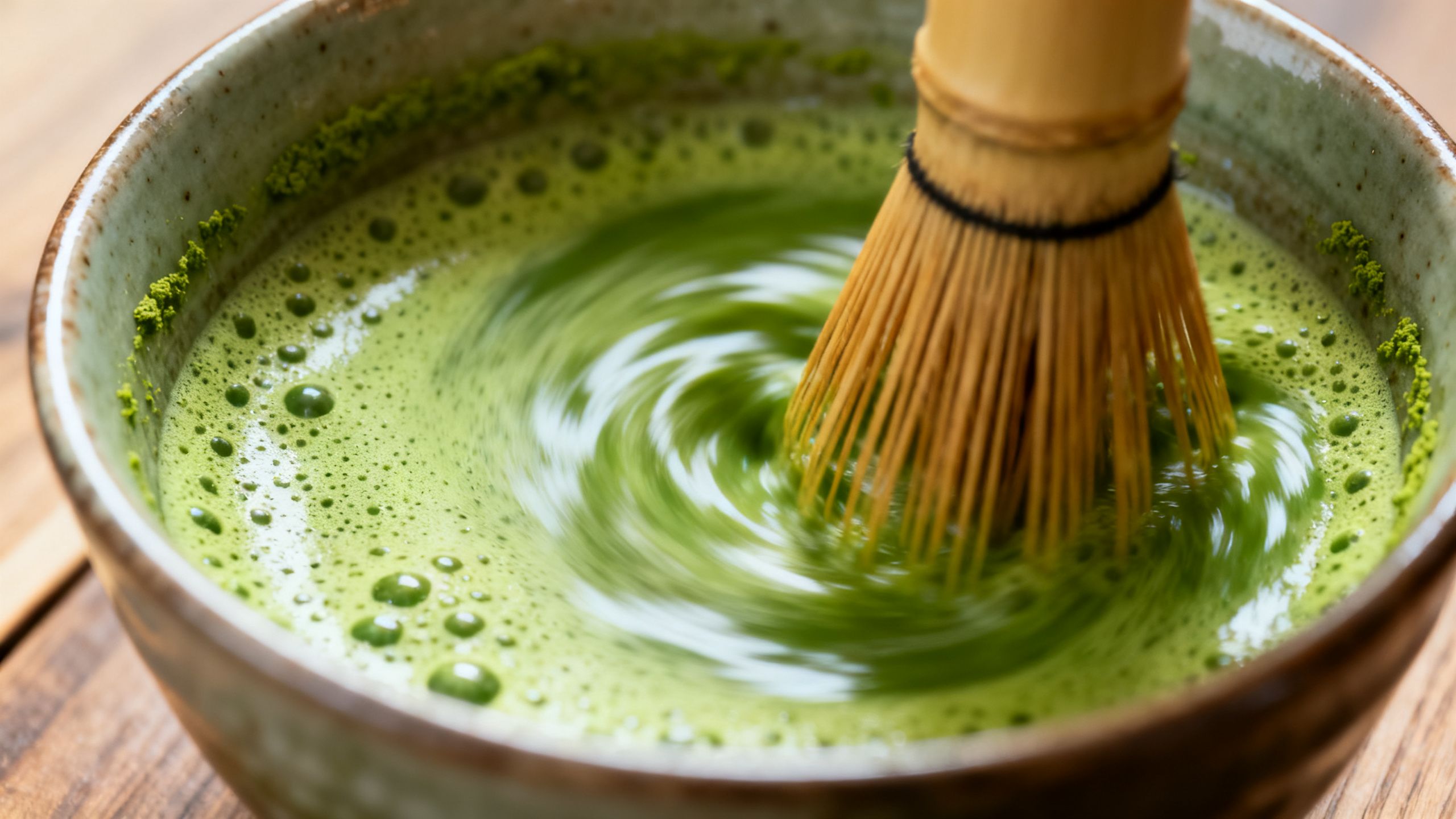
When it comes to EGCG concentration, matcha is in a league of its own. Matcha is a finely ground powder made from specially grown and processed green tea leaves. The key difference between matcha and regular green tea is that with matcha, you consume the entire leaf, rather than just an infusion of the leaves.
This whole-leaf consumption means you ingest 100% of the leaf’s nutritional content, including its catechins, fiber, and chlorophyll. Studies have consistently shown that the concentration of EGCG in matcha can be significantly higher—up to 137 times greater than in some lower-quality brewed green teas and at least three times higher than in standard high-quality leaf teas. A typical serving of matcha (about 1 gram of powder) can provide anywhere from 30 to 90 mg of EGCG, depending on its quality.
Ceremonial grade matcha, made from the youngest leaves of shade-grown plants, generally boasts a smoother flavor and potentially higher L-theanine and EGCG content than culinary grade matcha, which is often more bitter and better suited for cooking.
Sencha and Other Leaf Teas: A Spectrum of EGCG Levels
Sencha is the most popular green tea in Japan and represents a more typical brewed tea experience. It is grown in full sun and the leaves are steamed after harvesting. While it doesn’t reach the EGCG levels of matcha, high-quality sencha is still an excellent source. The EGCG content in a cup of brewed sencha can range from 15 to 75 mg, influenced by factors like the quality of the leaves and brewing technique.
Other Japanese green teas show varying EGCG levels:
- Gyokuro: A premium, shade-grown tea similar to the leaves used for matcha. Shading increases chlorophyll and L-theanine content, which gives it a sweeter, less astringent taste. While it has high overall catechin levels, some studies suggest the EGCG to L-theanine ratio might be different than in sun-grown teas.
- Bancha: A later-harvest tea made from more mature leaves. It generally has lower caffeine and EGCG content compared to sencha or gyokuro but remains a healthy beverage.
Here is a general comparison of green tea EGCG levels per 8-ounce (237 ml) cup, though values can vary widely:
| Tea Type | Preparation | Typical EGCG Range (mg) |
|---|---|---|
| Matcha | 1g powder in water | 30 – 90 mg |
| High-Quality Sencha | Brewed leaves | 40 – 75 mg |
| Standard Sencha | Brewed leaves | 15 – 40 mg |
| Gyokuro | Brewed leaves | 30 – 60 mg |
| Bancha | Brewed leaves | 10 – 30 mg |
| Bottled Green Tea | Commercial product | 5 – 50 mg |
Matcha vs. Sencha EGCG: A Head-to-Head Comparison
The core difference in the matcha vs. sencha EGCG debate lies in consumption method. With sencha, you steep the leaves in hot water, and the EGCG and other soluble compounds infuse into the water. You then discard the leaves, along with a significant portion of the nutrients that are not water-soluble. With matcha, the powdered leaves are whisked into water and consumed entirely. This ensures you receive all the EGCG present in the leaf, resulting in a much more potent dose per serving.
The Impact of Origin and Harvest Time
The specific region where tea is grown (its terroir), along with the climate and soil conditions, plays a significant role in its chemical composition. Furthermore, the time of harvest is critical. The “first flush” or first harvest of spring generally yields the most tender, nutrient-dense leaves, which are typically higher in catechins and L-theanine. Later harvests tend to produce leaves with lower concentrations of these beneficial compounds.
Maximizing EGCG Intake: The Science of Brewing
Even if you have the highest EGCG green tea, your preparation method can significantly impact how much of the compound ends up in your cup. Understanding the science of brewing method EGCG levels is key to unlocking its full potential.
Water Temperature: The Critical Factor
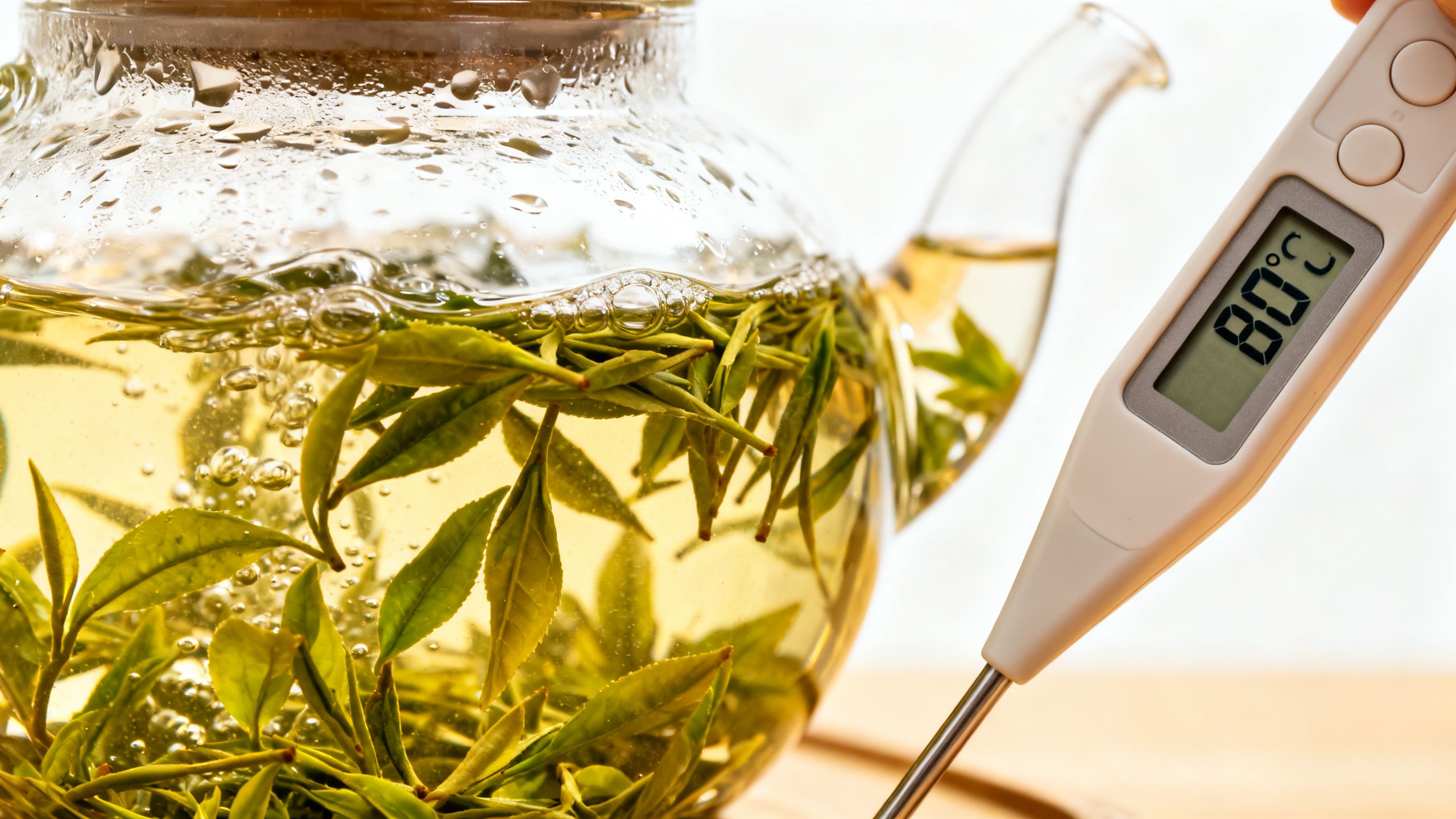
Water temperature is arguably the most important variable for EGCG extraction. Research shows that higher water temperatures extract catechins more efficiently. One study found that brewing green tea at 80°C (176°F) for three minutes yielded a significantly higher concentration of EGCG compared to brewing at lower temperatures.
However, there is a trade-off. Water that is too hot (boiling, 100°C or 212°F) can destroy some of the delicate compounds and will also extract more tannins, leading to a bitter, astringent taste. For a balance of maximum EGCG extraction and optimal flavor, a water temperature between 80-85°C (176-185°F) is generally recommended.
Steeping Time: Finding the Sweet Spot
Along with temperature, steeping time directly influences EGCG concentration. The longer you steep the tea, the more EGCG will be released into the water. Most studies show that catechin levels increase steadily for up to 5-10 minutes of steeping.
For practical purposes, a steeping time of 3 to 5 minutes is an effective range to extract a substantial amount of EGCG without making the tea overly bitter. If you prefer a stronger brew, you can extend the time, but be prepared for a more astringent flavor profile.
The Role of pH and Additives
What you add to your tea can also affect EGCG. Catechins are relatively unstable in neutral or alkaline environments (like the intestines), which can reduce their bioavailability. Adding a source of acid, such as a squeeze of lemon juice, can help stabilize the EGCG molecules and has been shown in studies to increase the amount of catechins the body can absorb.
Conversely, it is advisable to avoid adding milk to green tea. The casein proteins in dairy milk can bind to catechins, including EGCG, forming complexes that are difficult for the body to absorb. This can significantly reduce the potential health benefits.
EGCG Benefits for Aging and Longevity
The antioxidant and signaling properties of EGCG make it a compound of great interest in the field of aging science. It appears to combat the aging process at a cellular level through several key mechanisms.
Cellular Protection and Antioxidant Action
One of the hallmarks of aging is an accumulation of oxidative damage. EGCG is a powerful direct antioxidant, neutralizing reactive oxygen species (ROS) before they can harm vital cellular components. It also acts as an indirect antioxidant by boosting the body’s own defense systems, such as increasing the activity of enzymes like superoxide dismutase (SOD) and catalase.
Sirtuins and Autophagy: Pathways to Healthy Aging
Emerging research, primarily from preclinical models, suggests EGCG may influence key longevity pathways. It has been shown to activate sirtuins, a class of proteins that play a critical role in DNA repair, inflammation control, and metabolic regulation. Specifically, SIRT1 activation is linked to improved cellular health and stress resistance.
Furthermore, EGCG may promote autophagy, the body’s cellular cleanup process. Autophagy removes damaged proteins and dysfunctional organelles (like old mitochondria), recycling them for energy and new cellular components. A well-functioning autophagy process is essential for maintaining cellular youthfulness and preventing the buildup of toxic aggregates associated with age-related diseases.
Skin Health and Photoaging
Human studies have provided evidence for EGCG benefits for aging in the context of skin health. The skin is constantly exposed to environmental stressors, particularly ultraviolet (UV) radiation, which accelerates aging (photoaging). Human clinical trials have shown that both oral consumption and topical application of green tea catechins can help protect the skin.
In one study, women who consumed a green tea beverage high in catechins for 12 weeks showed improved skin elasticity, structure, and hydration. They also exhibited increased blood flow to the skin and greater resistance to UV-induced redness, suggesting EGCG helps protect against sun damage from the inside out.
The Influence of EGCG on Muscle Health
Beyond general aging, EGCG has specific applications for maintaining and improving muscle function, an area critical for mobility, metabolism, and overall vitality as we age.
Reducing Exercise-Induced Oxidative Stress
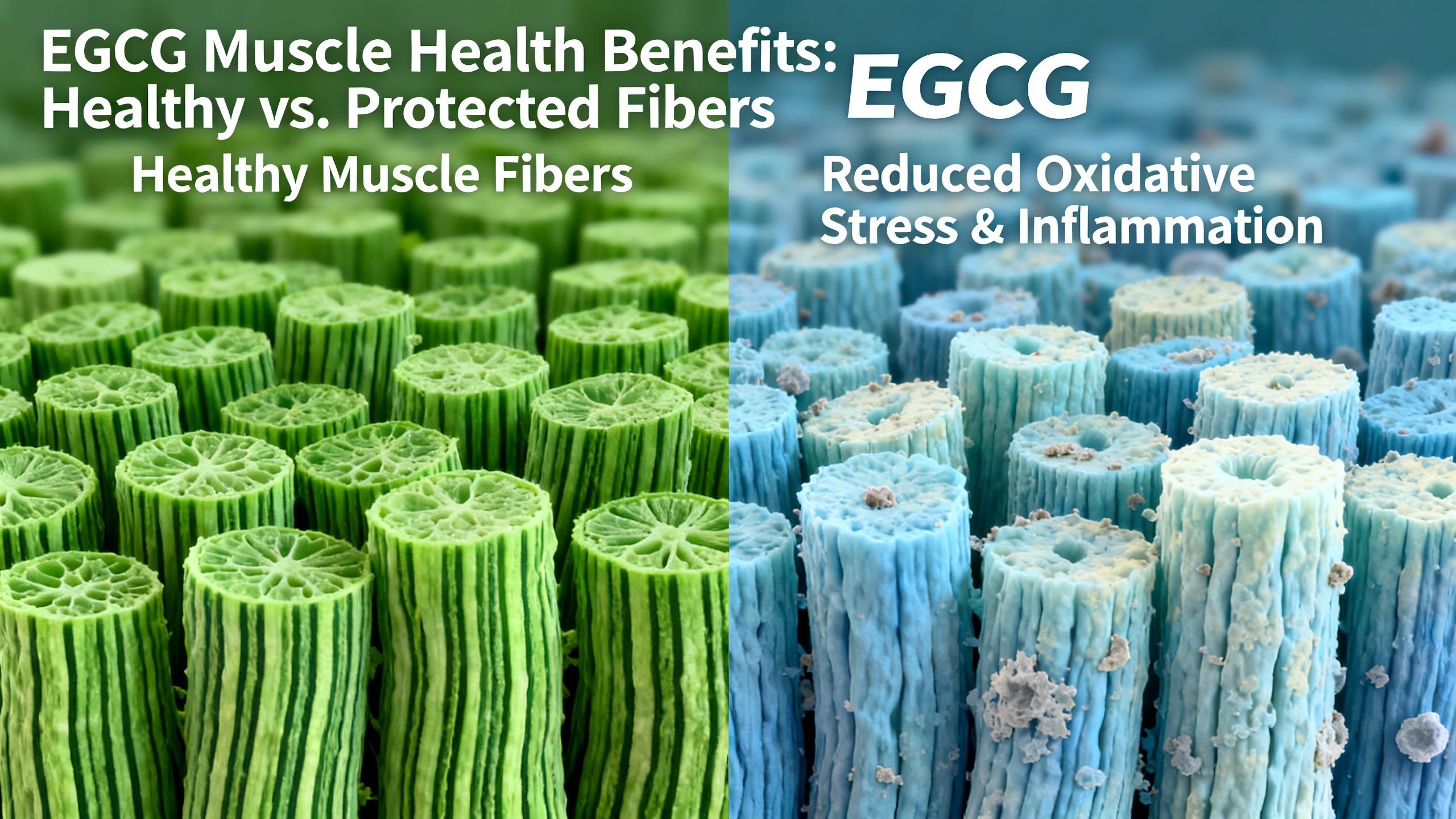
While exercise is beneficial, intense physical activity generates a significant amount of ROS, leading to oxidative stress and microscopic muscle damage. This contributes to delayed onset muscle soreness (DOMS) and fatigue. Several human studies have investigated the role of EGCG muscle health in this context.
Research has shown that supplementation with green tea extract rich in EGCG can attenuate markers of muscle damage (like creatine kinase) and reduce oxidative stress following strenuous exercise. By mitigating this damage, EGCG may help accelerate recovery and allow for more consistent training.
Enhancing Fat Oxidation During Exercise
EGCG has been shown to influence energy metabolism during physical activity. It can inhibit an enzyme called catechol-O-methyltransferase (COMT), which breaks down the neurotransmitter norepinephrine. Higher levels of norepinephrine can stimulate the breakdown of fat (lipolysis).
Human studies have demonstrated that EGCG consumption, often in combination with caffeine naturally present in tea, can increase fat oxidation rates during moderate-intensity exercise. This means the body becomes more efficient at using stored fat for fuel, which can be beneficial for both endurance performance and body composition management.
Sarcopenia and Age-Related Muscle Loss
Sarcopenia, the progressive loss of muscle mass and strength with age, is a major contributor to frailty and loss of independence. It is driven by a combination of factors, including chronic low-grade inflammation, anabolic resistance, and mitochondrial dysfunction. While research is still in early stages, EGCG’s anti-inflammatory and antioxidant properties make it a promising candidate for mitigating sarcopenia. By reducing the catabolic signaling driven by inflammation and oxidative stress, EGCG could theoretically help preserve muscle mass in older adults, though more direct human trials are needed to confirm this effect.
EGCG and Mitochondrial Function: Powering the Cell
The health of our mitochondria is inextricably linked to the aging process. EGCG’s ability to support these cellular powerhouses is one of its most profound potential benefits.
What are Mitochondria and Why Do They Matter for Aging?
Mitochondria are organelles inside our cells responsible for generating over 90% of the body’s energy in the form of adenosine triphosphate (ATP). They are essential for the function of every tissue and organ, especially high-energy ones like the brain, heart, and muscles. Mitochondrial dysfunction—a decline in their number and efficiency—is considered a primary hallmark of aging. This dysfunction leads to energy deficits, increased oxidative stress, and cellular decline.
EGCG’s Role in Mitochondrial Biogenesis
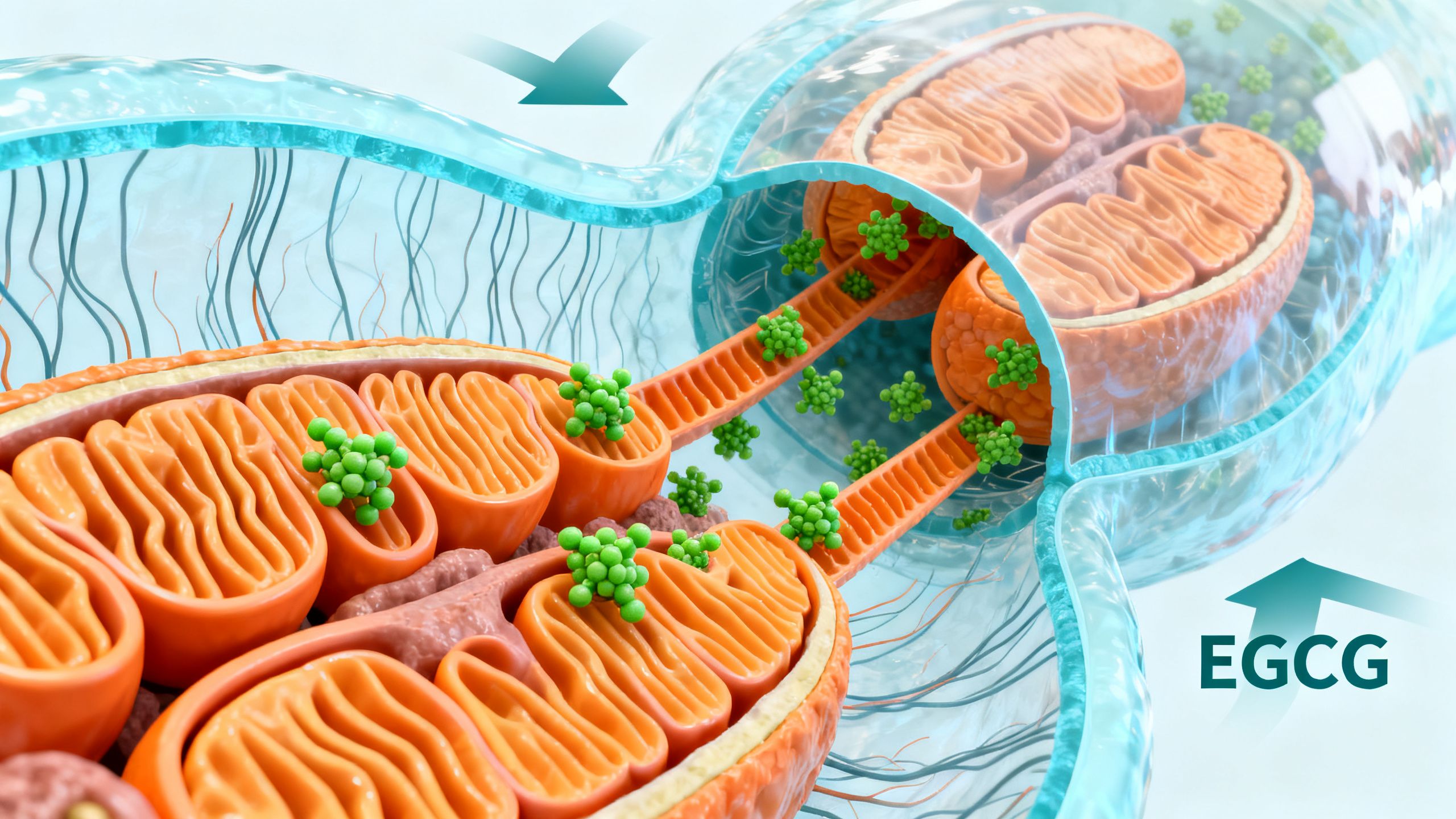
One of the most exciting areas of EGCG mitochondrial function research is its potential to stimulate mitochondrial biogenesis—the creation of new, healthy mitochondria. Preclinical studies suggest EGCG activates a master regulator of this process called PGC-1α. By boosting PGC-1α, EGCG may help cells replenish their mitochondrial pool, improving energy production and overall cellular resilience. This mechanism is thought to underlie some of the benefits seen in muscle performance and metabolic health.
Protecting Mitochondria from Damage
In addition to creating new mitochondria, EGCG helps protect existing ones. Mitochondria are a major source of ROS production, making them highly susceptible to their own oxidative byproducts. Their DNA (mtDNA) is particularly vulnerable to damage as it lacks the protective histone proteins found in nuclear DNA. EGCG’s potent antioxidant capacity allows it to enter the cell and neutralize ROS in close proximity to the mitochondria, shielding them from damage and helping to maintain their integrity and efficiency over time.
Safety, Dosage, and Potential Interactions
While EGCG offers significant potential benefits, it is crucial to approach its use, especially in supplement form, with caution and an understanding of safety.
Recommended Dosage and Bioavailability
Most human clinical trials use EGCG dosages ranging from 300 mg to 1000 mg per day, typically delivered via concentrated green tea extracts. It’s important to note that the bioavailability of EGCG is relatively low, meaning only a small fraction of what is ingested is absorbed into the bloodstream. Its absorption can be influenced by genetics (specifically variations in the COMT enzyme), food intake, and co-administration with other compounds like piperine (from black pepper) or quercetin, which can enhance its uptake.
Safety Profile and Potential Side Effects
Drinking several cups of green tea per day is considered safe for most people. However, high-dose EGCG supplements carry a risk of side effects. The most serious concern is the potential for liver toxicity. There have been rare but documented cases of liver injury associated with high-dose green tea extract supplements, particularly when taken on an empty stomach. Regulatory bodies like the European Food Safety Authority (EFSA) have concluded that EGCG doses above 800 mg/day may pose a health risk. It is critical to consult with a healthcare provider before starting any high-dose EGCG supplement regimen.
Other potential side effects are generally mild and often related to the caffeine content in green tea extracts, including insomnia, anxiety, or gastrointestinal upset.
Drug and Nutrient Interactions
EGCG and green tea can interact with certain medications and nutrients:
- Iron: Catechins can inhibit the absorption of non-heme iron (from plant sources). It’s advisable to consume green tea between meals rather than with them, especially for individuals with low iron status.
- Bortezomib: EGCG may inhibit the action of this proteasome inhibitor drug used in cancer therapy. Patients on this medication should avoid EGCG supplements and green tea.
- Blood Thinners: Green tea contains Vitamin K, which can counteract the effects of anticoagulant drugs like warfarin. Those on such medications should maintain a consistent intake and consult their doctor.
Human Studies on EGCG: A Closer Look
To ground these claims in evidence, here is a summary of several human studies investigating the effects of EGCG.
1. EGCG Content in Different Green Teas (including matcha vs brewed teas)
This peer-reviewed study measured catechin (including EGCG) levels in commercially available green teas, showing that matcha products tend to have among the highest EGCG concentrations compared to other green tea forms.
https://link.springer.com/article/10.1007/s11130-023-01121-2
2. Human Plasma EGCG Pharmacokinetics & Bioavailability
This publication reviews how EGCG is absorbed in humans after green tea intake, including peak plasma levels and how bioavailability is influenced by dosing.
https://pubs.acs.org/doi/abs/10.1021/acs.jafc.4c09205
3. Human Intervention Trial Validating EGCG (Green Tea Polyphenols) Biomarkers
In this phase II human trial, plasma EGCG levels increased dose-dependently after green tea polyphenol supplementation, supporting its relevance in human nutritional studies.
https://pubmed.ncbi.nlm.nih.gov/17888558/
4. EGCG and Metabolic Effects (Systematic Review & Meta-Analysis)
This systematic review/meta-analysis of randomized trials shows that EGCG intake from green tea catechins can influence energy expenditure and metabolic parameters in humans — evidence relevant to exercise, aging, and fat oxidation.
https://pubmed.ncbi.nlm.nih.gov/27883924/
5. Human Study on EGCG’s Effects During Exercise
This randomized study investigated the acute metabolic effects of pure EGCG supplementation (94% pure) on energy usage during graded exercise in humans.
https://link.springer.com/article/10.1007/s00394-023-03092-1
6. EGCG and Skin Protection from UV Exposure (Human Tissue Evidence)
This clinical research found that topical EGCG can protect human skin from oxidative damage from UV radiation, demonstrating biological effect in human tissue (useful to support skin aging / photoaging sections).
https://academic.oup.com/carcin/article/22/2/287/2733761
Conclusion: Integrating EGCG for Health and Longevity
Epigallocatechin gallate is undeniably the star compound in green tea, offering a wealth of potential health benefits grounded in scientific evidence. For those asking what green tea has the most EGCG, the clear answer is matcha, due to the consumption of the entire powdered leaf. However, high-quality brewed green teas like sencha, when prepared correctly with water around 80°C for 3-5 minutes, remain excellent and accessible sources.
The research supporting EGCG’s role in promoting healthy aging, enhancing EGCG muscle health, and improving EGCG mitochondrial function is compelling. Its ability to fight oxidative stress, reduce inflammation, and interact with key cellular pathways like PGC-1α and sirtuins highlights its potential as a tool for healthspan extension. Human studies have confirmed its benefits for skin protection, exercise recovery, and metabolic support.
Ultimately, incorporating EGCG into your routine can be a practical step towards better health. Enjoying daily cups of matcha or well-brewed green tea is a safe and effective approach for most. For those considering high-dose supplements, the potential for benefits must be weighed against the documented safety risks, and a conversation with a knowledgeable healthcare provider is not just recommended—it’s essential.