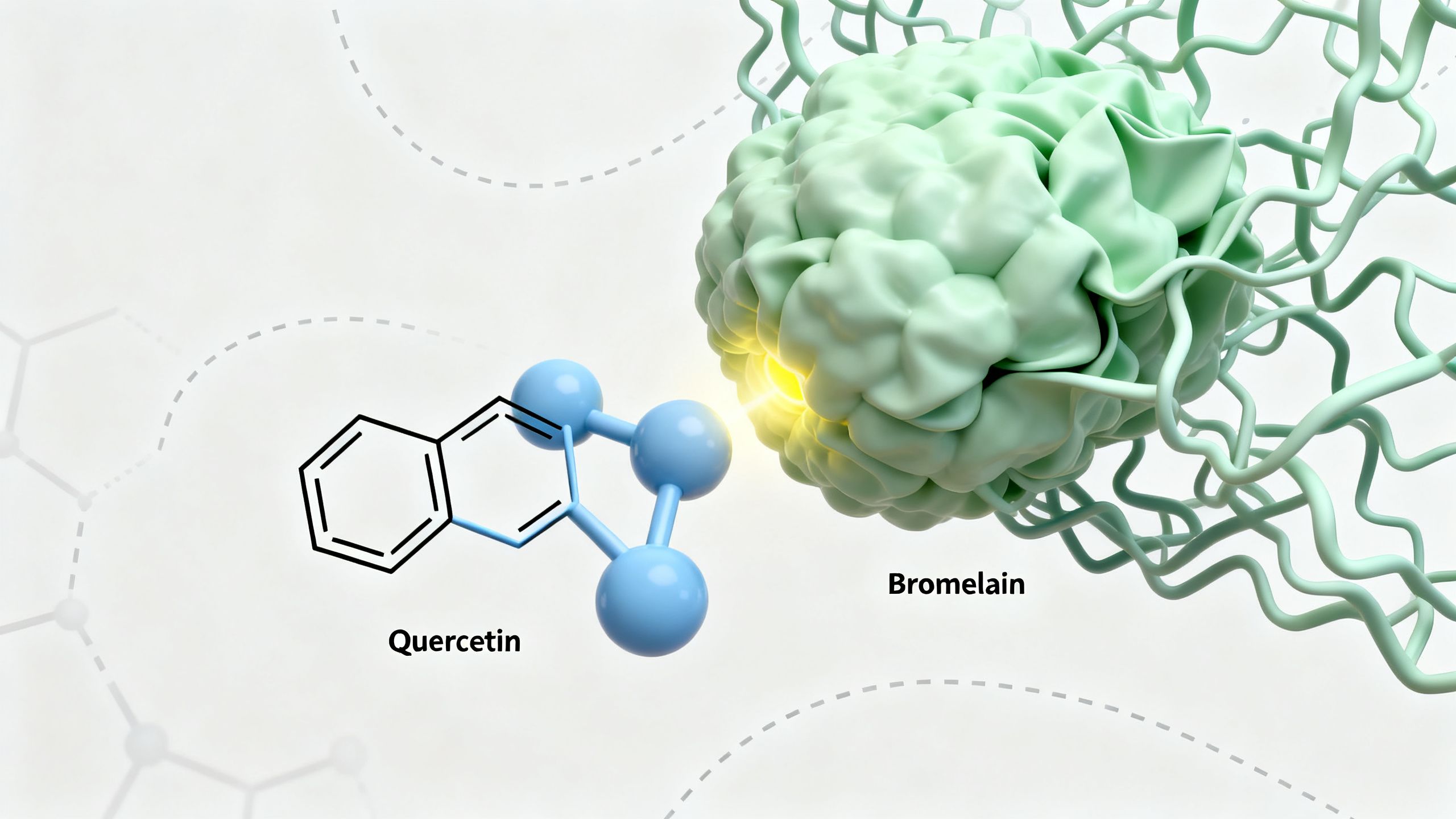

In the world of natural compounds, synergy is a powerful concept where the combination of two substances produces an effect greater than the sum of their individual parts. One of the most compelling examples of this principle is the pairing of quercetin with bromelain. While quercetin is a potent plant flavonoid celebrated for its antioxidant and anti-inflammatory properties, its effectiveness is often hampered by poor absorption in the human body. This is where bromelain, a unique enzyme complex from pineapple, enters the picture.
Bromelain not only offers its own significant health benefits but also acts as a key that unlocks quercetin’s full potential. This article provides an evidence-based exploration of the dynamic partnership between quercetin and bromelain. We will delve into the mechanisms behind their synergy, review the human evidence for their use, and outline the practical considerations for anyone considering this powerful combination for inflammation control, immune support, and overall wellness.

Understanding Quercetin: A Potent Plant Flavonoid
Before examining the combination, it’s essential to understand the properties and limitations of quercetin on its own. It is one of the most abundant and well-researched dietary flavonoids, found in a wide variety of plant-based foods.
What is Quercetin?
Quercetin is a type of flavonoid known as a flavonol, a class of compounds responsible for the vibrant colors in many fruits, vegetables, and flowers. It is a fundamental component of a healthy diet, and higher intake of flavonoids is consistently linked to better health outcomes in population studies.
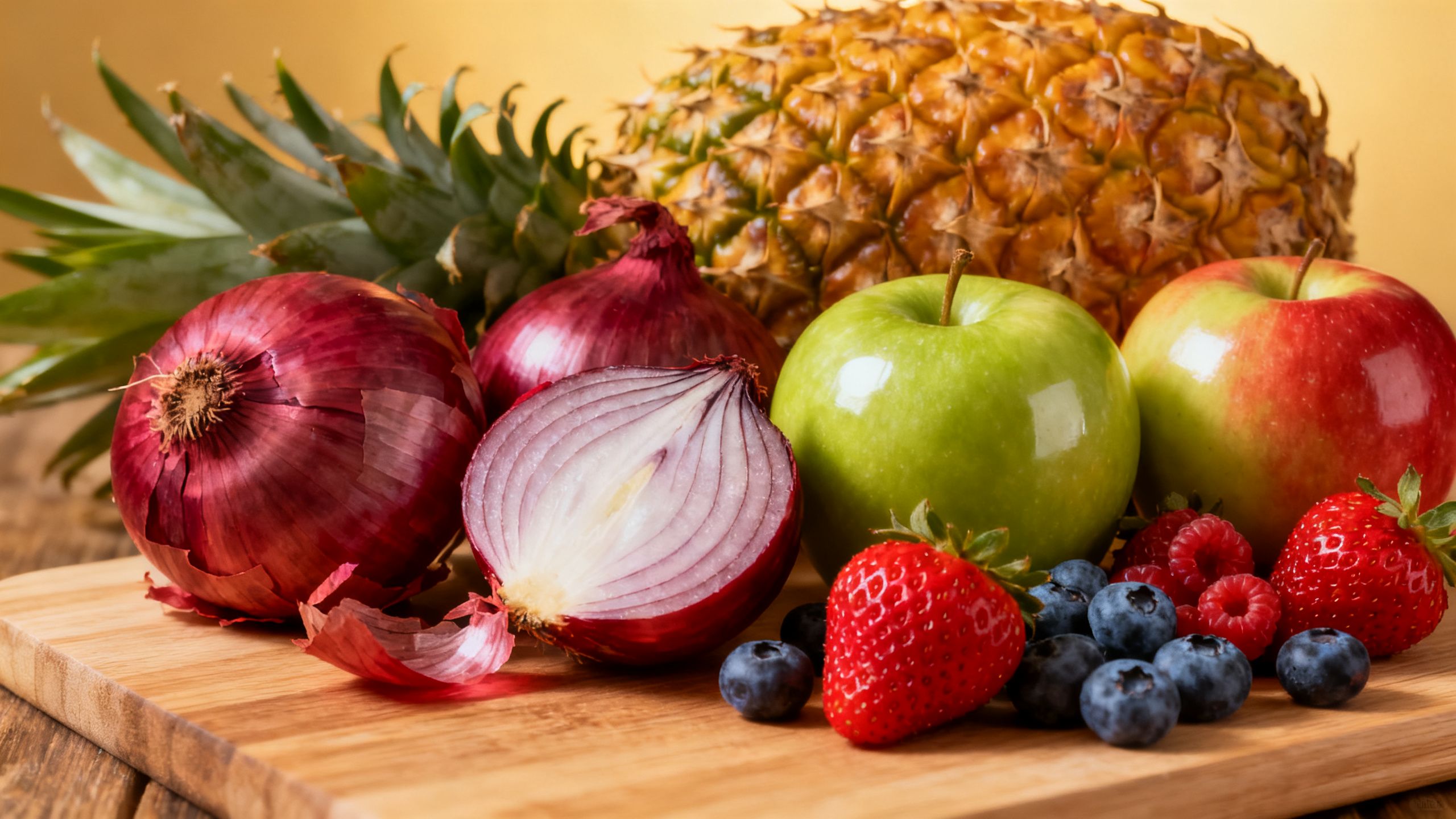
Common dietary sources of quercetin include:
- Onions (especially red onions)
- Apples
- Grapes and red wine
- Berries (blueberries, cranberries)
- Cherries
- Broccoli and kale
- Green and black tea
- Capers
While obtaining quercetin from food is beneficial for general health, achieving a therapeutic dose for specific health concerns through diet alone is challenging, which is why supplementation is common.
The Bioavailability Challenge of Quercetin
The primary obstacle to quercetin’s therapeutic efficacy is its poor bioavailability. When you ingest quercetin, only a small fraction makes it into your bloodstream in its active form. Several factors contribute to this issue:
- Low Water Solubility: Quercetin does not dissolve well in water, making it difficult for the aqueous environment of the small intestine to absorb it effectively.
- Rapid Metabolism: The cells of the intestinal wall and the liver are extremely efficient at metabolizing quercetin. They quickly attach other molecules to it through processes called glucuronidation and sulfation. This conversion changes quercetin into inactive metabolites that are then rapidly excreted from the body.
Because of this extensive “first-pass” metabolism, the concentration of free, active quercetin in the blood remains very low after oral ingestion. This limitation has driven researchers to find ways to enhance its absorption, leading to the strategic pairing with other compounds like bromelain.
Potential Health Benefits of Quercetin (Based on Human Evidence)
Despite its absorption challenges, studies using high-dose or enhanced-bioavailability forms of quercetin have demonstrated several potential health benefits in humans.
- Antioxidant Activity: Quercetin is a powerful antioxidant that can directly neutralize free radicals, unstable molecules that cause oxidative stress and damage cells, proteins, and DNA. This cellular damage is a key driver of aging and many chronic diseases.
- Anti-inflammatory Effects: Quercetin has been shown to inhibit the activity of inflammatory enzymes like cyclooxygenase (COX) and lipoxygenase (LOX). It also helps stabilize mast cells, preventing them from releasing histamine and other inflammatory mediators, which is particularly relevant for allergies.
- Cardiovascular Support: Human trials suggest that quercetin supplementation may help lower blood pressure in hypertensive individuals. It may also improve endothelial function—the health of the lining of blood vessels—which is crucial for cardiovascular health.
- Immune Modulation: Quercetin can influence immune cell function, potentially helping to balance the immune response. Its mast cell-stabilizing properties are a key reason for its use in managing seasonal allergy symptoms.
It is crucial to note that these effects are highly dependent on achieving adequate concentrations in the body, reinforcing the importance of overcoming the bioavailability problem.
Bromelain: More Than Just a Digestive Enzyme
Bromelain is not a single substance but a complex mixture of protein-digesting enzymes, called proteases, extracted primarily from the stem and juice of the pineapple plant (Ananas comosus). While it is known as a digestive aid, its systemic effects throughout the body are far more significant.
What is Bromelain?
Used for centuries in traditional medicine, bromelain was first isolated by scientists in the late 1800s. Its activity is measured in units that describe its ability to digest protein, such as Gelatin Digesting Units (GDU) or Milk Clotting Units (MCU). This enzymatic power is the source of its diverse biological activities.
Unlike many enzymes that are broken down in the digestive tract, a significant portion of bromelain can be absorbed intact into the bloodstream, allowing it to exert systemic effects far beyond the gut.
Mechanisms of Action
Bromelain’s benefits stem from several distinct mechanisms:
- Proteolytic Activity: Its primary function is to break down proteins. This is useful for digestion but also helps break down protein-based debris in tissues after injury, potentially speeding up recovery.
- Anti-inflammatory Effects: Bromelain modulates key inflammatory pathways. It appears to reduce the production of pro-inflammatory prostaglandins and cytokines while promoting the production of anti-inflammatory ones. It also interferes with bradykinin, a compound that increases pain and fluid leakage from blood vessels during inflammation.
- Fibrinolytic Activity: Bromelain can break down fibrin, a protein involved in blood clotting. By promoting the breakdown of excessive fibrin, it may help improve circulation and reduce swelling (edema).
Established Uses of Bromelain in Humans
Human clinical trials have validated the use of bromelain for several conditions, primarily related to inflammation and swelling.
- Osteoarthritis: Multiple studies have shown that bromelain can reduce pain and stiffness in individuals with knee osteoarthritis, with some research suggesting its efficacy is comparable to certain non-steroidal anti-inflammatory drugs (NSAIDs).
- Post-Surgical and Post-Injury Swelling: Bromelain is widely used to reduce pain, swelling, and bruising after surgery (especially dental and plastic surgery) and athletic injuries.
- Sinusitis: Due to its mucolytic (mucus-thinning) and anti-inflammatory properties, bromelain has been shown to reduce nasal inflammation and improve breathing in individuals with acute sinusitis.
The Synergy of Quercetin with Bromelain: A Powerful Partnership
The combination of quercetin with bromelain is a classic example of formulation synergy, where one compound directly enhances the action of the other, and their mechanisms of action complement each other for a greater overall effect.
How Bromelain Enhances Quercetin Bromelain Absorption
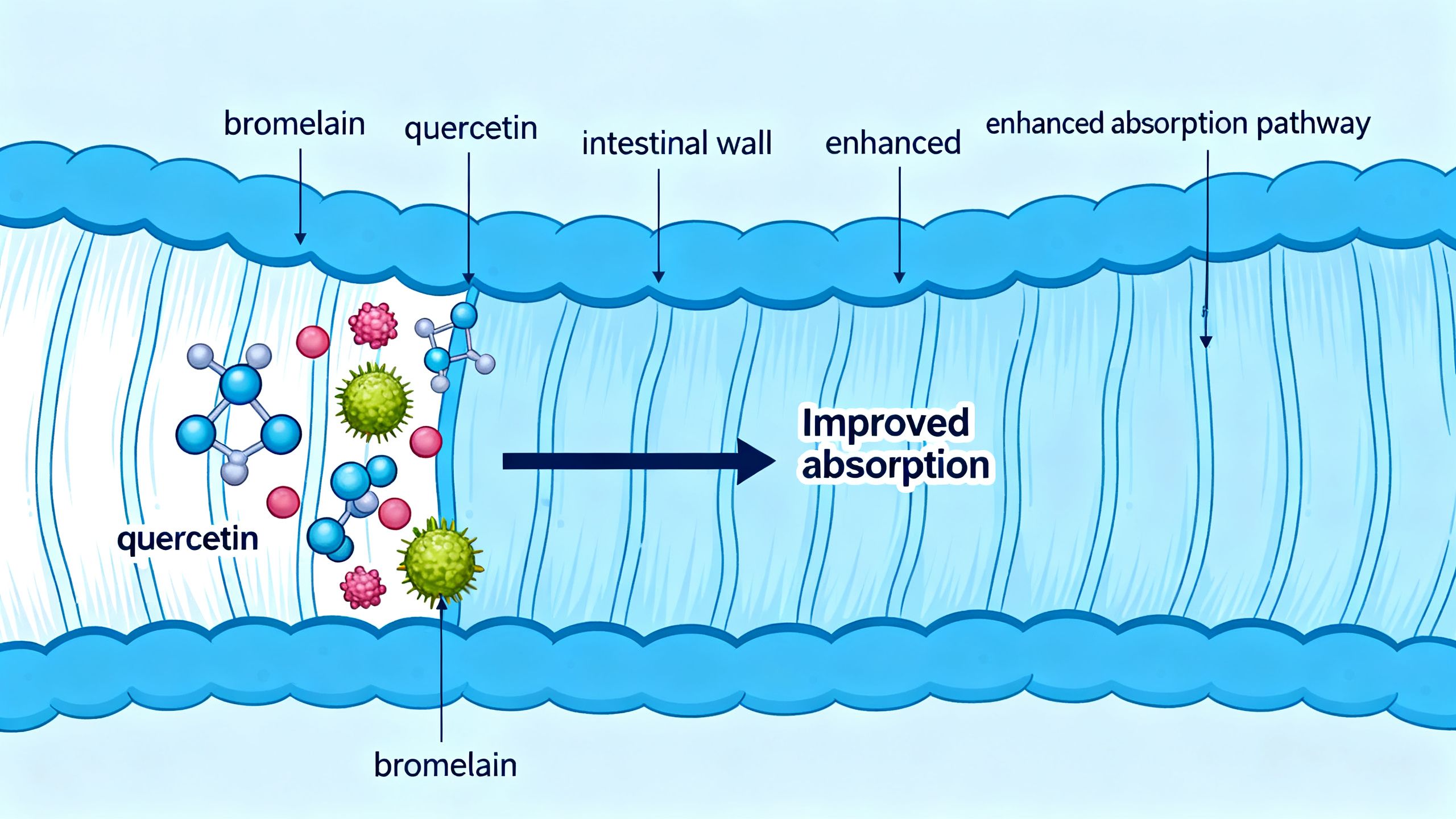
The most critical aspect of this partnership is the proposed enhancement of quercetin bromelain absorption. The leading theory centers on bromelain’s proteolytic effects within the small intestine. It is hypothesized that bromelain acts in two ways:
- Temporary Increase in Intestinal Permeability: By digesting proteins in the mucus layer and the tight junctions between intestinal cells, bromelain may temporarily open up pathways, allowing more quercetin molecules to pass through the intestinal wall into the bloodstream before they can be metabolized.
- Inhibition of Metabolic Enzymes: Bromelain’s proteolytic action might also degrade some of the enzymes in the gut responsible for the rapid breakdown of quercetin.
While direct human pharmacokinetic studies definitively proving this mechanism are limited, the concept is well-supported by our understanding of both compounds’ properties. This enhanced absorption means that more active, free quercetin reaches the bloodstream and tissues, where it can exert its antioxidant and anti-inflammatory effects.
Complementary Anti-Inflammatory Actions
Beyond absorption, the bromelain quercetin synergy is powerfully demonstrated in their complementary approaches to fighting inflammation. They target different but overlapping aspects of the inflammatory cascade, creating a multi-pronged attack.
- Quercetin’s Role: Primarily works inside cells to inhibit the production of inflammatory mediators. It acts on enzymes like COX and LOX and stabilizes mast cells to prevent histamine release.
- Bromelain’s Role: Primarily works outside cells in the tissue environment. It modulates inflammatory signaling molecules (cytokines), reduces the pain-inducing compound bradykinin, and helps clear cellular debris and excess fluid (edema).
This dual action makes the combination of quercetin and bromelain for inflammation particularly effective. Quercetin reduces the production of inflammatory signals at the source, while bromelain cleans up the existing inflammation and reduces its symptoms, like pain and swelling.
Other Potential Synergistic Benefits
The partnership extends to other areas of health as well:
- Immune Support & Allergies: This is a prime use case. Quercetin’s mast cell stabilization reduces histamine release, tackling the root cause of allergy symptoms. Bromelain’s anti-inflammatory and mucolytic properties help reduce sinus congestion and inflammation, providing symptomatic relief. Together, they offer a comprehensive approach to seasonal allergies.
- Cardiovascular Health: Quercetin’s documented ability to lower blood pressure and improve endothelial function is complemented by bromelain’s potential fibrinolytic activity, which may support healthy blood flow and circulation.
Practical Considerations: Dosage, Safety, and Interactions
When considering supplementation with quercetin with bromelain, it’s vital to understand proper dosing, potential side effects, and interactions with medications.
Quercetin Bromelain Dosage Guidelines
Dosages in commercial supplements and clinical studies can vary. There is no single standardized dose, but common ranges provide a useful guideline.
- Quercetin: Typical doses range from 500 mg to 1,000 mg per day, often taken in two or three divided doses.
- Bromelain: The dosage is based on its activity level (GDU or MCU), not just its weight. Effective doses generally range from 500 to 2,000 GDU per day. A dose of 100 mg of high-potency bromelain (e.g., 2,400 GDU/gram) provides 240 GDU.
Combination products often provide a ratio that reflects these ranges, for example, 500 mg of quercetin paired with 100-250 mg of bromelain. For best absorption and to minimize potential stomach upset, it’s often recommended to take the supplement 20 minutes before a meal.
Crucially, you should always consult a qualified healthcare professional before starting any new supplement regimen to determine the appropriate quercetin bromelain dosage and ensure it is safe for you.
Safety Profile and Potential Side Effects
Both compounds are generally considered safe and well-tolerated by most people when taken at recommended doses.
- Quercetin: Side effects are rare but can include mild headaches and stomach upset at higher doses. Extremely high intravenous doses have been linked to kidney issues, but this is not a concern with standard oral supplementation.
- Bromelain: Can sometimes cause mild gastrointestinal distress, such as nausea or diarrhea. Individuals with a known allergy to pineapple, latex, wheat, celery, carrot, fennel, or cypress pollen should avoid bromelain due to potential cross-reactivity.
Drug and Supplement Interactions
This is a critical area of concern, and medical supervision is essential if you are taking any medications.
Quercetin Interactions:
- Antibiotics: Quercetin may interfere with the action of some quinolone antibiotics.
- Blood Pressure Medications: It may have an additive effect, potentially lowering blood pressure too much.
- Drug Metabolism: Quercetin can inhibit certain cytochrome P450 (CYP450) enzymes in the liver, which are responsible for metabolizing a vast number of common medications. This could potentially increase the levels and side effects of drugs like certain statins, calcium channel blockers, and immunosuppressants.
Bromelain Interactions:
- Anticoagulants and Antiplatelet Drugs: This is the most significant interaction. Because of its fibrinolytic and antiplatelet effects, bromelain can increase the risk of bleeding when taken with blood thinners like warfarin (Coumadin), clopidogrel (Plavix), aspirin, and other NSAIDs. This combination should be avoided unless explicitly approved and monitored by a doctor.
- Antibiotics: Bromelain may increase the absorption of certain antibiotics, including amoxicillin and tetracycline, potentially enhancing both their effects and side effects.
Who Might Benefit from Quercetin with Bromelain?
Based on the available evidence and mechanisms of action, certain individuals may be more likely to benefit from this combination.
- Individuals with Osteoarthritis: The dual anti-inflammatory and pain-relieving properties make it a popular choice for managing joint pain and stiffness.
- People with Seasonal Allergies: The combination of mast cell stabilization from quercetin and the decongestant effects of bromelain can be effective for managing symptoms like runny nose, itchy eyes, and sinus pressure.
- Athletes and Active Individuals: The supplement may help manage exercise-induced inflammation and support faster recovery from soft tissue injuries.
- Those with Chronic Inflammatory Conditions: People dealing with systemic inflammation, such as in certain autoimmune conditions or chronic prostatitis, have used this combination, though this should always be done under medical guidance.
It is essential to understand that quercetin with bromelain is a dietary supplement, not a treatment or cure for any disease. It should be used as a supportive measure alongside conventional medical care.

Studies / References
Below are summaries of human clinical studies on quercetin and bromelain individually, which provide the foundational evidence for their combined use.
- Quercetin and Blood Pressure — Meta-Analysis of Controlled Trials
Quercetin supplementation was shown to significantly reduce both systolic and diastolic blood pressure in human randomized trials, especially at doses ≥500 mg/day. Quercetin supplementation and blood pressure meta‑analysis (PMC) - Quercetin Reduces Blood Pressure and Oxidized LDL in Humans
In a double-blind, placebo-controlled crossover study, quercetin significantly reduced systolic blood pressure and oxidised LDL in overweight adults with cardiometabolic risk. Effects of quercetin supplementation on blood pressure and oxidized LDL (Cambridge J Nutr) - Review of Bromelain Clinical Studies
Bromelain has shown anti-inflammatory and analgesic effects in clinical settings such as osteoarthritis, though evidence varies by preparation and dose. Bromelain clinical evidence review (Evid Based Complement Alternat Med) - Bromelain Human Evidence Across Conditions
Multiple clinical trials have reported bromelain’s potential effects on inflammation, swelling, pain, and postoperative recovery in humans. Exploring the therapeutic potential of bromelain (PMC review)
Conclusion
The combination of quercetin with bromelain represents a sophisticated, nature-inspired strategy for health support. Quercetin stands out as a flavonoid with immense potential for antioxidant defense and inflammation control, yet its practical use is hindered by poor bioavailability. Bromelain, a powerful anti-inflammatory agent in its own right, serves as the ideal partner, appearing to enhance quercetin’s absorption while contributing its own complementary mechanisms for reducing pain, swelling, and inflammation.
This synergistic duo offers a multi-faceted approach for individuals seeking support for joint health, seasonal allergies, and general inflammatory balance. However, its power demands respect. The potential for significant drug interactions, particularly with blood thinners, means that medical consultation is not just recommended—it is essential. By working with a healthcare provider, you can determine if the powerful benefits of quercetin with bromelain align with your personal health needs and goals, ensuring a safe and effective addition to your wellness strategy.