
The search for longevity-promoting interventions is a defining pursuit in the science of aging. Among investigational compounds, Epitalon has attracted significant attention for its proposed role in extending lifespan and combating cellular senescence. As scientific understanding of aging processes advances, the potential of peptide-based therapies to modulate biological aging grows ever more compelling. This article provides a clear, in-depth review, covering human evidence, biological mechanisms, clinical safety, and where it stands in anti-aging therapy research.
What Is Epitalon? The Basics
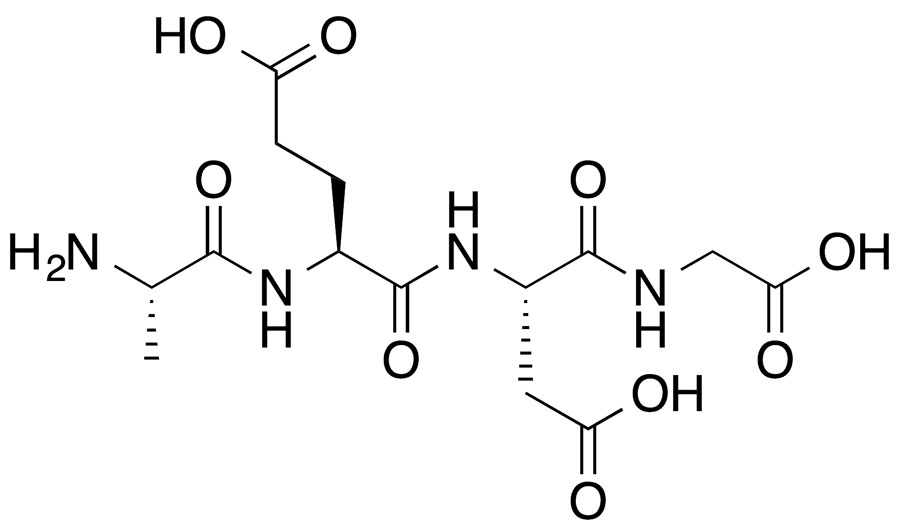
Epitalon is a synthetic peptide, a short-chain of four amino acids, originally developed from a natural pineal gland extract (epithalamin). Research began in the 1990s, spearheaded by Russian scientist Vladimir Khavinson and colleagues, with the goal of developing interventions that target aging at the cellular and molecular level.
- It is a tetrapeptide: Ala-Glu-Asp-Gly
- Designed to mimic natural regulatory peptides found in the human pineal gland
- Studied for effects on telomere length, cellular longevity, and age-related biomarkers
How Does Epitalon Work? Biological Mechanisms Linking Aging and Senescence
Epitalon is hypothesized to act through several plausible mechanisms that may impact aging and senescence:
1. Telomerase Activation and Telomere Maintenance
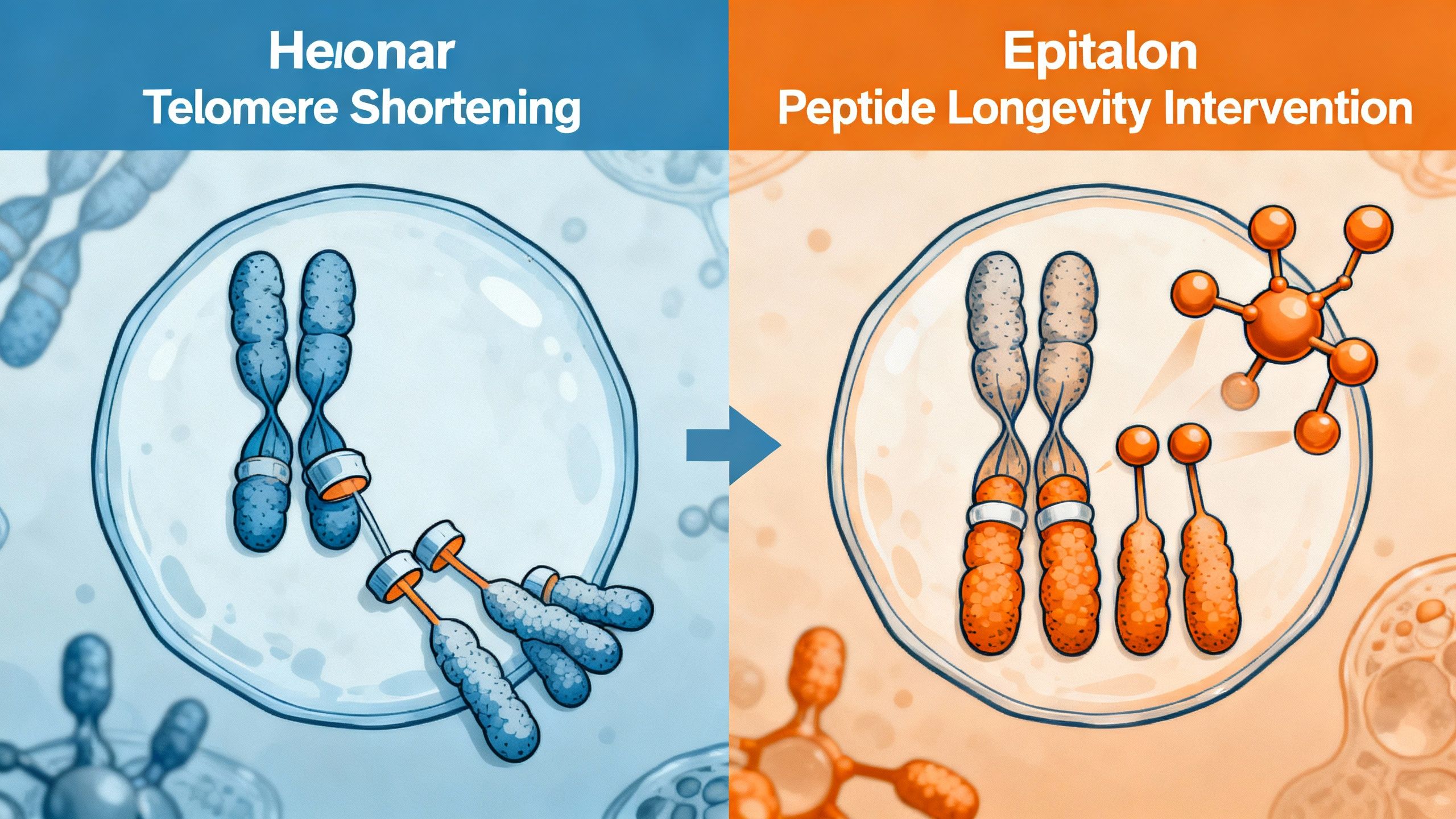
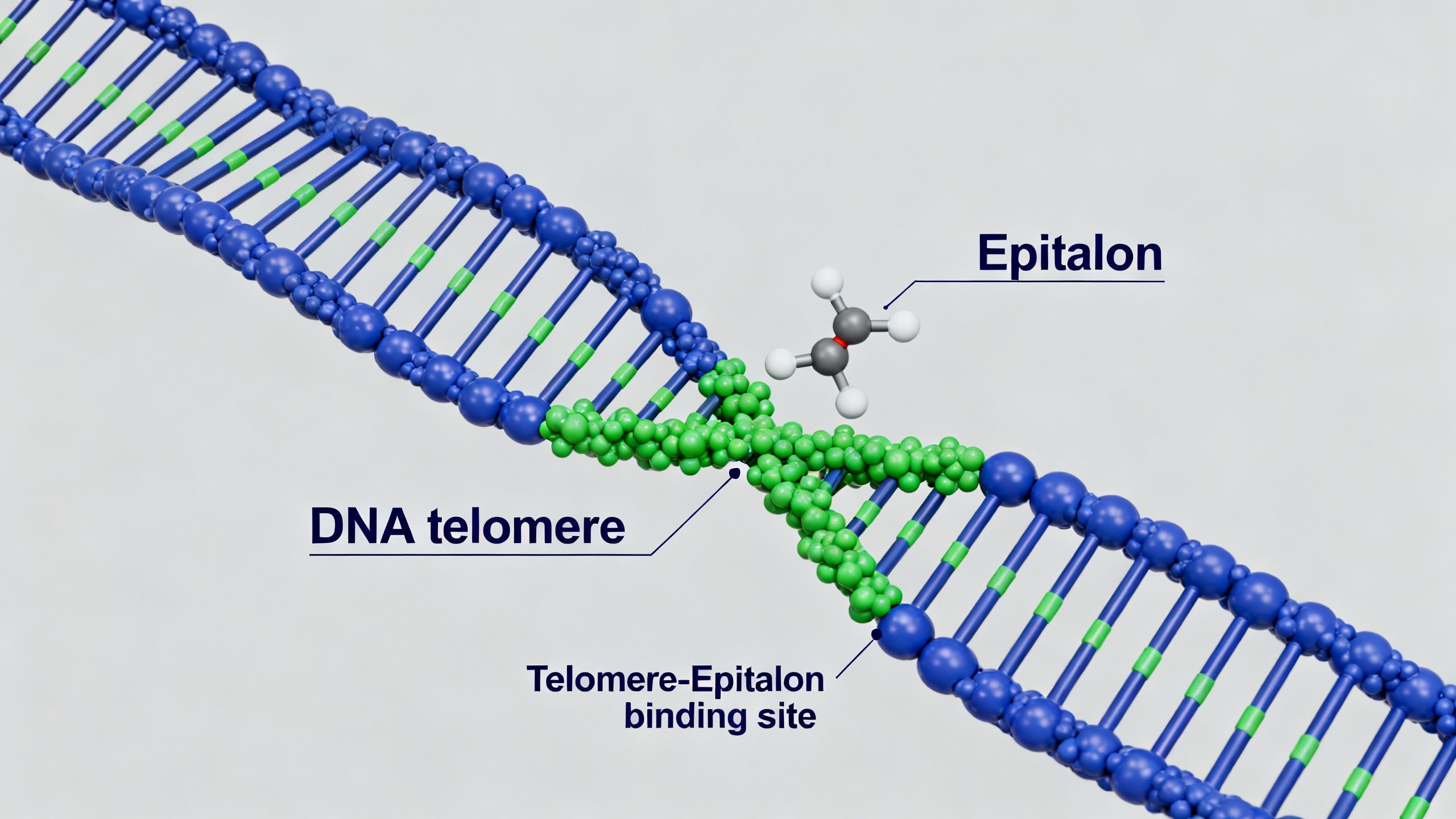
- Telomeres are DNA-protein complexes that cap chromosome ends, protecting genetic material
- With each cell division, telomeres shorten; when critically short, cells enter senescence (irreversible growth arrest)
- It has been shown in some human cell studies to increase telomerase activity, an enzyme that rebuilds telomeres, potentially supporting extended cellular lifespan
2. Pineal Gland Regulation and Circadian Biology
- The pineal gland is central to regulating sleep-wake cycles through melatonin production
- Aging is associated with reduced melatonin, impairments in circadian rhythm, and downstream effects on longevity
- Epitalon’s parent peptide (epithalamin) has been shown to enhance melatonin synthesis in older humans
3. Modulation of Cellular Senescence Pathways
- By supporting telomere integrity and regulating apoptosis (programmed cell death), it may reduce the accumulation of senescent cells, which contribute to aging and age-related diseases
- Cellular senescence is now recognized as a core hallmark of aging
4. Antioxidant and Immune-Modulatory Effects
- Animal and limited human data suggest Epitalon may influence antioxidant enzyme activity (such as superoxide dismutase), reducing oxidative stress, a contributor to aging processes
- There is some early evidence for beneficial immune system modulation in the elderly
Human Evidence: What Clinical Studies Reveal About Epitalon
Despite highly promising mechanistic data, direct human evidence for Epitalon’s anti-aging effects remains limited and primarily derives from Russian clinical trials and observational cohorts. The following sections summarize key findings, limitations, and context.
Human Studies: Outcomes and Limitations
Telomere Length and Older Adults
- Several small-scale trials involving elderly participants (typically 60-80 years) report maintenance or elongation of peripheral blood leukocyte telomeres after Epitalon administration for a period of 2–3 years.
- These studies frequently used subcutaneous Epitalon injections, with reported improvements in certain functional aging indices (e.g., sleep, physical performance).
- Main limitation: Most data are not published in major Western journals, sample sizes are small, and methods are sometimes opaque.
Immune Function and Morbidity
- Select studies suggest improved immune markers (increased activity or counts of T-helper and NK cells), as well as a reported reduction in acute respiratory infection frequency among treated older adults.
- Some longitudinal data show reduced all-cause mortality over 6–12 years for Epitalon-treated elderly cohorts compared to controls.
- Caution: These results need rigorous validation in independent, larger-scale, double-blind trials.
Neuroendocrine and Metabolic Effects
- Epitalon’s influence on pineal gland function has been correlated with higher night-time melatonin and normalization of circadian hormone patterns in elderly volunteers.
- Occasional reports describe subjective improvements in mood and cognitive function, but evidence remains anecdotal or based on scales prone to bias.
Summary of Reported Human Benefits
| Domain | Reported Benefits | Study Type/Duration |
|---|---|---|
| Telomere Length | Reduced shortening, some elongation | 2–3 years, observational |
| Immune Function | Improved markers, fewer infections | 6–24 months, controlled |
| Mortality Rate | Lower all-cause mortality | Up to 12 years, open-label |
| Sleep Quality | Improved sleep latency & duration | 1–6 months, case studies |
| Circadian Rhythm | Normalized melatonin secretion | 3–12 months, various |
Important Caveat: While findings gesture toward a putative anti-aging effect, the risk of publication bias, incomplete reporting, and methodological concerns in the existing literature is high. There are currently no large, high-quality, placebo-controlled randomized trials of Epitalon in Western populations.
Safety and Side Effects: What Do We Know?
Reported Human Safety Data
- Available human trial data and open-label studies report minimal acute side effects with Epitalon injections (0.1–10 mg daily), even over repeated courses spanning several years
- No serious adverse events directly attributed to Epitalon have been published to date
- Rare, mild reactions include transient injection site irritation and mild sleep changes
Potential Long-Term or Theoretical Risks
- Since telomerase activation is associated with cellular immortality, including in some cancer types, concerns about cancer risk arise theoretically (but no clinical link is established in published human data)
- The long-term impact of sustained senescence suppression and altered circadian biology is unknown, especially in younger or healthy populations
- Self-experimentation or use outside supervised protocols is not recommended, as safety in general or for those with preexisting conditions remains unclear
Bottom Line: While preliminary results support a favorable short-term safety profile, the full risk spectrum—especially regarding potential unintended consequences of anti-aging therapy—remains to be determined.
Epitalon in the Context of Anti-Aging Therapy: Promise vs. Proof
How Does it Compare to Other Peptide or Longevity Interventions?
- Peptide longevity research encompasses compounds such as FOXO4-DRI, GHK-Cu, and more, but few have as much human data as Epitalon—though all are limited
- Compared to non-peptide anti-aging therapies (e.g., metformin, rapamycin, lifestyle optimization), Epitalon is much less studied and not currently included in major clinical guidelines
Individual Variability and Treatment Considerations
- The efficacy of Epitalon and other senotherapeutics may be highly individual, depending on age, health status, and genetic background
- Most research is in older, often institutionalized or frail adults
- There is no evidence to support use in healthy adults or for life extension in the absence of clinical need
Practical Application and Legal Status
- Epitalon is not FDA-approved or licensed as a medicine outside very limited (mostly Russian or Eastern European) clinical use
- Pure Epitalon is sometimes available as a research chemical, but the quality, dosage, and safety are not guaranteed
- Researchers and clinicians caution against unsupervised or recreational use
Current Limitations and Directions for Future Research
1. Need for Large, Controlled Human Trials
Despite decades of experimental interest, Epitalon research remains limited by the absence of large, randomized, placebo-controlled human clinical trials conducted under contemporary regulatory standards. Most human data originate from small cohorts, observational studies, or early-stage investigations, many of which predate current clinical trial registration and reporting norms.
Future research should prioritize:
- Randomized controlled trials (RCTs) with clearly defined endpoints such as biological aging markers, functional outcomes, and safety parameters
- Transparent study registration, standardized outcome reporting, and independent replication
- Inclusion of diverse populations to assess age-, sex-, and ethnicity-specific responses
Without rigorous human trials, conclusions regarding Epitalon’s clinical efficacy remain preliminary rather than definitive.
2. Investigating Cancer and Long-Term Risks
One of the most critical unanswered questions surrounding Epitalon involves its long-term safety profile, particularly in relation to cancer risk. Because Epitalon has been shown to influence telomerase activity and telomere dynamics, there is theoretical concern that prolonged or inappropriate activation could support the survival of pre-malignant or malignant cells.
Key areas for future investigation include:
- Long-term oncogenic risk associated with telomerase modulation
- Effects on genomic stability, DNA repair pathways, and cellular senescence escape
- Safety in populations with increased cancer susceptibility or existing neoplastic conditions
Clarifying these risks is essential before Epitalon can be responsibly evaluated for broader human use.
3. Optimizing Dosing, Duration, and Target Populations
Currently, there is no consensus on optimal dosing regimens, treatment duration, or appropriate candidate populations for Epitalon use. Existing studies employ widely varying doses, administration schedules, and treatment lengths, making cross-study comparison difficult.
Future research should focus on:
- Dose-response relationships to identify minimum effective and maximum safe exposure
- Short-term versus intermittent or cyclic administration strategies
- Identification of populations most likely to benefit, such as older adults with measurable biological aging markers, while excluding groups at elevated risk
Establishing standardized protocols will be essential for translating Epitalon research from experimental settings into clinically meaningful investigation.

Frequently Asked Questions: Epitalon for Aging and Longevity
Does it Really Slow Human Aging?
- Data suggest possible benefits in elderly, frail, or immune-compromised populations, especially in functional health and immune markers
- There is no robust evidence that Epitalon enhances longevity or prevents aging in the general population
Is it Safe for Long-Term Use?
- Reported short-term safety is encouraging, but no long-term Western trials exist
- Theoretical cancer risks require ongoing monitoring
How Is itAdministered?
- In studies: most often subcutaneous injections; oral bioavailability and efficacy unclear
- Not a mainstream approved therapy; dosing should never be improvised
Can Younger or Healthy Individuals Benefit?
- No evidence supports use in younger, healthy people for prevention or life extension
- All interventions targeting senescence must balance potential benefits against real and hypothetical risks
Linking Epitalon to Broader Cellular Senescence Research
The anti-aging effects ascribed to Epitalon align with growing knowledge about cellular senescence and its role in aging. Senolytic and senostatic therapies are increasingly studied for their ability to, respectively, remove or suppress senescent cells in tissues.
Conclusion: Epitalon—A Cautious Look at Peptide Longevity and Senescence Therapy
Epitalon sits at an intersection of bold promise and necessary skepticism in peptide longevity research. Mechanistic data, small studies in older adults, and favorable short-term safety are encouraging. However, the lack of robust, independently replicated, and large-scale human trials means clinical use for anti-aging or disease prevention is not recommended outside of research settings. The coming years will determine whether it emerges as a validated tool in healthy aging or a cautionary tale about hype and premature adoption.
Key Takeaways:
- Epitalon may support telomere maintenance, circadian balance, and immune function in elderly adults, but…
- Evidence is based on limited-scale, mostly non-Western data with methodological concerns
- No effect on aging or health is established for healthy, younger adults
- Safety profile appears good in short-term usage, but long-term risks—especially cancer—require ongoing research
- For those interested in peptide longevity or anti-aging therapy, stay updated on emerging evidence before considering any intervention
Studies / References
- Khavinson VK, Bondarev IE, Butyugov AA. Epithalon peptide induces telomerase activity and telomere elongation in human somatic cells. Bull Exp Biol Med. 2003 Jun;135(6):590–592. PMID:12937682.
https://pubmed.ncbi.nlm.nih.gov/12937682/ - Al-Dulaimi S, Thomas R, Matta S, Roberts T. Epitalon increases telomere length in human cell lines through telomerase upregulation or ALT activity. Biogerontology. 2025.
https://pubmed.ncbi.nlm.nih.gov/40908429/ - Araj SK, et al. Overview of Epitalon — Highly Bioactive Pineal Tetrapeptide with Promising Properties. Int J Mol Sci. 2025.
https://www.mdpi.com/1422-0067/26/6/2691 - Epitalon. Wikipedia.
https://en.wikipedia.org/wiki/Epitalon - Are there human trials using Epitalon (Epithalamin)? DrOracle.ai — review of clinical evidence and limitations.
https://www.droracle.ai/articles/557929/are-there-human-trials-using-epitalon-epithalamin
Epitalon continues to spark scientific debate and hope in the quest to slow human aging. Further research will clarify whether its promise can truly be realized for human health and longevity.